


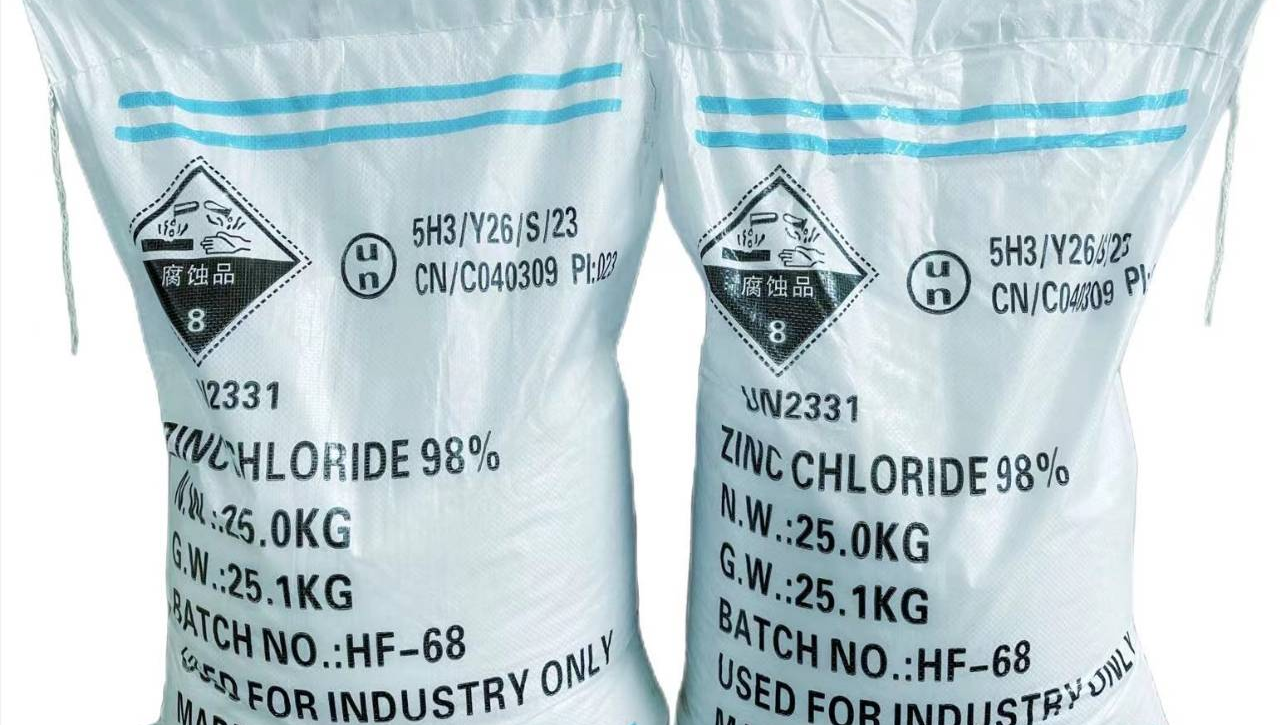
If you’re importing zinc chloride into the EU, REACH registration is one of the key compliance requirements to understand before you commit to a supplier. It depends on the substance, your role in the supply chain, and the tonnage involved — but for zinc chloride specifically, it’s a real and relevant requirement, and getting the documentation wrong can genuinely slow a shipment down. This guide covers what REACH registration actually means for zinc chloride, how to verify a supplier’s claim, what it doesn’t cover, and what to check before you commit to a bulk order.

Zinc chloride (CAS 7646-85-7) falls under REACH registration requirements for companies placing it on the EU market above the applicable tonnage threshold.
What REACH Registration Means for Zinc Chloride
REACH (Registration, Evaluation, Authorisation and Restriction of Chemicals) is the EU regulation requiring manufacturers and importers to register the substances they place on the EU market with the European Chemicals Agency (ECHA). Zinc chloride is registered under CAS Number 7646-85-7, EC Number 231-592-0, with a public registration dossier available through ECHA, and is separately classified for transport under UN Number 2331 (Class 8, corrosive) — a distinct requirement from REACH itself.
A completed REACH registration means a company has submitted a dossier to ECHA covering the substance’s hazard classification, safe-use information, and tonnage band, and received a registration number as confirmation. That said, finding a valid-looking number isn’t the end of the verification — see the section below on what the number does and doesn’t prove. For a fuller regulatory overview, ECHA’s own explanation of REACH covers the framework in more detail than we will here.
Why This Matters for EU Buyers Specifically
Depending on your import structure, REACH responsibility can sit with you as the importer, with your supplier, or with an Only Representative appointed by a non-EEA manufacturer to fulfil importer-side obligations on behalf of multiple EU customers. Buying from a supplier that has already addressed REACH registration for zinc chloride removes a step from your side, but it’s still worth confirming which arrangement actually applies to your specific transaction, rather than assuming.
Decision-Maker Insight: REACH documentation gaps are a real source of shipment delays at EU ports of entry. Verifying registration status upfront can reduce the risk of costly documentation delays — it’s not a guarantee against every possible hold-up, but it removes one of the more common and avoidable ones. Our success stories include buyers who built this check into their process from the first order.
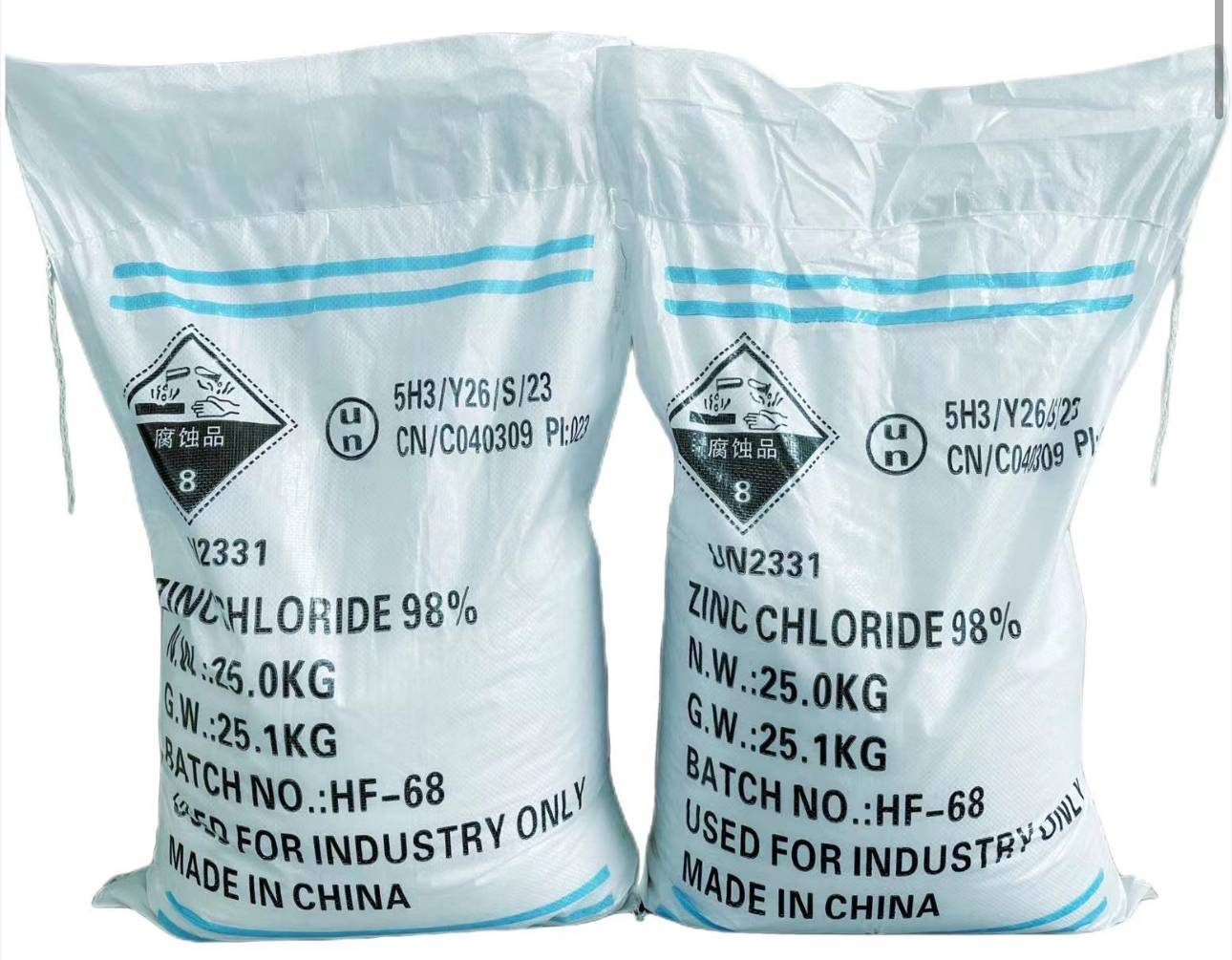
UN 2331, Class 8 packaging classification and REACH registration are separate regulatory requirements — both are relevant to zinc chloride shipments into the EU.
How to Verify a Supplier’s REACH Claim
Don’t take “REACH compliant” at face value, and don’t treat a registration number alone as sufficient proof. Before ordering:
- Ask for the actual registration number, not just a statement that the product “is REACH registered.”
- Cross-check the number against ECHA’s public registration data, which lists the registrant’s name, substance, and registered tonnage band.
- Confirm the registration actually matches your transaction — the substance (zinc chloride, CAS 7646-85-7 specifically, not a related zinc compound), the registrant or Only Representative named, and whether your order volume falls within their documented tonnage/use coverage.
- Request the Safety Data Sheet (SDS) alongside the registration confirmation, since REACH also drives SDS content requirements.
Confirming regulatory registration and quality documentation for the specific product — not just a general claim on a company’s homepage — applies the same way to REACH as it does to ISO 9001 or an SGS test report. This matters most for first-time buyers sourcing from China, who often have no prior relationship to fall back on if documentation turns out to be incomplete.
A REACH claim is only as good as the documentation behind it — ask for the registration number and check it against ECHA’s own records.
Technical Note: REACH registration is tonnage-banded — a company registered for a 1–10 ton/year band has different obligations than one registered for 1,000+ tons/year. If your order volume sits well above what a supplier’s registered band would typically cover, ask directly how their registration or Only Representative arrangement accounts for your order size.
Have Questions About REACH Documentation?
WhatsApp Us for Free a Consultation
What REACH Registration Doesn’t Cover
REACH addresses one part of placing a substance on the EU market — it isn’t a complete legal conclusion on its own, and it isn’t a stand-in for quality verification. Two things worth separating out:
- Grade selection is a separate question. 95% industrial grade and 98% high-purity grade serve different downstream uses, and the full parameter table is the reference point for confirming which one matches your process, independent of REACH status.
- REACH doesn’t verify batch quality. A REACH-registered supplier can still ship an inconsistent batch. Pair REACH verification with a batch-specific Certificate of Analysis and a pre-bulk sample, the same due-diligence approach you’d use comparing zinc chloride against any adjacent chemical before committing.

A batch-specific sample test confirms quality — REACH registration addresses legal market access, not batch consistency.
Why Some Buyers Diversify Beyond a Single Region
REACH compliance isn’t unique to any one production base — suppliers using zinc chloride in galvanizing and other industrial applications across regions face the same documentation requirement when selling into the EU. Buyers researching this topic are often comparing whether to stay with an existing supplier or diversify, and REACH status is one of the first things worth checking either way.
WhatsApp Us for Free a Consultation
See a China-Based Zinc Chloride Facility in Action
This short video shows what a real production and export process looks like on the ground.
FAQ
Is zinc chloride subject to REACH registration?
Yes, for companies manufacturing or importing it into the EU above the applicable tonnage threshold. Zinc chloride is identified under CAS 7646-85-7, EC 231-592-0, with a public registration dossier available through ECHA.
How do I verify a REACH registration number is real?
Cross-check it against ECHA’s public registration database, which lists the registrant, substance, and registered tonnage band — and confirm the substance, registrant, and coverage actually match your specific transaction.
Does REACH registration replace the need for other quality documentation?
No. REACH is a regulatory registration requirement, separate from ISO 9001 (a management-system certification), an SGS test report (inspection/verification), and a batch-specific Certificate of Analysis (a quality document). Confirm all of them independently rather than treating one as a stand-in for the others.
Who is responsible for REACH compliance — the buyer or the supplier?
It depends on the import structure — responsibility can sit with the importer, the supplier, or an Only Representative appointed to handle importer-side obligations. Confirm this explicitly as part of your sourcing agreement.
What happens if a zinc chloride shipment’s REACH documentation is incomplete?
It can contribute to a shipment being held at the EU port of entry while documentation is resolved — one of several possible causes of customs delay, and a preventable one if verified before the order ships.
Industrial Buyers: Next Steps for Sourcing Bulk Zinc Chloride
What makes our Zinc Chloride Better:
✅ Compliant with EU, UN, ISO Standards – No Legal Headaches
✅ Guaranteed Purity – Stability for your Processing Plant
✅ Batch-Specific COA Provided – Full Transparency per Shipment.