



In the world of metallurgy, achieving a flawless, corrosion-resistant finish on steel is a high-stakes endeavor. Zinc chloride stands as a cornerstone chemical in this process, particularly within the hot-dip galvanizing industry. As a primary component of flux solutions, it ensures that the bond between molten zinc and the steel substrate is both powerful and permanent.
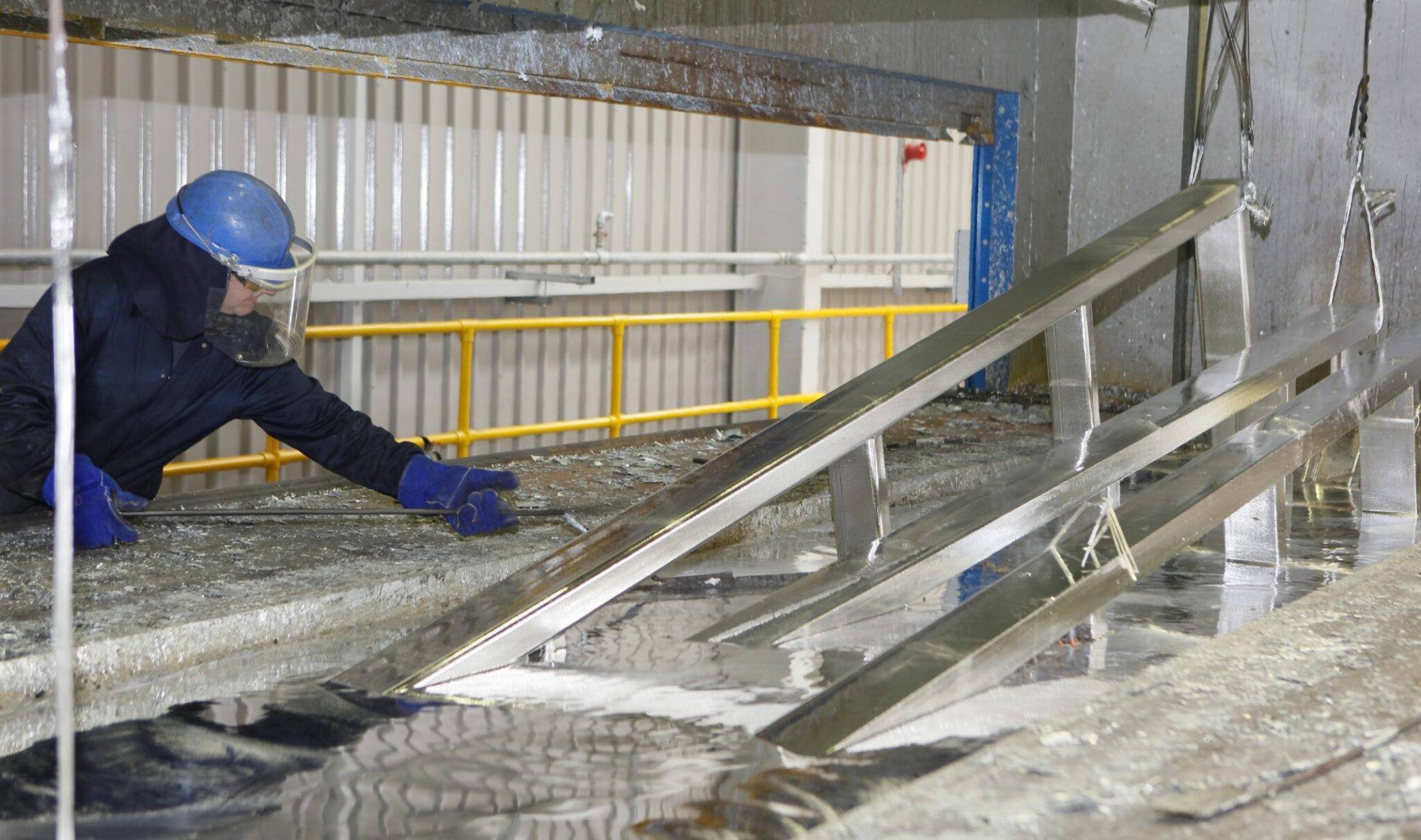
Zinc chloride flux is applied to clean steel surfaces before immersion in molten zinc for corrosion protection
Understanding the different types of zinc chloride and their specific roles is essential for manufacturers aiming for peak efficiency and superior product quality. This guide explores how this versatile compound transforms raw steel into durable, galvanized masterpieces.
What is Zinc Chloride and Why is it Essential?
Zinc chloride (ZnCl₂) is an inorganic chemical compound that is highly soluble in water and known for its diverse industrial applications. In the context of galvanizing, it acts as a “bridge” between the cleaning stage and the actual zinc immersion.
The Role of Flux in Galvanizing
Before steel is dipped into a molten zinc kettle, it must be perfectly clean. The flux bath, often containing zinc chloride, serves as the final preparation step. It removes any remaining oxides and prevents new ones from forming, ensuring the zinc adheres uniformly to the steel surface.
“Without proper fluxing, the metallurgical reaction between zinc and iron cannot occur, leading to ‘black spots’ or peeling coatings that compromise the steel’s integrity.”
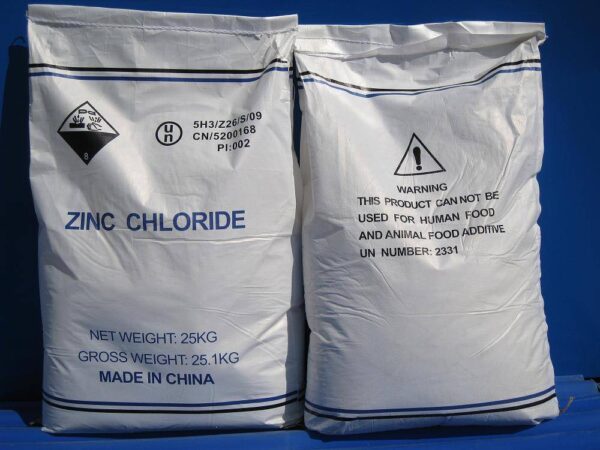
Industrial-grade zinc chloride is typically supplied in moisture-resistant bags to maintain its crystalline integrity.
Common Types of Zinc Chloride in Industry
When sourcing this chemical, professionals must distinguish between several types of zinc chloride based on their physical state and chemical purity. Each type serves a specific niche in the galvanizing and metal treatment workflow.
1. Anhydrous Zinc Chloride
This is the water-free form of the compound, appearing as a white, crystalline solid. It is highly hygroscopic, meaning it rapidly absorbs moisture from the air. It is often used in specialized chemical syntheses and high-concentration flux formulations.
2. Zinc Chloride Solution
Many galvanizing plants prefer pre-mixed solutions. These are easier to handle and dose into flux tanks. Common concentrations range from 50% to 70%, allowing for rapid integration into existing production lines without the need for manual dissolving.
3. Zinc Ammonium Chloride (Flux Salts)
In hot-dip galvanizing, zinc chloride is rarely used alone. It is typically combined with ammonium chloride to create “flux salts.” These are categorized by their salt ratios:
- Double Salt Flux: Contains approximately 56% zinc chloride and 44% ammonium chloride.
- Triple Salt Flux: Contains approximately 44% zinc chloride and 56% ammonium chloride.
Comparison of Zinc Chloride Types
| Type | Physical Form | Primary Advantage | Common Application |
| Anhydrous | Crystalline Powder | High concentration, low volume | Chemical synthesis, dry fluxing |
| Solution | Clear Liquid | Ready-to-use, easy dosing | Large-scale hot-dip galvanizing |
| Double Salt | Granular/Solid | Balanced cleaning & protection | General purpose galvanizing |
| Triple Salt | Granular/Solid | Enhanced cleaning power | High-speed or complex steel parts |
When choosing an industrial zinc chloride supplier.
Contact our team today for a quotation, sample, and supplier verification checklist.
WhatsApp Us for Free a Consultation
How Zinc Chloride Enhances the Galvanizing Process
The magic of zinc chloride happens just seconds before the steel meets the molten zinc. Its chemical properties provide a multi-layered defense and preparation mechanism that is difficult to replicate with other chemicals.
Preventing Surface Oxidation
Once steel is pickled in acid and rinsed, it is highly susceptible to “flash rusting.” Zinc chloride creates a temporary anti-corrosive barrier on the steel surface, keeping it pristine as it moves toward the zinc kettle.
Improving Zinc Fluidity
When the fluxed steel enters the 450°C zinc bath, the ammonium chloride component sublimates, while the zinc chloride helps the molten zinc flow more smoothly. This results in:
- Uniform Coating: No thick or thin spots on the steel.
- Reduced Zinc Waste: Less “dross” or waste material is produced.
- Faster Processing: The steel reacts more quickly with the zinc.
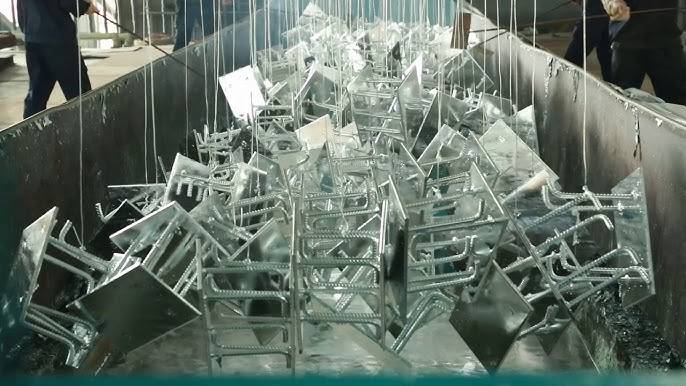
A view of the galvanizing process where fluxed steel is immersed in molten zinc to create a protective layer.
Global Production: Where Does Your Zinc Chloride Come From?
The global supply chain for zinc chloride is robust, with several key nations leading the way in production and quality standards. Choosing the right zinc chloride manufacturers by country can significantly impact your operational costs and product consistency.
Leading Manufacturing Hubs
- China: The world’s largest producer, offering vast capacity and competitive pricing for all types of zinc chloride.
- India: A rapidly growing powerhouse known for high-quality industrial grades and expanding export networks.
- Germany: Renowned for precision and high-purity grades, often used in specialized electronics or pharmaceutical applications.
Technical Specifications for Quality Control
For industrial buyers, monitoring the technical properties of their flux bath is vital. Maintaining the correct density and pH ensures the zinc chloride performs its role without causing defects.
Key Technical Properties
| Property | Typical Value |
| Chemical Formula | ZnCl₂ |
| CAS Number | 7646-85-7 |
| Melting Point | ~290°C (Anhydrous) |
| Density | ~2.91 g/cm³ |
| Solubility | 432 g/100g water (at 25°C) |

Rigorous laboratory testing ensures that every batch of zinc chloride meets the strict purity standards required for high-end galvanizing.
Zinc Chloride in Industrial Applications: See it in Action!
Want to see how zinc chloride is used in a real industrial setting? Check out this short video. It demonstrates its crucial role in the metal treatment process.
Frequently Asked Questions
Q: Can I use zinc chloride alone for galvanizing?
A: While possible, it is rarely done. Most modern plants use a blend of zinc chloride and ammonium chloride to balance surface protection with active cleaning in the zinc kettle.
Q: How do I store zinc chloride safely?
A: It must be kept in a cool, dry place in airtight containers. Because it is highly hygroscopic, exposure to air will cause it to turn into a liquid over time.
Q: Is zinc chloride environmentally friendly?
A: Like all industrial chemicals, it must be handled with care. Modern galvanizing plants use flux treatment systems to recycle chemicals and minimize environmental impact.
Conclusion: Optimizing Your Galvanizing Workflow
Selecting the right types of zinc chloride is more than a procurement decision; it is a commitment to quality. Whether you utilize double-salt flux for general steelwork or high-purity anhydrous grades for specialized applications, the goal remains the same: a perfect, long-lasting galvanized finish.
By understanding the chemical reactions and global sourcing options available, manufacturers can reduce waste, improve safety, and deliver superior steel products to the global market.
Industrial Buyers: Next Steps for Sourcing Bulk Zinc Chloride
Why Buyers Choose Us During Volatile Zinc Chloride Price Trends:
✅ Compliant with EU, UN, ISO Standards – No Legal Headaches
✅ Guaranteed Purity – Stability for your Processing Plant
✅ Batch-Specific COA Provided – Full Transparency per Shipment.
Download Our EU-approved FREE COA & Specifications.[Specifications Page]