


Importing industrial chemicals like zinc chloride from China offers significant cost advantages, but for first-time buyers, the process can be a minefield of hidden risks. As a critical compound used in everything from battery manufacturing to wood preservation, ensuring a smooth supply chain is vital for your business operations.
Many new importers focus solely on the bottom line, only to realize too late that a low price often comes with high hidden costs. In this guide, we break down the top three mistakes you must avoid to ensure your first shipment of zinc chloride is a success.

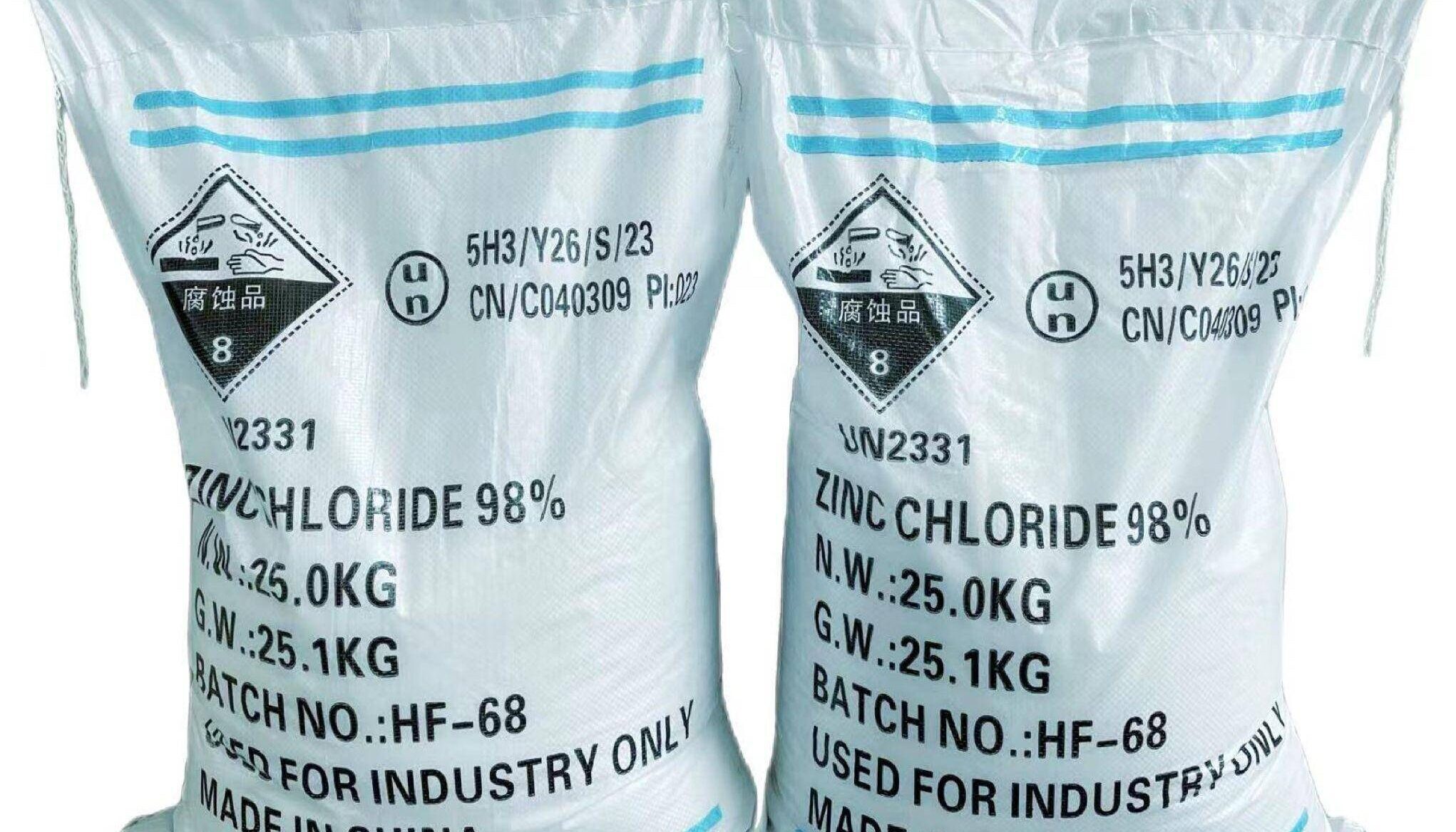
Proper packaging is essential for moisture-sensitive chemicals like zinc chloride to prevent clumping during transit.
The Growing Demand for Zinc Chloride in Global Markets
Before diving into the pitfalls, it is essential to understand why sourcing from a reliable industrial zinc chloride supplier is more important than ever. The global market for zinc chloride (ZnCl₂) is expanding rapidly, driven by its versatility as a catalyst, dehydrating agent, and metallurgical flux.
Whether you are in the textile industry using it as a mordant or in the energy sector producing high-performance batteries, the quality of your raw materials directly impacts your final product’s integrity. China, as the world’s largest producer, offers unparalleled scale, but this scale requires a sophisticated approach to procurement.

High-purity zinc chloride should appear as a clean, white crystalline solid without discoloration or visible impurities.
1. Prioritizing Price Over Supplier Verification
The most common mistake is choosing a supplier based purely on the lowest quote. While China is a leading global hub, not all manufacturers are created equal. Many “suppliers” on major platforms are actually middlemen who lack control over the production process.
Working with an unverified source can lead to inconsistent quality, where the sample you receive doesn’t match the bulk order. This is particularly dangerous for industries like electronics, batteries, and metal finishing, where even small amounts of iron, lead, or cadmium contamination can affect product performance.
The Dangers of “Trading Companies” Posing as Factories
In the Chinese chemical market, many trading companies present themselves as direct manufacturers. While some provide value through logistics, they often lack the technical depth to troubleshoot quality issues. A true industrial zinc chloride supplier will have its own laboratory and R&D team to ensure every batch meets international standards.
How to Verify Your Supplier
- Request Business Licenses: Ensure they have a valid “Business License” (营业执照) and “Hazardous Chemicals Business License” if applicable.
- Check Factory Locations: Use Google Earth or third-party audits to verify that the factory actually exists at the listed address.
- Verify Certifications: Look for ISO 9001 for quality management and ISO 14001 for environmental standards.

Professional quality assurance is the backbone of a reliable chemical supply chain in China.
2. Neglecting Detailed Quality Specifications
First-time buyers often order “zinc chloride” without specifying the exact grade or purity required. Zinc chloride comes in various forms—anhydrous powder, granular, or liquid solution—each with different industrial applications.
Failing to provide a detailed Certificate of Analysis (COA) requirement can result in receiving a product that is technically “zinc chloride” but useless for your specific needs. For instance, battery-grade zinc chloride requires much lower levels of heavy metal impurities than textile-grade material.
Understanding Technical Grades
The chemical properties of zinc chloride, such as its melting point of approximately 293°C and its high solubility in water. If your supplier does not understand your specific application, they may provide a grade that lacks the necessary stabilizers or has excessive moisture content.
Common Zinc Chloride Grades and Their Uses
| Grade | Purity (ZnCl₂) | Primary Application | Key Impurity Limits |
| Battery Grade | ≥ 98.5–99% | Dry cell batteries | Low Fe, Pb, and Cd |
| Industrial Grade | ≥ 98.5–99% | Galvanizing, soldering | Standard moisture |
| Tech Grade | ≥ 94–96% | Wood preservation | Higher tolerance |
By clearly defining your quality standards in the purchase contract, you create a legal safeguard against substandard shipments.

Rigorous laboratory testing ensures that the zinc chloride meets the stringent purity requirements for industrial applications.
3. Ignoring Logistics and Hazardous Material Regulations
Zinc chloride is classified as a Class 8 Corrosive Substance (UN 2331 for solid, UN 1840 for solution). First-time buyers often underestimate the complexity of shipping hazardous materials (HazMat).
Mistakes in labeling or documentation can lead to your shipment being stuck at the port, resulting in heavy demurrage fees that can exceed the value of the chemicals themselves. Furthermore, improper packaging can lead to moisture absorption, as zinc chloride is highly deliquescent (it absorbs water from the air).
The Role of Proper Packaging
Because zinc chloride is highly hygroscopic, it must be stored in airtight, moisture-proof containers. Standard 25kg bags should have a double-layer plastic lining. If you are importing liquid solutions, the drums must be made of corrosion-resistant materials like high-density polyethylene (HDPE).
Essential Shipping Checklist
- MSDS/SDS: Ensure the supplier provides a compliant Safety Data Sheet in your language.
- UN Packaging: Confirm the use of UN-certified bags or drums that can withstand corrosive materials.
- Incoterms: Be clear on whether you are buying FOB (Free on Board) or CIF (Cost, Insurance, and Freight) to know exactly when the risk transfers to you.

Efficient logistics at major Chinese ports ensure that industrial chemicals reach global markets on schedule.
Avoid costly mistakes when choosing an industrial zinc chloride supplier.
Contact our team today for a quotation, sample, and supplier verification checklist.
WhatsApp Us for Free a Consultation
The Critical Supplier Verification and Sourcing Checklist
To ensure your digital and physical supply chain is secure, follow this specialized checklist before finalizing any deal with an industrial zinc chloride supplier.
Digital and Administrative Verification
- Email Security: Always verify the sender’s email domain. Scammers often use domains that are one letter off from the real factory’s name.
- Payment Protocol: Never send large payments to a personal bank account. Ensure the bank account name matches the company name on the business license.
- Digital Audit: Check the supplier’s website for an SSL certificate and professional design. A legitimate manufacturer invests in its digital presence.
- Third-Party Inspection: Hire an independent inspector (like SGS or Intertek) to visit the factory and verify the “IT” of the production line—automated systems are a sign of a modern facility.

Modern chemical factories in China utilize automated systems to maintain consistent product quality.
Strategic Sourcing: Beyond the First Order
Successful importing is not just about the first shipment; it is about building a sustainable partnership. A top-tier industrial zinc chloride supplier will provide you with market insights, helping you anticipate price fluctuations in raw zinc or changes in Chinese export regulations.
Managing Lead Times and Seasonal Fluctuations
The chemical industry in China is subject to seasonal changes, such as the Lunar New Year holiday, which can halt production for weeks. Advanced buyers plan their inventory at least three months in advance to avoid stockouts during these periods.
Summary of Best Practices for Importing
| Step | Action Item | Goal |
| Step 1 | Sourcing | Identify a verified industrial zinc chloride supplier with a proven track record. |
| Step 2 | Sampling | Request and independently test a 500g sample before placing a bulk order. |
| Step 3 | Contracting | Include a detailed COA and penalty clauses for quality deviations in the contract. |
| Step 4 | Logistics | Partner with a freight forwarder experienced in handling Class 8 corrosive chemicals. |

Large-scale manufacturing hubs in China provide the infrastructure necessary for consistent global supply of industrial chemicals.
Zinc Chloride in Industrial Applications: See it in Action!
Want to see how zinc chloride is used in a real industrial setting? Check out this short video. It demonstrates its crucial role in the metal treatment process.
Frequently Asked Questions (FAQs) About Importing Zinc Chloride
To further assist first-time buyers, here are answers to some commonly asked questions regarding the import of zinc chloride from China.
Q1: What is the typical lead time for importing zinc chloride from China?
A1: Lead times can vary significantly based on the supplier’s production schedule, shipping method (sea freight is common for bulk chemicals), and customs clearance. Generally, expect a total lead time of 4-8 weeks from order confirmation to delivery at your port. It’s crucial to factor in potential delays due to holidays like the Chinese New Year or unforeseen logistical issues.
Q2: How can I ensure the purity of zinc chloride upon arrival?
A2: To ensure purity, always request a Certificate of Analysis (COA) from your supplier for each batch. Additionally, consider independent third-party testing upon arrival at your destination port. This involves taking samples from the shipment and sending them to a certified laboratory for verification against the agreed-upon specifications. This step is a critical part of quality control for chemical imports.
Q3: What are the key documents required for customs clearance?
A3: Essential documents typically include the Commercial Invoice, Packing List, Bill of Lading (for sea freight) or Air Waybill (for air freight), Certificate of Origin, and the Material Safety Data Sheet (MSDS/SDS). For hazardous chemicals like zinc chloride, a Dangerous Goods Declaration is also mandatory. Ensure all documents are accurate and consistent to avoid customs delays.
Q4: Is it possible to import small quantities of zinc chloride for testing?
A4: Yes, most reputable suppliers will offer samples, often ranging from 500g to 5kg, for quality evaluation. While the cost per kilogram for samples will be higher than bulk orders, it is a crucial step in verifying the product’s suitability before committing to a large purchase. Always independently test these samples.
Q5: What are Incoterms, and why are they important for chemical imports?
A5: Incoterms (International Commercial Terms) are a set of globally recognized rules that define the responsibilities of buyers and sellers for the delivery of goods under sales contracts. They specify who is responsible for paying and managing the shipment, insurance, documentation, and customs clearance. For chemical imports, understanding Incoterms like FOB (Free On Board) or CIF (Cost, Insurance, and Freight) is vital to clarify cost and risk transfer points, preventing disputes and unexpected expenses.
Q6: What are the environmental regulations for zinc chloride?
A6: Zinc chloride is considered an environmental hazard, particularly to aquatic life. Importers must comply with local and international environmental regulations regarding its handling, storage, and disposal. This includes adherence to REACH regulations in Europe, TSCA in the United States, and similar frameworks in other regions. Always consult with environmental specialists to ensure full compliance.
Conclusion: Securing Your Supply Chain
Importing zinc chloride from China doesn’t have to be a gamble. By avoiding these three common mistakes—ignoring supplier verification, neglecting specs, and underestimating logistics—you can build a reliable, high-quality supply chain that gives your business a competitive edge.
Ready to start your sourcing journey? Always remember that in the world of industrial chemicals, transparency and verification are just as important as the chemical formula itself. By following the IT and sourcing checklist provided in this guide, you are well on your way to a successful and profitable import operation.
Industrial Buyers: Next Steps for Sourcing Bulk Zinc Chloride
Why Buyers Choose Us During Volatile Zinc Chloride Price Trends:
✅ Compliant with EU, UN, ISO Standards – No Legal Headaches
✅ Guaranteed Purity – Stability for your Processing Plant
✅ Batch-Specific COA Provided – Full Transparency per Shipment.
Download Our EU-approved FREE COA & Specifications.[Specifications Page]