


Have you ever wondered how a single chemical can be so crucial across vastly different industries? Zinc chloride is one of those remarkable compounds. It plays a vital role in everything from metallurgy to battery manufacturing. However, not all zinc chloride is created equal. Depending on the specific industrial application, different forms and purities are required. Understanding these variations is essential for optimizing your manufacturing processes.
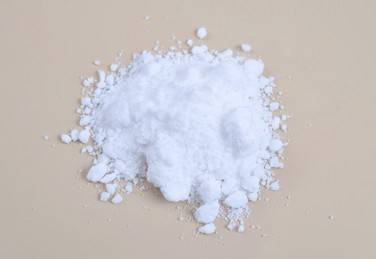
Pure anhydrous zinc chloride in solid powder form, ideal for chemical synthesis and flux applications.
In this guide, we will explore the main types of zinc chloride used in industrial applications, including different grades and commercial forms. We’ll break down their unique properties and help you determine which type best suits your specific needs.
Understanding Zinc Chloride: The Basics
Before diving into the specific types, let’s quickly review what zinc chloride is. It’s an inorganic chemical compound with the formula ZnCl₂. It’s highly soluble in water and known for its versatility.
This compound acts as a powerful Lewis acid and a highly effective dehydrating agent. These fundamental properties are what make it so useful across various sectors. It’s a true workhorse in the chemical world.
The Main Types of Zinc Chloride
When sourcing this chemical, you’ll typically encounter three primary forms. Each is tailored for specific industrial environments and applications. Let’s examine them closely.
1. Anhydrous Zinc Chloride (Solid/Powder Form)
Anhydrous zinc chloride is the solid, moisture-free form of the compound. It typically appears as a white, crystalline powder or granules. It is highly hygroscopic, meaning it readily absorbs moisture from the air.
- High Purity: Offers maximum concentration for sensitive reactions.
- Dehydrating Power: Excellent for removing water in organic synthesis.
- Storage Needs: Requires tightly sealed containers to prevent moisture absorption.
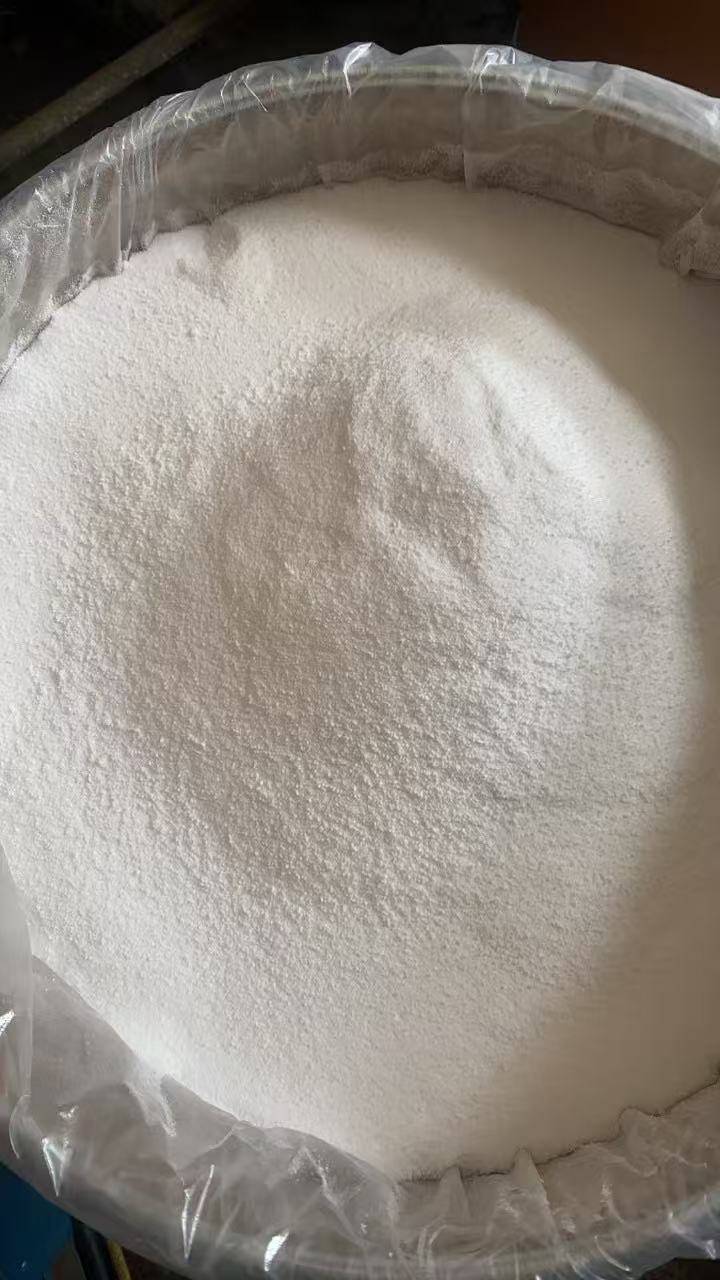
Bulk production batch of high-quality zinc chloride powder ready for industrial packaging.
2. Zinc Chloride Solution (Liquid Form)
Zinc chloride solution is the compound dissolved in water. It’s available in various concentrations, typically ranging from 40% to 70%. This liquid form is highly convenient for many industrial processes.
- Ease of Use: Ready to use without the need for dissolving.
- Safer Handling: Reduces the risk of inhaling chemical dust.
- Customizable: Available in specific concentrations to meet exact needs.
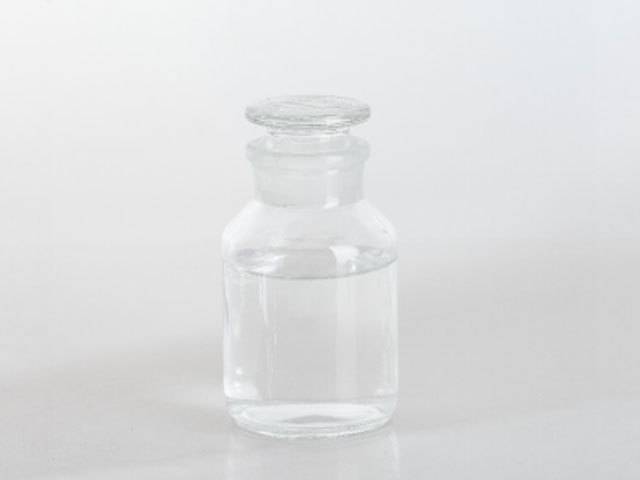
Zinc chloride solution (liquid form) commonly used in textiles, wood preservation, and easy-handling processes.
3. Battery Grade Zinc Chloride
Battery-grade zinc chloride is a high-purity grade of either solid or solution form, specifically refined for battery applications. This grade undergoes rigorous purification processes.
Even trace impurities can significantly degrade battery performance and lifespan.
Therefore, this type must meet exceptionally strict quality standards. It ensures the reliable power we expect from our portable devices.
- Ultra-High Purity: Free from heavy metals and other contaminants.
- Optimal Conductivity: Ensures efficient ion flow within the battery.
- Consistent Performance: Crucial for the longevity of dry cell batteries.
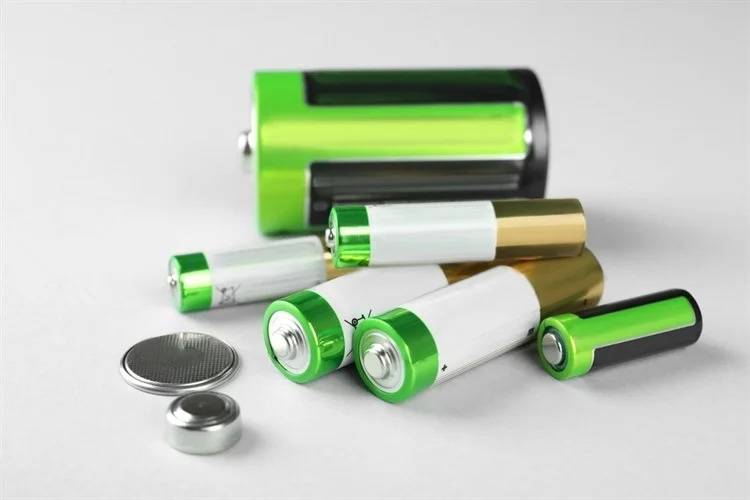
Dry cell batteries powered by high-purity battery-grade zinc chloride as electrolyte.
Ready to Source Bulk Zinc Chloride for Your Application?
Looking for a reliable zinc chloride supplier with consistent quality and certified purity?
WhatsApp Us for Free a Consultation
Choosing the Right Type for Your Application
Selecting the correct type of zinc chloride is critical for the success of your industrial process. Let’s look at how these different types align with specific applications.
Applications for Anhydrous Zinc Chloride
The solid, anhydrous form is preferred when moisture must be strictly controlled. It’s heavily utilized in chemical synthesis as a catalyst. It’s also essential in metallurgical fluxes where water could cause dangerous splattering.
Furthermore, it’s used in the production of specialized resins and dyes. Its strong dehydrating properties make it indispensable in these precise chemical environments.
Applications for Zinc Chloride Solution
The liquid solution is favored for its ease of integration into existing liquid-based processes. It’s extensively used in the textile industry as a mordant for dyeing fabrics. It’s also a key component in wood preservation treatments.
Additionally, it’s used in water treatment facilities and in the manufacturing of certain adhesives. Its ready-to-use nature streamlines production lines and improves overall efficiency.
Comparison of Zinc Chloride Types
To help you quickly compare these options, here is a summary table outlining the main types and their typical uses:
| Type | Form | Key Characteristic | Primary Applications |
| Anhydrous | Solid/Powder | Moisture-free, highly concentrated | Chemical synthesis, metallurgical flux |
| Solution | Liquid | Dissolved in water, easy to handle | Textile dyeing, wood preservation |
| Battery Grade | Solid or Liquid | Ultra-high purity, strict standards | Dry cell battery electrolytes |
The Importance of Quality and Purity
Regardless of the type you choose, purity is paramount. Impurities can lead to unpredictable reactions, reduced product quality, and even safety hazards. This is why sourcing from a reputable manufacturer is crucial.
We ensure that every batch, whether solid or liquid, meets rigorous international standards. You can read more about how our commitment to quality impacts our clients on our success stories page.

Laboratory quality control ensuring purity across all types of zinc chloride products.
Logistics and Safe Handling
Different types of zinc chloride require specific handling and storage protocols. Anhydrous forms must be kept strictly dry, while solutions require appropriate liquid containment.
Our logistics team ensures that whichever type you order, it arrives safely and in perfect condition. We use specialized packaging tailored to the specific physical state of the chemical.
Technical Properties Overview
For a quick reference, here are some general technical properties of the compound itself:
| Property | Value |
| Melting Point | 283 °C (approx.) |
| Density | ~2.9 g/cm³ (solid, anhydrous) |
| CAS Number | 7646-85-7 |
| Chemical Formula | ZnCl₂ |
Zinc Chloride in Industrial Applications: See it in Action!
Want to see how zinc chloride is used in a real industrial setting? Check out this short video. It demonstrates its crucial role in the metal treatment process.
Frequently Asked Questions (FAQs) About Zinc Chloride Types
We understand you might have more questions about the different forms of this chemical. Here are some of the most common inquiries we receive, answered simply and directly:
Q1: Can I substitute zinc chloride solution for anhydrous powder?
It depends entirely on your application. If your process is sensitive to water, you cannot use the solution. However, if water is acceptable or required, the solution is often a safer and more convenient choice.
Always consult with a chemical engineer or refer to your specific process guidelines before making a substitution.
Q2: Why is battery grade zinc chloride more expensive?
Battery grade requires extensive purification processes to remove even trace amounts of heavy metals and other impurities. This rigorous refining process increases production costs.
However, this purity is absolutely essential for the safe and efficient operation of batteries, making the investment necessary.
Q3: How should I store anhydrous zinc chloride?
Anhydrous zinc chloride is highly hygroscopic, meaning it absorbs moisture from the air rapidly. It must be stored in tightly sealed, moisture-proof containers in a dry, well-ventilated area.
Failure to do so will result in the powder clumping and eventually dissolving into a liquid state, ruining its anhydrous properties.
Q4: What concentrations are available for zinc chloride solutions?
Zinc chloride solutions are typically available in concentrations ranging from 40% to 70%. The specific concentration you need depends on your industrial application.
We can often provide custom concentrations tailored to your exact manufacturing requirements.
Q5: Where can I find more detailed information on specific applications?
For more in-depth information on how these different types are used across various industries, you can explore our dedicated Zinc Chloride application page. This resource provides detailed insights into its diverse uses.
Conclusion: Selecting the Right Chemical Partner
Understanding the main types of zinc chloride is the first step in optimizing your industrial processes. Whether you need the dehydrating power of anhydrous powder or the convenience of a solution, choosing correctly is vital.
It’s about matching the chemical’s physical state and purity to your specific manufacturing demands. This ensures efficiency, safety, and high-quality end products.
At Camazinc, we are dedicated to providing all types of high-quality zinc chloride. We support your diverse industrial needs. Ready to optimize your sourcing?
Contact us today for a free consultation. See how we can help your business thrive with the right chemical solutions.
Industrial Buyers: Next Steps for Sourcing Bulk Zinc Chloride
What makes our Zinc Chloride Better:
✅ Compliant with EU, UN, ISO Standards – No Legal Headaches
✅ Guaranteed Purity – Stability for your Processing Plant
✅ Batch-Specific COA Provided – Full Transparency per Shipment.
Download Our EU-approved FREE COA & Specifications.[Specifications Page]