


Buying the right grade of zinc chloride is only half the operation. What happens to spent solution, rinse water, or off-spec material afterward is the part that gets regulators involved. Getting zinc chloride waste disposal right protects your permit standing, your budget, and in some cases turns a waste stream into a recoverable input.
This guide covers the main disposal, recovery, and treatment paths industrial users choose, how to decide between them, and what documentation regulators expect to see.

Most zinc chloride waste streams pass through a treatment step before they reach disposal or recovery.
Why Zinc Chloride Waste Needs a Deliberate Plan
Zinc chloride is corrosive and classified as a hazardous material in most jurisdictions when it appears as a concentrated waste stream. Treating it like ordinary process water is the single most common mistake operators make.
Where the Waste Actually Comes From
- Spent pickling or galvanizing flux baths
- Rinse water from metal processing lines
- Off-spec batches from chemical synthesis
- Expired or contaminated stock
What’s at Stake if It’s Handled Wrong
Improper discharge can violate wastewater permits, trigger fines, or contaminate soil and groundwater. Zinc is also a regulated metal under most environmental frameworks, which means zinc chloride waste is checked closely even at moderate concentrations.
Zinc Chloride Disposal Options
Option 1: Licensed Hazardous Waste Disposal
For waste that can’t be economically treated or recovered, disposal through a licensed hazardous waste contractor is the standard route. The contractor neutralizes, stabilizes, or incinerates the material under a controlled permit.
When This Makes Sense
- Low volumes that don’t justify on-site treatment
- Waste mixed with other contaminants
- Operations without in-house environmental staff
Option 2: Permitted Discharge After Treatment
Many facilities are allowed to discharge treated effluent to a municipal sewer or waterway, provided zinc and chloride concentrations fall within permit limits after treatment. This depends entirely on local water authority rules, so a permit review always comes before this path is chosen.
This is a decision to make with your local water authority or environmental consultant, not a default assumption — permit limits vary significantly by municipality and country.
Zinc Chloride Recovery Options
Recovery is often the most cost-effective path, since it turns a disposal cost into a partial return.
Precipitation and Reclamation
Zinc can be precipitated out of solution as zinc hydroxide or zinc carbonate using a pH adjustment, then filtered and either sold to a metal recycler or reprocessed. This is the most common recovery method in metal processing and galvanizing operations, the same segment where a steel galvanizing customer in Poland has run our 95% grade at bulk volume, as covered in our success stories.
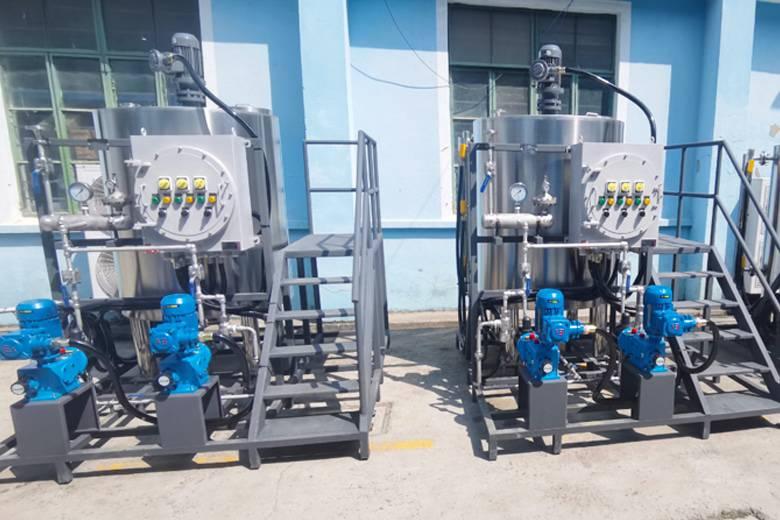
Precipitation recovery typically starts with a controlled dosing step to adjust pH.
Basic Recovery Steps
- Collect and segregate the zinc chloride waste stream separately from other process water
- Adjust pH to precipitate zinc compounds
- Filter and dewater the resulting solids
- Send the reclaimed zinc for reuse or sale, and manage remaining liquid per discharge rules
Evaporation and Concentration
For facilities generating dilute rinse water, evaporation can concentrate the zinc chloride content, reducing the volume that needs treatment or disposal. This works well where energy costs are manageable and volumes are high enough to justify the equipment.
Ion Exchange
Ion exchange resins can pull zinc ions from dilute streams, producing a cleaner effluent and a concentrated waste that’s easier to manage. This method suits facilities already running ion exchange for other water treatment needs.
WhatsApp Us for Free a Consultation
Zinc Chloride Treatment Options Before Discharge or Disposal
Neutralization
The most common first step for any zinc chloride waste stream is pH neutralization, usually with lime or caustic soda, to bring the solution to a manageable range before further treatment. If your facility already handles caustic soda for other processes, our sister company Camachem Caustic Soda supplies the same grade used in neutralization systems.
Coagulation and Flocculation
Where zinc chloride waste is mixed with suspended solids, coagulation and flocculation help settle solids out before the clarified water moves to further treatment or discharge. Facilities already using zinc chloride for water treatment will recognize the same coagulation principles at work here, just applied to a waste stream instead of an intake source.
Stabilization for Solid Waste
Solid residues from precipitation or filtration are often stabilized with a binding agent before landfill disposal, reducing the risk of zinc leaching back out over time.

An ISO 14001-certified supplier is more likely to understand the compliance side of the waste your process generates.
Comparing the Main Options
| Method | Best For | Typical Cost | Recovered Value? |
|---|---|---|---|
| Licensed disposal | Low volume, mixed contamination | Highest per ton | No |
| Permitted discharge | Facilities with local discharge permits | Low, ongoing monitoring cost | No |
| Precipitation/reclamation | Metal processing, galvanizing | Moderate, offset by recovery | Yes |
| Evaporation | High-volume dilute streams | Higher energy cost | Partial |
| Ion exchange | Dilute streams, existing IX systems | Moderate, resin replacement cost | Partial |
Compliance Steps Before You Choose a Method
Documentation Regulators Typically Ask For
- Waste characterization report or lab analysis
- Safety Data Sheet for the zinc chloride in use
- Discharge or disposal permit, where applicable
- Records of waste volume and treatment method
You can review the general framework for hazardous waste identification and handling on the U.S. EPA’s hazardous waste site, and confirm local equivalents with your environmental consultant if you operate outside the U.S.
Segment-Specific Considerations
Technical depth matters more for battery manufacturing and chemical synthesis operations, where zinc chloride waste streams are often more concentrated and require closer monitoring. Textile and paper facilities typically generate more dilute waste and can often work with simpler treatment steps.
Decision-Maker Insight: The cheapest disposal option on paper is rarely the cheapest option over a year of operation. Recovery methods that reclaim zinc value can offset treatment costs, and a documented, compliant process protects you from fines that cost far more than the treatment itself. Ask any prospective supplier or contractor for their own compliance certifications before signing — the same vetting standard we recommend when sourcing a zinc chloride supplier from China applies to your waste contractor too.
Technical Note: Zinc chloride waste concentration, not just volume, determines which method is viable. A dilute rinse stream under roughly 1% zinc chloride is often a candidate for ion exchange or evaporation, while a concentrated spent bath from galvanizing is usually better suited to precipitation and reclamation. Always confirm actual concentration through lab analysis rather than estimating from the original grade used, since process consumption changes the number significantly.

Segregated, labeled storage prevents cross-contamination before waste reaches the treatment step.
WhatsApp Us for Free a Consultation
How Grade and Sourcing Affect Waste Volume
Buying the Right Grade Reduces Waste
Over-specifying grades for an application that doesn’t need it creates more waste to manage without a performance benefit. Reviewing the types of zinc chloride available, alongside our specifications page, helps you match grade to application instead of defaulting to the higher purity.
Consistent Supply Reduces Off-Spec Waste
A supplier with tight batch-to-batch consistency reduces the amount of off-spec material you end up disposing of. This is one of the quieter reasons batch-specific documentation matters — it’s not just about proving quality on arrival, it’s about reducing waste downstream. It’s also one of the buyer mistakes that catches first-time importers off guard, since off-spec waste often traces back to a supplier who couldn’t hold consistent batches in the first place.

Monitoring concentration in real time catches deviations before they become a larger waste problem.
WhatsApp Us for Free a Consultation
Zinc Chloride in Industrial Applications:
See It in Action! Want to see how zinc chloride is used in a real industrial setting? Check out this short video. It demonstrates its crucial role in the metal treatment process.
Frequently Asked Questions
Is zinc chloride waste classified as hazardous?
In most jurisdictions, concentrated zinc chloride waste is regulated as hazardous due to its corrosivity and zinc content. Always confirm classification against your local environmental authority’s rules, since thresholds vary.
Can zinc chloride waste be recovered instead of disposed of?
Yes, in many cases. Precipitation and reclamation is common in metal processing and galvanizing, where zinc value can be recovered and the remaining liquid treated for discharge or further processing.
What documentation do I need before disposing of zinc chloride waste?
Most regulators expect a waste characterization report, the relevant Safety Data Sheet, applicable permits, and records of the volume and treatment method used.
Does the grade I buy affect how much waste I generate?
It can. Buying a higher grade than your application typically increases cost without reducing waste, and can leave more concentrated off-spec material if the excess purity isn’t needed for the process.
Conclusion
Key Takeaways
Zinc chloride waste disposal isn’t a single decision — it’s a choice between licensed disposal, permitted discharge, and recovery methods like precipitation, evaporation, or ion exchange, each suited to different waste concentrations and volumes. Documentation and compliance steps matter as much as the method itself.
Your Next Step
Start with a lab analysis of your actual waste concentration, then match it against the options above with your environmental consultant. If reducing waste volume starts with getting the right grade in the first place, our team can help confirm that before your next order.
Industrial Buyers: Next Steps for Sourcing Bulk Zinc Chloride
What makes our Zinc Chloride Better:
✅ Compliant with EU, UN, ISO Standards – No Legal Headaches
✅ Guaranteed Purity – Stability for your Processing Plant
✅ Batch-Specific COA Provided – Full Transparency per Shipment.
Download Our EU-approved FREE COA & Specifications. Specifications Page