



In the complex world of industrial water management, maintaining the integrity of piping and cooling systems is a constant challenge. Zinc chloride has emerged as a critical chemical solution in this field, primarily valued for its exceptional properties as a corrosion inhibitor. By forming a protective molecular layer on metal surfaces, it prevents the costly degradation of infrastructure in cooling towers and wastewater facilities.
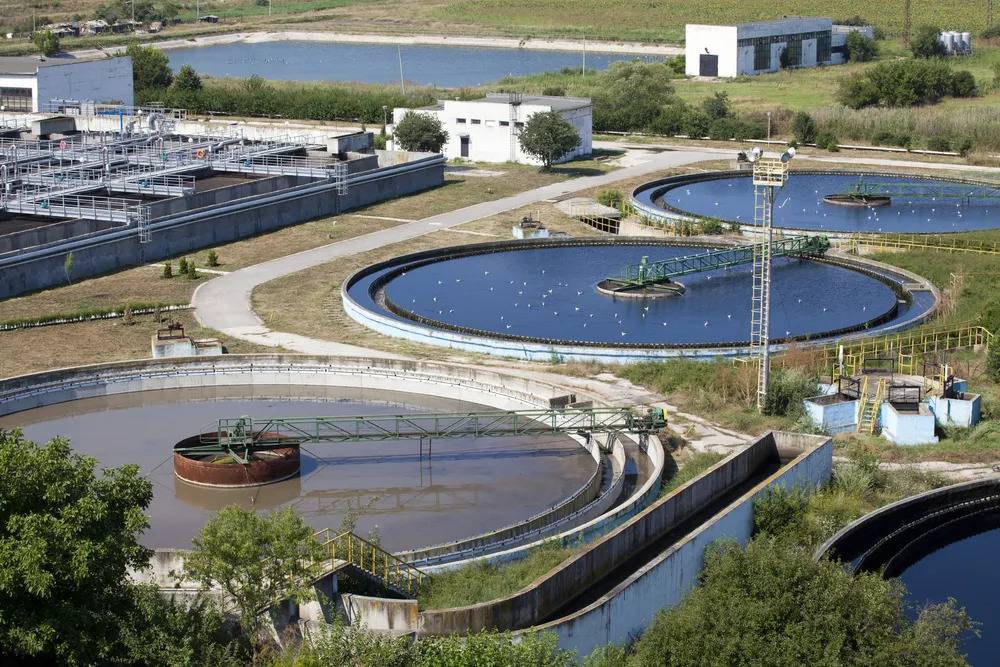
Modern industrial wastewater treatment plant where zinc chloride is used as a corrosion inhibitor and for odor control.
Understanding the strategic application of Zinc Chloride for Water Treatment allows facility managers to extend the lifespan of their equipment while ensuring optimal operational efficiency. This guide explores the multifaceted roles of this compound in modern water systems.
The Role of Zinc Chloride as a Corrosion Inhibitor
Corrosion is the silent enemy of industrial water systems, leading to leaks, reduced efficiency, and eventual system failure. Zinc chloride acts as a cathodic inhibitor, meaning it interferes with the electrochemical reactions that cause metal to rust and degrade.
How It Protects Metal Surfaces
When added to water systems, zinc ions react with the alkalinity in the water to form a thin, tenacious film of zinc hydroxide on the metal surface. This microscopic barrier prevents oxygen and other corrosive agents from reaching the metal, effectively halting the corrosion process in its tracks.
“The synergy between zinc chloride and other inhibitors like phosphates creates a robust defense mechanism that is far more effective than using any single chemical alone.”

Advanced control rooms in Chinese industrial facilities allow for the precise dosing of zinc chloride to maintain optimal corrosion protection in large-scale water systems.
Key Benefits of Zinc Chloride for Water Treatment
Beyond its primary role in corrosion control, Zinc Chloride for Water Treatment offers several secondary benefits that contribute to the overall health and stability of industrial water systems.
1. Effective Odor Control in Wastewater
In wastewater treatment, zinc chloride is often used to neutralize hydrogen sulfide (H₂S), the gas responsible for the “rotten egg” smell. By reacting with the sulfide ions, it forms stable, non-volatile zinc sulfide, significantly improving the air quality around treatment plants.
2. Prevention of Scale Formation
While primarily an inhibitor, zinc chloride can also assist in preventing the buildup of mineral scales. By stabilizing the water chemistry, it helps keep minerals in solution, preventing them from precipitating and clogging pipes or heat exchangers.
3. Broad Compatibility with Other Chemicals
Zinc chloride is highly compatible with a wide range of other water treatment chemicals, including biocides and dispersants. This makes it an easy addition to existing treatment programs without the risk of negative chemical interactions.
Comparison of Water Treatment Inhibitors
| Inhibitor Type | Primary Mechanism | Best Use Case |
| Zinc Chloride | Cathodic Protection | Cooling Towers & Wastewater |
| Orthophosphate | Anodic Protection | Potable Water Systems |
| Polyphosphate | Sequestration | Hard Water Scale Control |
| Molybdate | Anodic Protection | Closed-Loop Cooling Systems |
When choosing an industrial zinc chloride supplier.
Contact our team today for a quotation, sample, and supplier verification checklist.
WhatsApp Us for Free a Consultation
Technical Specifications and Dosing Control
For water treatment professionals, the success of a program depends on precise chemical management. Maintaining the correct concentration of Zinc Chloride for Water Treatment is vital for consistent protection.
Managing Purity and Contaminants
In sensitive water systems, the purity of the zinc chloride is paramount. Low-quality chemicals can introduce unwanted heavy metals or reactive compounds that may actually accelerate corrosion or interfere with other treatment processes. Sourcing high-purity grades ensures that the protective film remains stable and effective.
Monitoring and Testing
Regular testing of zinc levels in the water is necessary to ensure that the dosing pumps are delivering the correct amount of chemical. Most industrial systems aim for a residual zinc concentration of 0.5 to 2.0 ppm (parts per million) to maintain an effective protective barrier.

Modern industrial filtration systems integrate chemical dosing units that precisely inject zinc chloride into the water stream to protect downstream equipment.
Global Sourcing: Finding Reliable Manufacturers
The global market for water treatment chemicals is vast, and finding the right partner is essential for long-term success. Sourcing from reputable zinc chloride manufacturers by country ensures that you receive consistent, high-quality products that meet international environmental standards.
Leading Production Regions
- China: A global powerhouse in the production of water treatment chemicals, offering integrated logistics and competitive pricing for bulk zinc chloride solutions.
- India: Known for its rapidly growing industrial chemical sector and focus on sustainable water management solutions.
- Germany: Preferred for high-precision applications where ultra-pure zinc chloride is required to protect sensitive industrial processes.
Environmental Considerations and Sustainability
As environmental regulations become stricter, the use of Zinc Chloride for Water Treatment is being optimized for sustainability. Modern treatment programs focus on minimizing the discharge of zinc into the environment while still providing maximum protection for the infrastructure.
Recycling and Recovery
Many advanced industrial facilities now utilize recovery systems to capture and reuse zinc from their blowdown water. This not only reduces the environmental footprint of the facility but also lowers the overall cost of the water treatment program by reducing chemical consumption.

Precision dosing pumps are the backbone of any water treatment program, ensuring that zinc chloride is delivered at the exact concentration needed for effective corrosion inhibition.
Zinc Chloride in Industrial Applications: See it in Action!
Want to see how zinc chloride is used in a real industrial setting? Check out this short video. It demonstrates its crucial role in the metal treatment process.
Frequently Asked Questions
Q: Is zinc chloride safe for potable (drinking) water?
A: While zinc is an essential mineral, zinc chloride is primarily used in industrial and non-potable water systems. For drinking water, other forms of zinc or phosphates are typically preferred.
Q: How does zinc chloride compare to zinc sulfate?
A: Zinc chloride is often preferred in industrial systems due to its higher solubility and effectiveness as a Lewis acid, although zinc sulfate may be used in certain agricultural or lower-corrosion applications.
Q: Can zinc chloride be used in high-temperature systems?
A: Yes, zinc chloride is stable at the temperatures typically found in industrial cooling and boiler systems, making it a versatile choice for a wide range of thermal environments.
Conclusion: Securing the Future of Water Infrastructure
The strategic use of Zinc Chloride for Water Treatment remains a cornerstone of industrial maintenance. By providing a reliable and cost-effective means of preventing corrosion and controlling odors, it ensures that our essential water systems continue to operate safely and efficiently.
Whether you are managing a large-scale cooling tower or a municipal wastewater facility, the right combination of high-purity zinc chloride and precise dosing control is the key to protecting your infrastructure and the environment.
Industrial Buyers: Next Steps for Sourcing Bulk Zinc Chloride
Why Buyers Choose Us During Volatile Zinc Chloride Price Trends:
✅ Compliant with EU, UN, ISO Standards – No Legal Headaches
✅ Guaranteed Purity – Stability for your Processing Plant
✅ Batch-Specific COA Provided – Full Transparency per Shipment.
Download Our EU-approved FREE COA & Specifications.[Specifications Page]