



Shipping zinc chloride across borders is not like moving ordinary cargo. It is a corrosive, moisture-hungry solid, and carriers, ports and customs officers all treat it as dangerous goods. For a first-time importer, one wrong label or one missing paper can hold a container at port for weeks.
This guide gives business owners and their technical teams five checks to run before any bulk order leaves China. Each check also works as a test of your supplier. A real, experienced exporter can answer every one of them quickly.
It is written for bulk industrial orders, meaning a 20 ft container and up, not lab-size bottles.

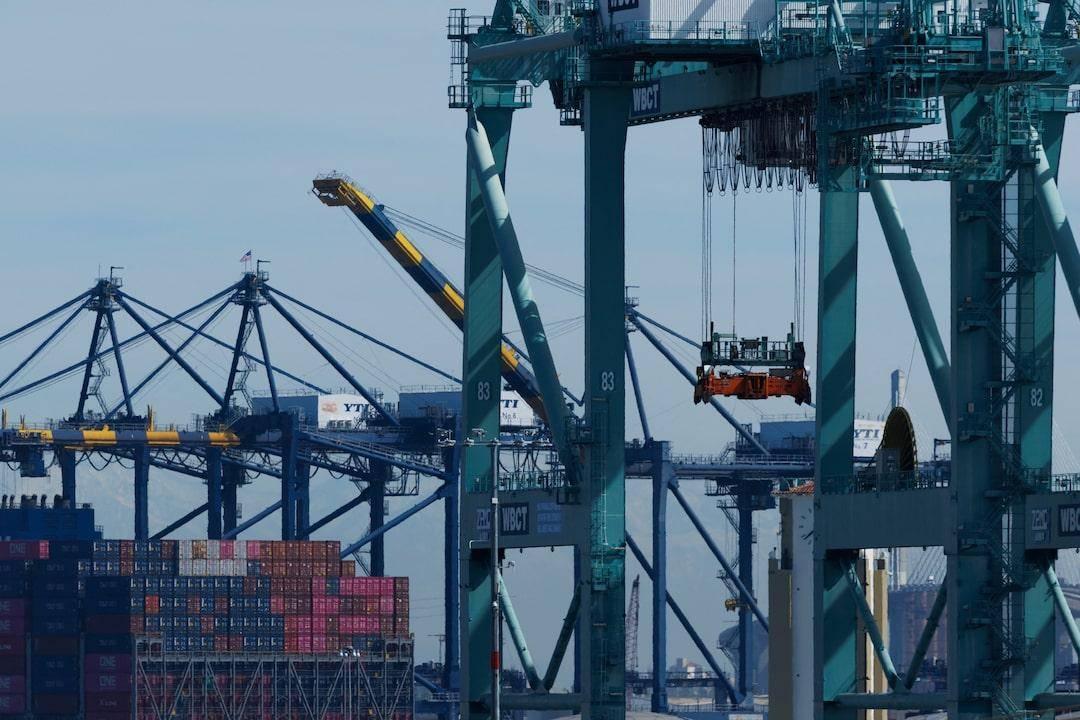
Most bulk zinc chloride leaves China by sea from a major port.
Shipping Zinc Chloride at a Glance
The five checks in one table
| # | Check | What to confirm | Red flag |
|---|---|---|---|
| 1 | Hazard classification | UN 2331, Class 8, Packing Group III | Supplier calls it “non-hazardous”. |
| 2 | Packaging and marking | UN-compliant, moisture-resistant bags with hazard labels | Plain unmarked bags |
| 3 | Export documents | COA, SDS/MSDS, invoice, packing list, dangerous-goods paperwork | Documents that do not match each other |
| 4 | Shipping terms and insurance | Clear Incoterm, named port, cargo insured | Vague “door to door” promises |
| 5 | Moisture protection | Sealed bags, dry container, desiccant or liner plan | No answer on humidity |
Who should read which part
- Owners and C-level buyers: focus on Checks 3 and 4, where money and legal risk sit.
- Technical staff: focus on Checks 1, 2 and 5, where safety and product quality sit.
Ready to Buy Zinc Chloride From a Verified Source?
Contact our team today for a quotation, sample, and delivery timeline.
Tina (Australia, Europe, North America)
WhatsApp Us for Free a Consultation
Why Shipping Zinc Chloride Is Different from Ordinary Cargo
Three facts shape everything about how this chemical must travel.
It is a dangerous good
Zinc chloride is classified as a Class 8 corrosive. It can cause severe skin burns and eye damage. Because of this, every shipping line and port handles it under dangerous-goods rules.
It absorbs moisture from the air.
Zinc chloride is highly deliquescent. That means it pulls water out of the air until it clumps or even turns wet. A sea container can be humid inside, so moisture is the biggest quality risk on the water.
It ships in bulk, so small errors get expensive.
A standard 20 ft container carries around 25 to 27 tons. One rejected container is a large loss, not a small one. That is why careful checks before loading are worth the time.
The same shipping rules apply to both grades. The purity limits for the 95% industrial grade and the 98% high-purity grade are set out in our grade specifications. Wherever you use the chemical, from galvanizing to water treatment, the industrial applications all start with the same safe delivery.
It also helps to know that first-time importers do this successfully. An Australian wastewater treatment case study involved a first-time importer buying 98% grade at 30 tons per month.
Check 1: Confirm the Hazard Classification
Start with the paperwork’s first line. Every document should describe the same product in the same way.
What the classification looks like
| Item | Zinc chloride (solid) |
|---|---|
| Proper shipping name | Zinc chloride, anhydrous |
| UN number | UN 2331 |
| Hazard class | Class 8 (corrosive) |
| Packing group | III |
| CAS number | 7646-85-7 |
You can check these details yourself on the NOAA CAMEO Chemicals record for UN 2331.
Why sea freight is the practical route
Air freight is possible for tiny quantities, but it is not built for bulk. Under the US hazardous materials table, for example, passenger aircraft are limited to 25 kg per package and cargo-only aircraft to 100 kg. Those limits make air freight impractical for tons of zinc chloride.
That is why bulk orders normally go by sea in full containers.
Solid or liquid: watch the UN number
- Solid (anhydrous) zinc chloride: UN 2331.
- Zinc chloride solution: UN 1840, Class 8.
If a quotation and a safety data sheet show two different UN numbers, stop and ask why.
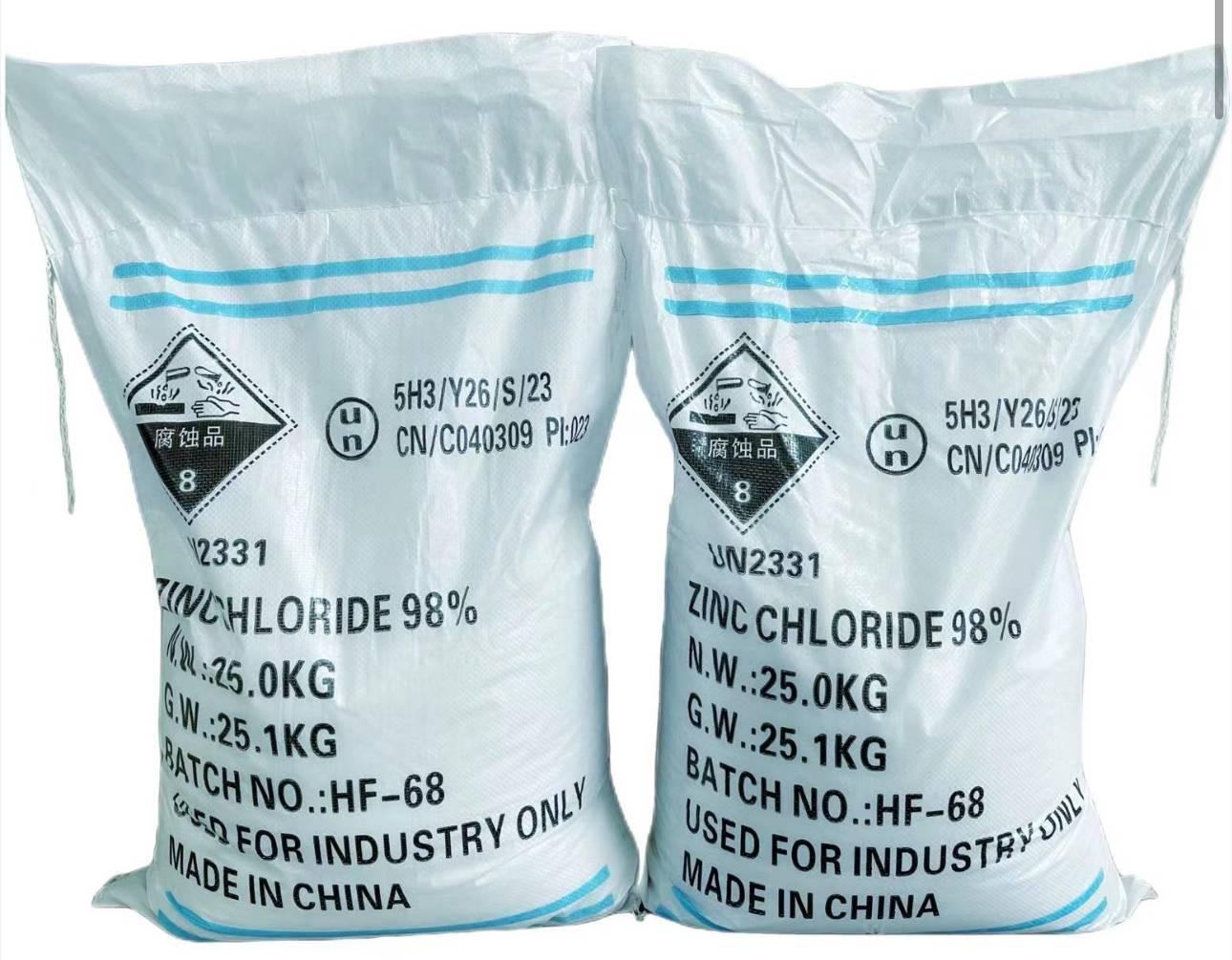
The UN 2331 mark on the bag must match the UN number on every document.
Check 2: Verify UN-Compliant Packaging and Marking
Correct packaging protects people and protects your product. It is also what a port inspector sees first.
Bag options and container loads
| Packaging | Approx. load per 20ft container |
|---|---|
| 25 kg bag, no pallet | 27 tons |
| 25 kg bag, with pallet | 25 tons |
| 1,000 kg jumbo bag, no pallet | 27 tons |
Our guide to zinc chloride packaging options explains when each format suits a plant. In general, 25kg bags suit manual handling. Jumbo bags suit plants with a forklift or hoist and large monthly use.
Labels and marks that should match your paperwork
- Product name and UN 2331 mark
- Class 8 corrosive hazard label
- Grade (95% or 98%), batch number and net weight
- Manufacturer or exporter name
Pallets or no pallets
Pallets make unloading easier, but they lower the tonnage in the container. Decide this before you order. It changes your cost per ton and your handling plan at the destination.
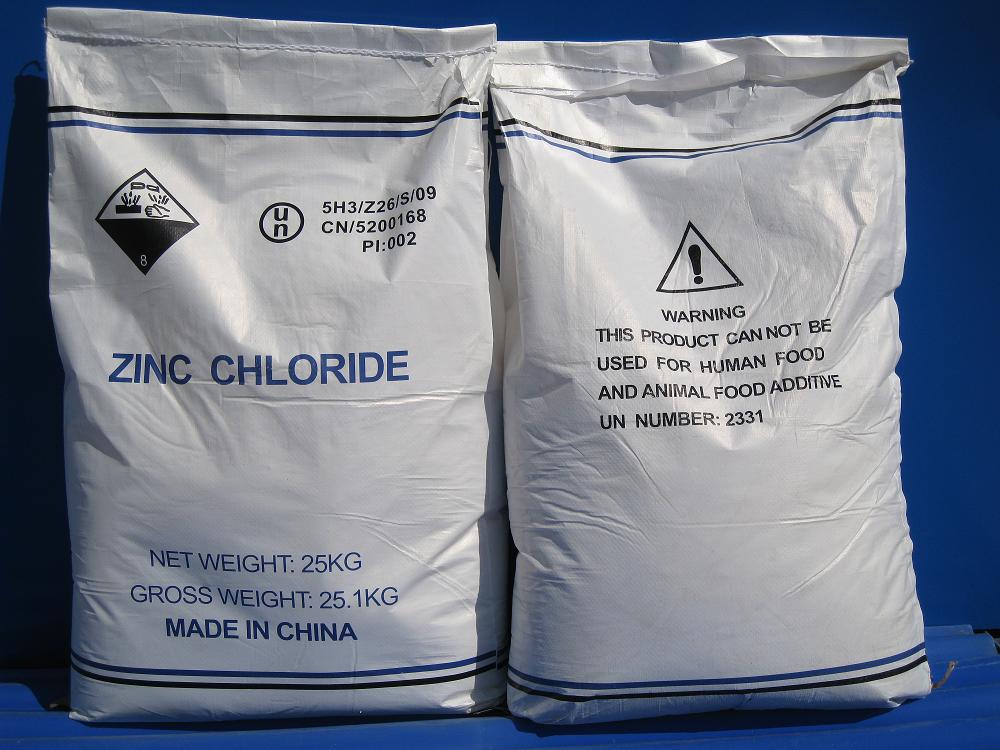
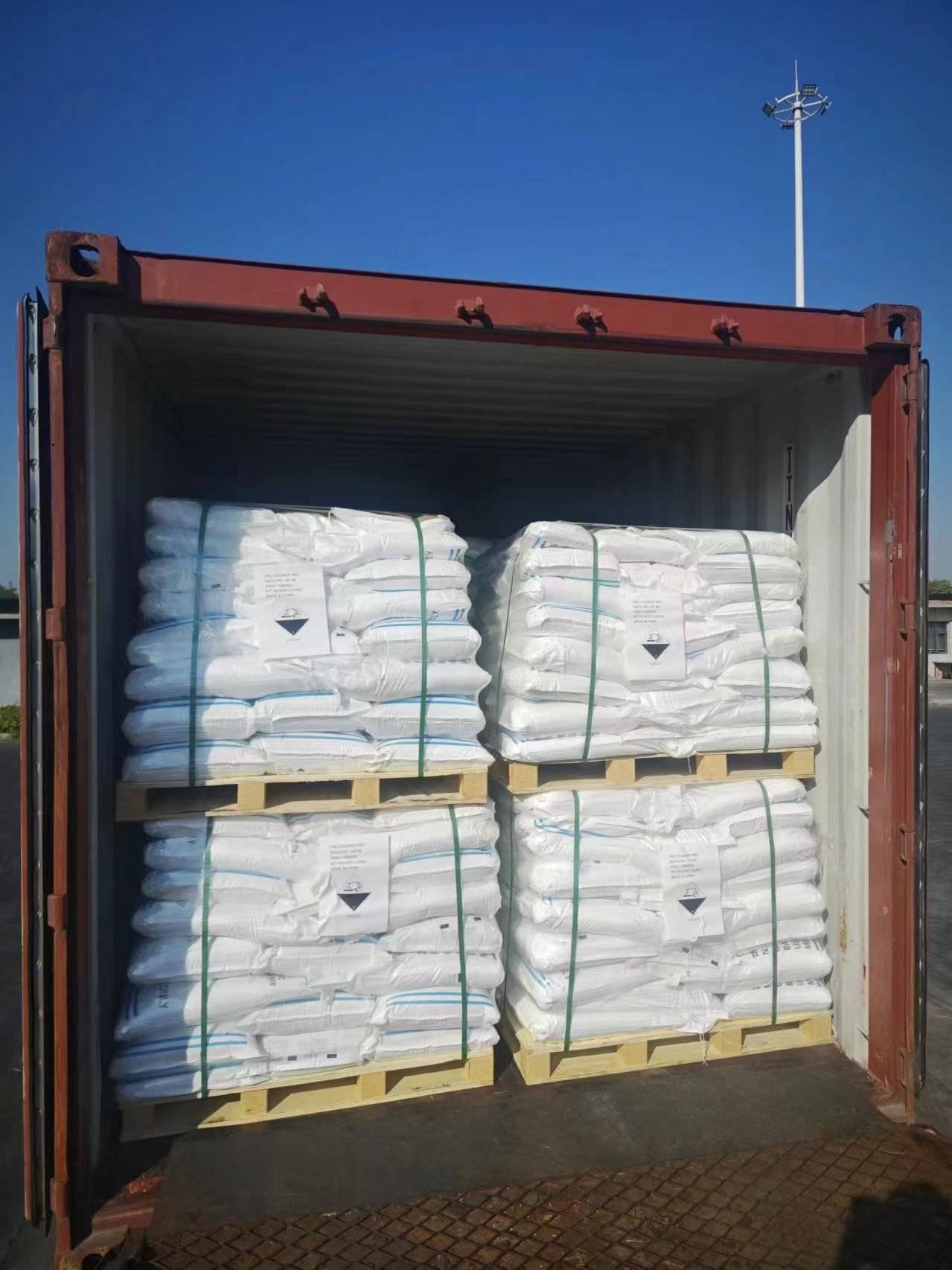
Clear hazard labels and specifications should be printed on every bag.
Technical Note
Zinc chloride solid ships as UN 2331, Class 8, Packing Group III, in moisture-resistant bags or jumbo bags. Ask for the packaging to be sealed and the labels to match the safety data sheet exactly. Carriers can refuse cargo that arrives without a valid safety data sheet, so confirm the document is ready before booking space.
WhatsApp Us for Free a Consultation
Check 3: Collect the Full Export Document Set
Documents are where most first-time imports go wrong. Incomplete or inaccurate paperwork is widely cited as a leading cause of customs delay.
The core documents
| Document | What it proves | Who needs it |
|---|---|---|
| Certificate of Analysis (COA) | Purity and impurity results for your batch | You and your quality team |
| Safety Data Sheet (SDS/MSDS) | Hazards, handling and emergency steps | Carrier, port, customs |
| Commercial invoice | Price, product, quantity | Customs |
| Packing list | Bag count, weights, pallets | Customs and carrier |
| Dangerous-goods declaration | The cargo is correctly classified | Shipping line |
| Bill of lading | Contract of carriage | You and your bank |
Match the details across every page
- Product name and grade are the same everywhere.
- Weights add up between the invoice and the packing list.
- The UN number is the same on the SDS, the bag and the declaration.
- The HS code on the invoice starts with 282739 for zinc chloride. Your customs broker should confirm the full code used in your country.
Destination-side papers
Some countries add their own checks. If you import into the EU, read our guide to REACH registration before you place an order. Some markets also ask for a Certificate of Conformity or pre-export verification, and this can carry an extra cost. Ask your supplier early which paperwork your country needs.
It also helps to review the certifications a supplier can actually show. Ours include REACH, ISO and SGS.
Decision-Maker Insight
A single mismatch between the invoice, the packing list and the safety data sheet can stop a container at the port. Port storage and container waiting charges then build up every day. Ask your supplier to send draft copies of all documents before the goods are loaded, and have your customs broker review them. This one habit protects your budget and your production schedule.
Ready to Buy Zinc Chloride From a Verified Source?
Contact our team today for a quotation, sample, and delivery timeline.
Nancy (Africa, Asia, South America)
WhatsApp Us for Free a Consultation
Check 4: Match the Shipping Terms and Insurance
Shipping terms decide who pays for what, and who carries the risk at each step.
FOB or CIF: a simple comparison
| Term | Seller handles | Buyer handles | Best for |
|---|---|---|---|
| FOB (Free on Board) | Loading onto the ship at the named port | Ocean freight, insurance, destination costs | Buyers with a trusted freight forwarder |
| CIF (Cost, Insurance, Freight) | Loading, ocean freight and basic insurance to your port | Import clearance and inland delivery | First-time importers who want a simpler start |
Our standard export terms are FOB Shanghai, with a typical lead time of 7 to 21 days. Camachem also ships on CIF terms, with insurance included.
Always insure the cargo
Under CIF terms, Camachem insures the cargo with global insurers. Under FOB, arrange your own cargo insurance. A dangerous-goods container that is damaged or delayed can cost far more than the premium.
Plan the container and the port
- Name the destination port clearly on the quotation.
- Confirm the shipping line accepts Class 8 cargo on your route.
- Book your customs broker before the ship sails, not after it arrives.
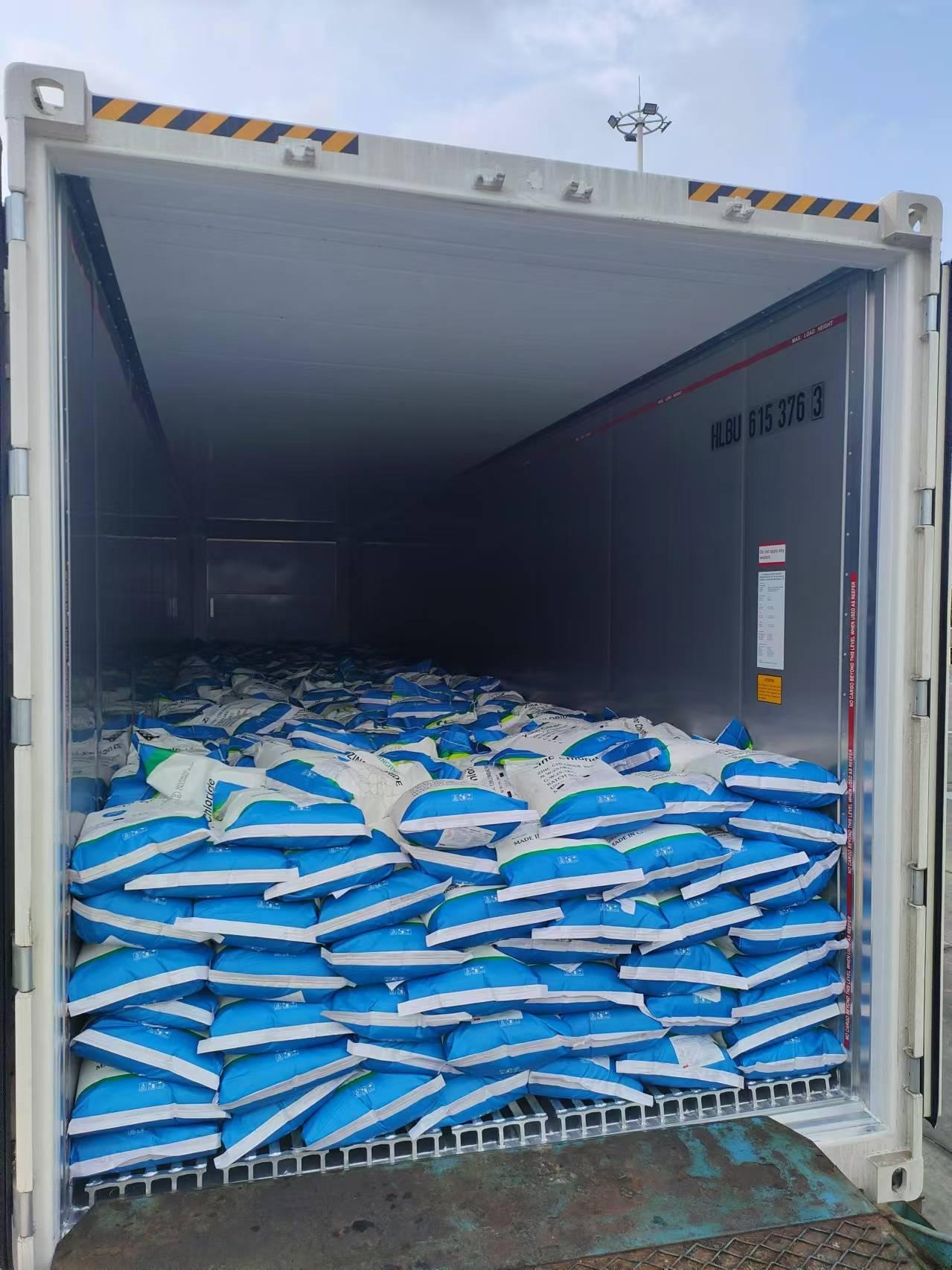
A properly loaded container keeps bags upright, dry and secure.
Check 5: Protect the Cargo from Moisture in Transit
Even with perfect paperwork, a wet container can ruin the product. This check protects the quality you paid for.
What is “container rain”?
Warm, humid air inside a steel container cools during the voyage. Water then condenses on the ceiling and walls and drips onto the cargo. Zinc chloride absorbs that moisture quickly and can cake.
What to ask your supplier
- Are the bags sealed and moisture-resistant?
- Will the container be dry and clean before loading?
- Will desiccants or a container liner be used?
- Are the bags stacked so they cannot tear or slip?
What to do when the container arrives
- Check the seal number against the bill of lading.
- Photograph the container before opening it.
- Move the bags to a dry, closed space quickly. Our guide to bulk storage for first-time importers covers this step by step.
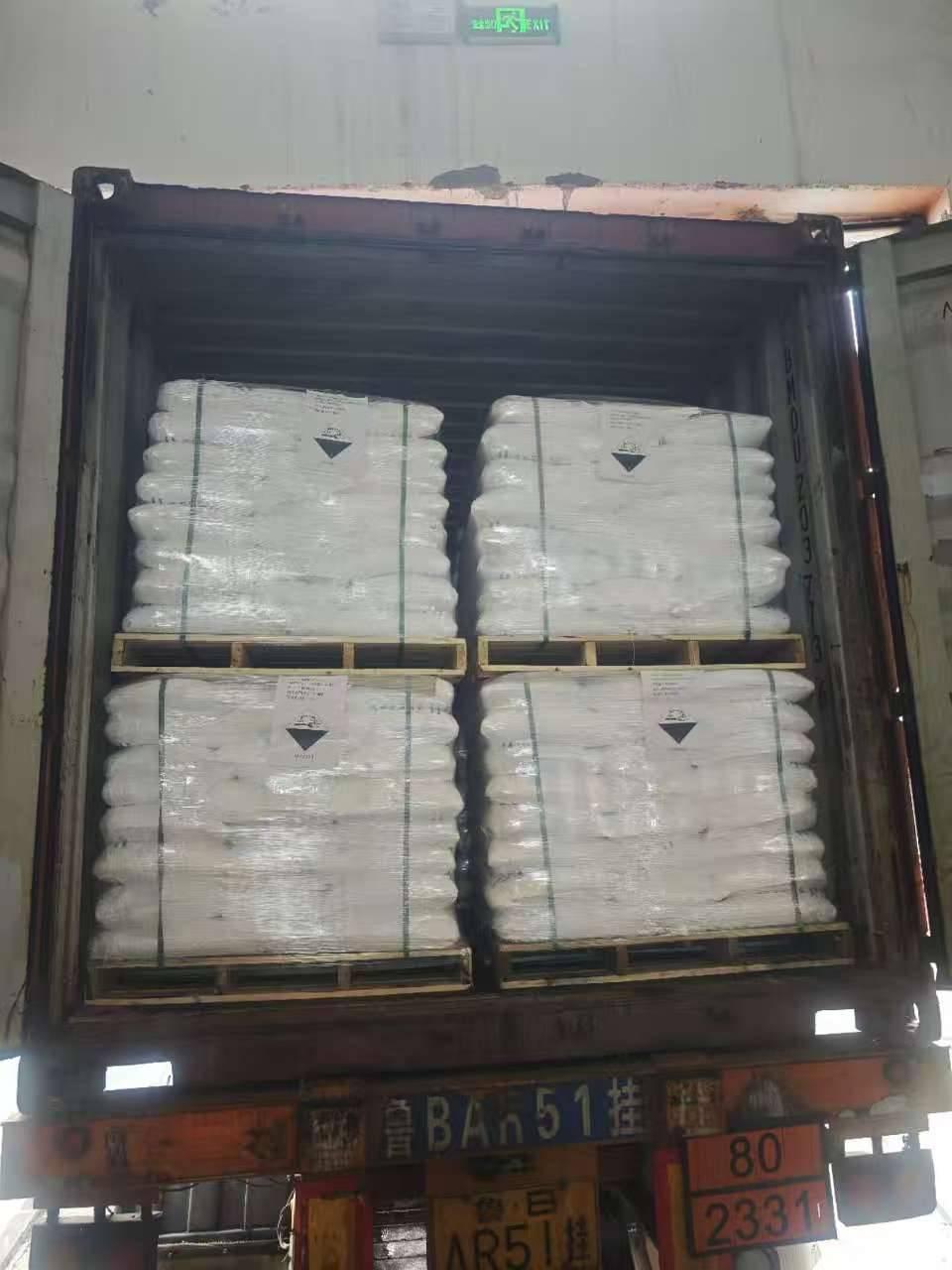
Pallets, tight stacking and dry packaging reduce damage on long sea routes.
Third-Party Inspection Before the Container Is Sealed
Paperwork tells you what a supplier says. Inspection shows you what is really in the container.
Independent testing and sealing
Camachem works with agencies such as SGS, Bureau Veritas, Intertek and CCIC. These agencies can visit the plant, review production, test the product in their own labs, issue reports and seal containers before export. This is the strongest answer to the question every first-time buyer asks: “How do I know what I ordered is what I get?”
Visit the factory if you can
We welcome qualified buyers to visit the factory and review production directly. A supplier who refuses visits or inspection is a warning sign. Our guide on telling a factory from a trading company shows what to look for.
Camachem, our parent brand, has exported industrial chemicals for years. You can read more about the wider range on the Camachem website.
Independent inspection and container sealing happen before the ship departs.
Your Shipping Zinc Chloride Checklist
Use this table when you review a quotation.
| Question to ask | Good answer | Warning sign |
|---|---|---|
| What is the UN number and class? | UN 2331, Class 8, PG III | No clear answer |
| What packaging is used? | Labeled, moisture-resistant bags or jumbo bags | Unmarked packaging |
| Can I see draft documents first? | Yes, before loading | “You will get them later” |
| Which Incoterm and port? | Named term and port | Vague delivery promise |
| Is cargo insured? | Yes, CIF or your own policy | Insurance is “not needed” |
| Is independent inspection possible? | Yes, SGS or similar | Refused |
Where to go next
If this is your first order from China, our first-time importer guide covers the full buying process. To avoid expensive errors, read the common first-time buyer mistakes before you sign a contract.
Good preparation makes loading day routine instead of stressful.
Ready to Buy Zinc Chloride From a Verified Source?
Contact our team today for a quotation, sample, and delivery timeline.
Tina (Australia, Europe, North America)
WhatsApp Us for Free a Consultation
Zinc Chloride in Industrial Applications: See It in Action!
Want to see how zinc chloride is used in a real industrial setting? Check out this short video. It demonstrates its crucial role in the metal treatment process.
Frequently Asked Questions About Shipping Zinc Chloride
Is zinc chloride a dangerous good to ship?
Yes. Solid zinc chloride is UN 2331, Class 8 (corrosive), Packing Group III. It must be packed, labeled and documented as dangerous goods.
Can zinc chloride be shipped by air?
Only in small quantities, and it needs full dangerous-goods handling. Air limits are low, so bulk orders normally go by sea in full containers.
What documents do I need for a 20ft container?
At minimum: COA, safety data sheet, commercial invoice, packing list, dangerous-goods declaration and bill of lading. Your country may ask for more, so check with your customs broker first.
Which shipping terms should a first-time importer choose?
FOB works well if you have a trusted freight forwarder. CIF is simpler for a first order because the supplier arranges freight and basic insurance to your port. Either way, make sure the cargo is insured.
How do I stop zinc chloride caking in transit?
Use sealed, moisture-resistant bags, a dry container, and desiccants or a liner. Unload quickly and store the bags in a dry, closed space.
Can I get a sample before a bulk order?
Yes. Samples of 500g to 1kg are available for pre-bulk testing. Even small samples are still dangerous goods, so they must be packed and shipped correctly.
Conclusion
Shipping zinc chloride safely comes down to five habits: confirm the UN 2331 classification, insist on compliant packaging, collect matching documents, agree clear shipping terms with insurance, and protect the cargo from moisture. Add independent inspection, and you remove most of the guesswork from a first import.
A supplier who welcomes these checks is showing you it has done this many times before. That is the real proof of trust for a first-time importer.
Industrial Buyers: Next Steps for Sourcing Bulk Zinc Chloride
What makes our Zinc Chloride Better:
✅ Compliant with EU, UN, ISO Standards – No Legal Headaches
✅ Guaranteed Purity – Stability for your Processing Plant
✅ Batch-Specific COA Provided – Full Transparency per Shipment.
Download Our EU-approved FREE COA & Specifications. Specifications Page