



Handling zinc chloride safely is not hard, but it is not optional. It is a corrosive solid that burns skin, irritates lungs and pulls water out of the air. A plant that skips training on day one usually learns the lesson from an injury, a spill or a ruined batch.
This guide gives owners and technical teams seven rules to put in place before the first delivery arrives. It is written for industrial plants, such as galvanizing, battery, water treatment and chemical operations, that receive bulk bags. It is not a lab manual.
Rules are only as good as the supplier behind them. So the last section covers what to ask before you order.
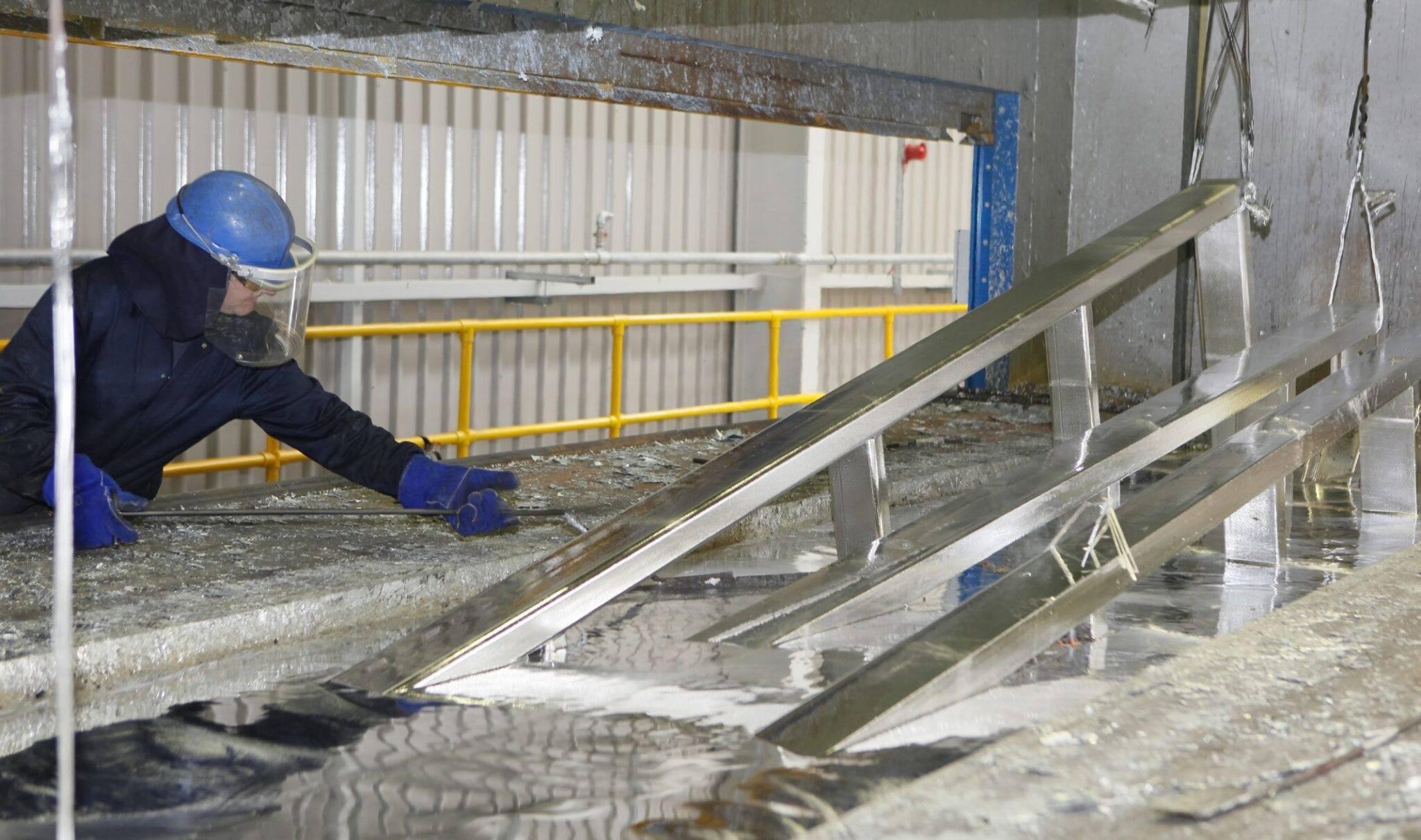
In a galvanizing line, operators handle zinc chloride every shift.
Handling Zinc Chloride at a Glance
The seven rules in one table
| # | Rule | What it protects |
|---|---|---|
| 1 | Train every operator on the safety data sheet | People |
| 2 | Wear the right protective equipment | Skin, eyes, lungs |
| 3 | Control dust and moisture when opening bags | Lungs and product quality |
| 4 | Dissolve it the safe way | People and equipment |
| 5 | Keep incompatible materials apart | Plant safety |
| 6 | Prepare first aid and spill response in advance | People |
| 7 | Protect drains and dispose of waste correctly | Environment and compliance |
Who should own each rule
- Owners and C-level buyers: Rules 1, 6 and 7 carry legal and cost risk.
- Technical staff: Rules 2 to 5 shape daily operating procedures.
Ready to Buy Zinc Chloride From a Verified Source?
Contact our team today for a quotation, sample, and delivery timeline.
Tina (Australia, Europe, North America)
WhatsApp Us for Free a Consultation
Why Handling Zinc Chloride Needs Its Own Safety Plan
Three properties drive every rule in this guide.
The hazards in plain terms
| Property | What it means for your plant |
|---|---|
| Corrosive (UN 2331, Class 8, Packing Group III) | Causes severe skin burns and eye damage |
| Harmful if swallowed | Needs clear rules on food, drink and hygiene |
| Very toxic to aquatic life | Spills and rinse water must never reach drains |
| Highly deliquescent | Absorbs moisture, cakes and turns wet |
| Acidic when dissolved | Attacks many common metals |
These hazards come from the standard classification for zinc chloride, and they apply to both the 95% industrial grade and the 98% high-purity grade. You can read the full record on the NOAA CAMEO Chemicals datasheet. Symptoms of overexposure include irritation of the eyes, nose and throat, coughing and skin burns.
Why plants get caught out
Most incidents happen with routine tasks, such as opening a bag, mixing a tank or cleaning up a small spill. Because zinc chloride looks like harmless white salt, workers underestimate it.
The grade you buy is set out in our grade specifications, and the industrial applications show where each grade is used. The safety rules stay the same across all of them.
Good habits also help first-time importers. An Australian wastewater treatment case study shows how a first-time importer started with 98% grade at 30 tons per month.
Rule 1: Train Every Operator on the Safety Data Sheet
Nobody should open a bag before they have read the safety data sheet (SDS). Official hazard guidance says workers should be trained in proper handling before they work with zinc chloride.
What training should cover
- The hazard warnings: harmful if swallowed, severe skin burns and eye damage, and very toxic to aquatic life
- The UN number and class printed on every bag
- Where the first-aid station, eyewash and shower are
- Who to call in an emergency
Check labels on arrival
Every bag should show the product name, the UN 2331 mark, the Class 8 label, the grade and the batch number. If a label is missing or damaged, set that bag aside and tell your supplier.
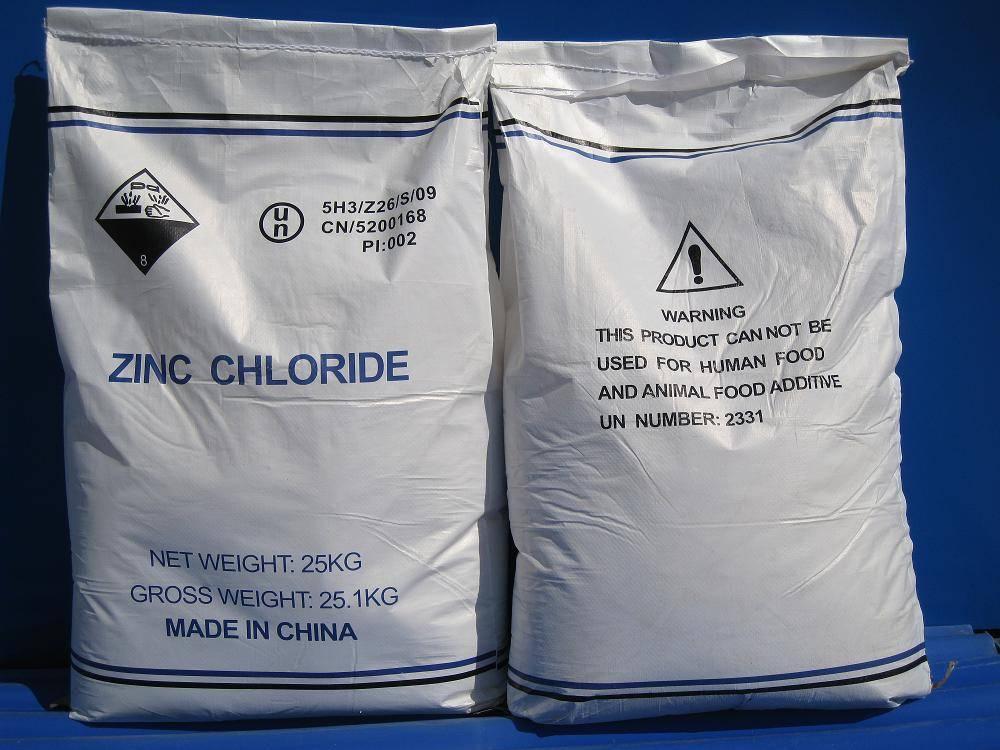
Hazard labels on the bag tell your team what they are handling.
Technical Note
Zinc chloride ships as UN 2331, Class 8, Packing Group III. In GHS terms it is classified for acute oral toxicity (H302), severe skin burns and eye damage (H314), and acute and chronic aquatic toxicity. Keep the current SDS at the point of use, not only in an office file, and update it when you receive a new batch document.
Rule 2: Wear the Right Protective Equipment
The standard precaution on safety data sheets is protective gloves, protective clothing and eye protection. Skin burns are the most common injury.
The minimum kit
| Body area | Protection to use |
|---|---|
| Hands | Chemical-resistant gloves |
| Eyes and face | Chemical splash goggles, plus a face shield when pouring or mixing |
| Body | Protective clothing that covers arms and legs |
| Lungs | A respirator when dust cannot be controlled, as your SDS specifies |
| Feet | Closed, chemical-resistant footwear |
Remove contaminated clothing quickly
If zinc chloride gets on clothing, take it off at once and rinse the skin. Wash the clothing before it is worn again. Do not let workers take contaminated overalls home.
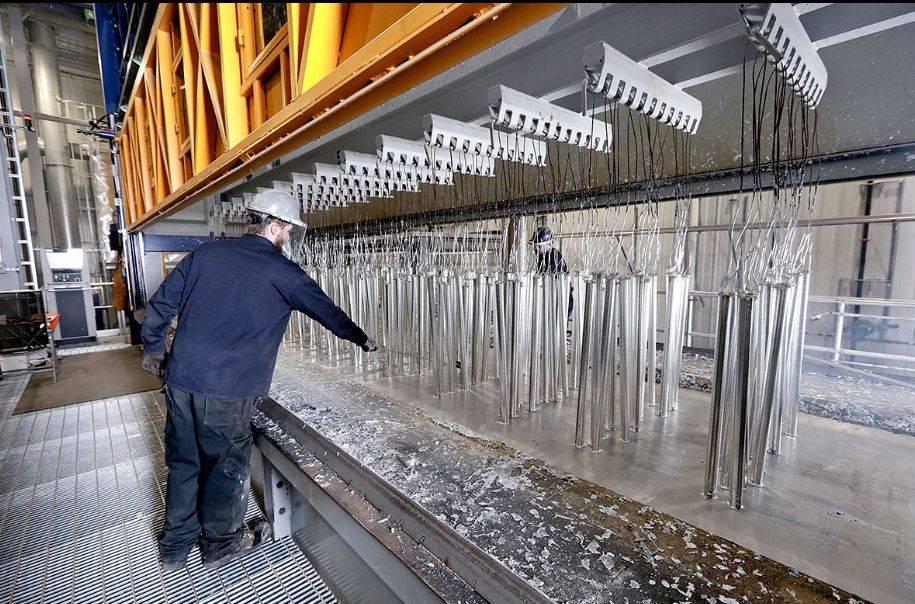
Operators near zinc chloride solutions need eye and skin protection at all times.
Rule 3: Control Dust and Moisture When Opening Bags
Handling zinc chloride powder means dealing with dust and moisture the moment a bag is cut open.
Keep dust low
Zinc chloride powder irritates the nose, throat and lungs. Open bags in a ventilated area, cut them carefully and pour slowly instead of dropping the contents. Sweep spilled powder up straight away.
Keep moisture out
The product is highly deliquescent. It absorbs water from the air until it clumps or turns wet. That reduces the active zinc chloride you actually dose and makes the material harder to handle.
- Open only the bags you plan to use.
- Reseal partly used bags tightly.
- Keep the bag area dry.
Our guide to bulk storage for first-time importers covers how to store full bags before use.
25kg bags or jumbo bags
Manual handling suits 25kg bags. Large plants often prefer 1,000kg jumbo bags with lifting equipment, which cuts handling but needs trained operators. Our guide to zinc chloride packaging options compares the two.
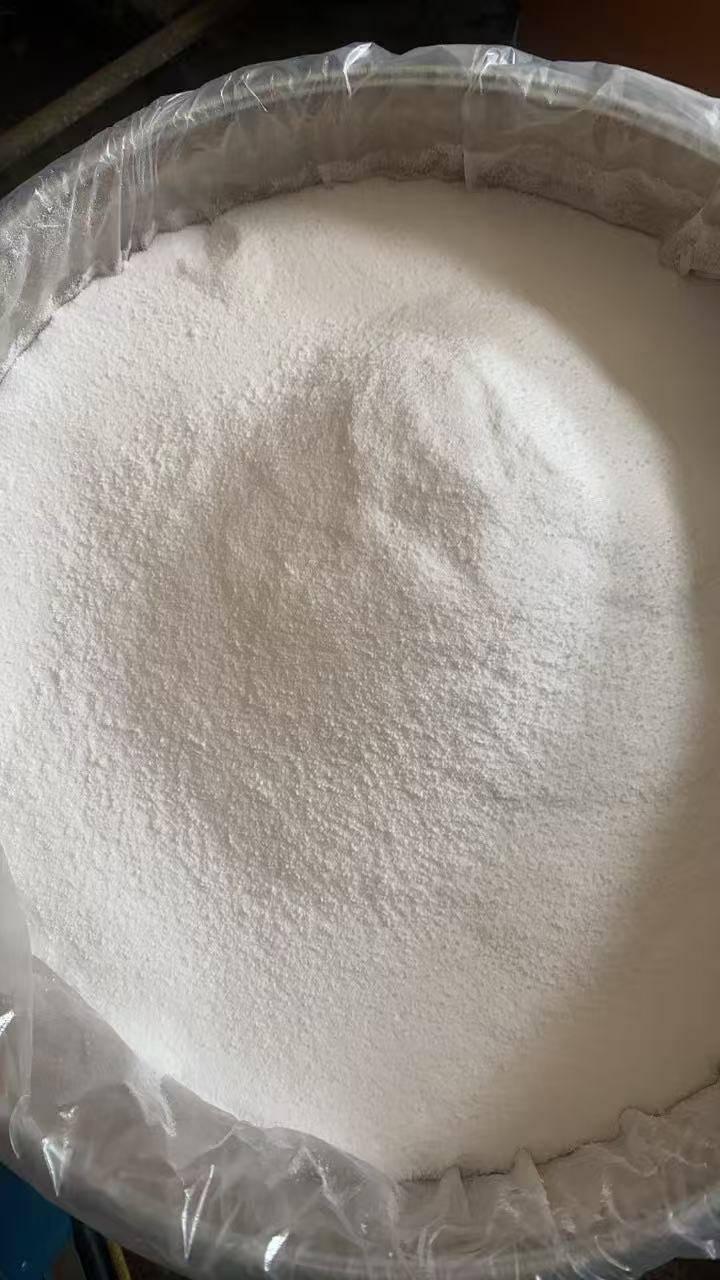
Plastic-lined containers help keep moisture away from the powder.
Rule 4: Dissolve Zinc Chloride the Safe Way
Making up a solution is where the acid hazard appears.
What to expect
Zinc chloride is highly soluble in water. Dissolving it releases heat, and the solution is acidic. Add the solid slowly to the water while stirring, and never the other way around. Never make up a solution in a sealed container.
Choose the right materials
Zinc chloride and its fumes are corrosive to many metals. Industry sources list aluminum, brass, carbon steel and cast iron as poor choices. Use plastic, glass or properly lined equipment for tanks, pipes and dosing lines.
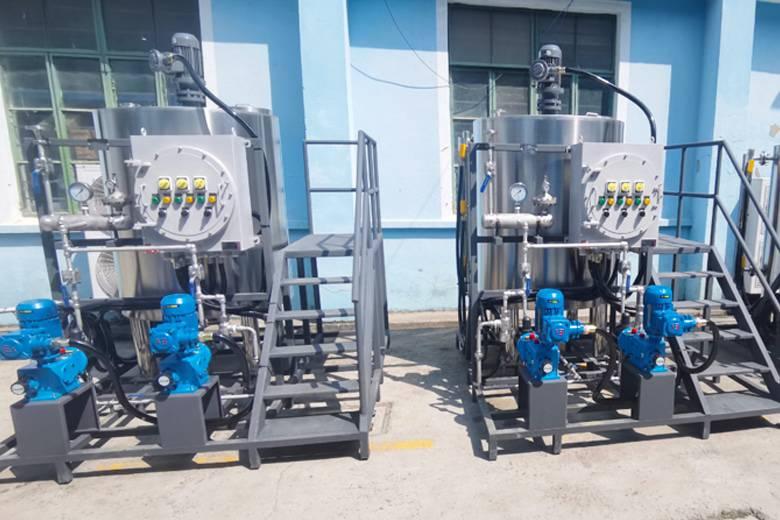
Confirm that every wetted part of a dosing system suits acidic zinc chloride.
Decision-Maker Insight
Wrong materials cost more than protective equipment. A corroded tank or pump means downtime, replacement parts and possible leaks. Confirm equipment compatibility before you order, and ask your supplier for the concentration and pH data you need.
Ready to Buy Zinc Chloride From a Verified Source?
Contact our team today for a quotation, sample, and delivery timeline.
Nancy (Africa, Asia, South America)
WhatsApp Us for Free a Consultation
Rule 5: Keep Incompatible Materials Apart
Handling zinc chloride safely also means knowing what it reacts badly with, so storage and process layouts must keep those substances separate.
What not to mix
| Keep away from | Why |
|---|---|
| Potassium | Can react violently or explosively |
| Cyanides and sulfides | Incompatible |
| Strong oxidizers (chlorates, nitrates, peroxides, permanganates, chlorine) | Incompatible; risk of fire or explosion |
| Strong bases (sodium hydroxide, potassium hydroxide) | Incompatible |
| Common metals (aluminum, brass, carbon steel, cast iron) | Corroded by zinc chloride |
You can confirm these incompatibilities in the New Jersey hazardous substance fact sheet for zinc chloride.
Label everything
Label every container, day tank and transfer line with its contents and hazard. Unlabelled containers are how incompatible materials end up together.
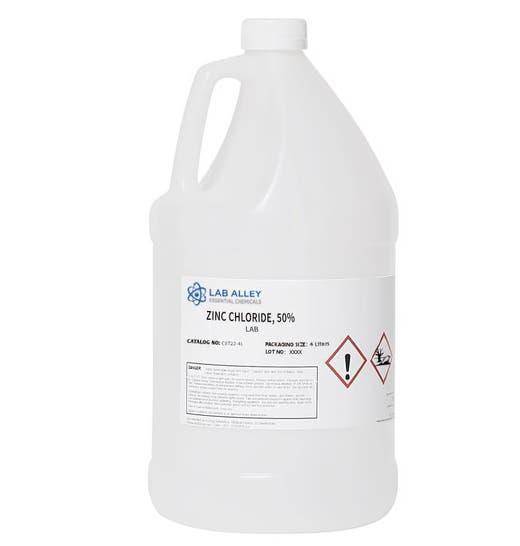
A clear label prevents mix-ups between zinc chloride and incompatible chemicals.
Rule 6: Prepare First Aid and Spill Response in Advance
The time to plan a response is before anyone is hurt. The steps below follow typical safety data sheet guidance. Always follow the SDS supplied with your shipment and local regulations.
First aid at a glance
| Exposure | First response |
|---|---|
| Eyes | Rinse with plenty of water for at least 15 minutes, then get medical attention immediately |
| Skin | Remove contaminated clothing, rinse with plenty of water for at least 15 minutes, seek medical help |
| Inhalation | Move to fresh air; get medical help if breathing is difficult |
| Swallowed | Rinse the mouth, do not induce vomiting, get medical help at once |
Small spill cleanup
- Wear full protective equipment.
- Sweep or vacuum the powder into a suitable, sealed container.
- Wash the area with soap and water.
- Keep spilled material and wash water out of drains.
Fire
Zinc chloride does not burn. In a fire, however, heat can release irritating and toxic gases, so firefighters need breathing apparatus. Keep containers cool with water spray if they are exposed to fire.
Rule 7: Protect Drains and Dispose of Waste Correctly
Zinc chloride is classified as very toxic to aquatic life with long-lasting effects. It is treated as a severe marine pollutant, so drains and waterways need protection.
Keep it out of the environment
- Do not wash spills or rinse water into floor drains.
- Store waste bags and sweepings in sealed, labelled containers.
- Send waste to an approved disposal facility.
Know your waste rules
Local rules on disposal differ by country. Confirm them with your environmental officer before the first order arrives. Galvanizing plants should also plan for spent flux, which can be costly to dispose of as hazardous waste.
Water treatment operators face a further step, because the process itself is aimed at cleaner discharge. Our guide to zinc chloride in water treatment explains how dosing works.
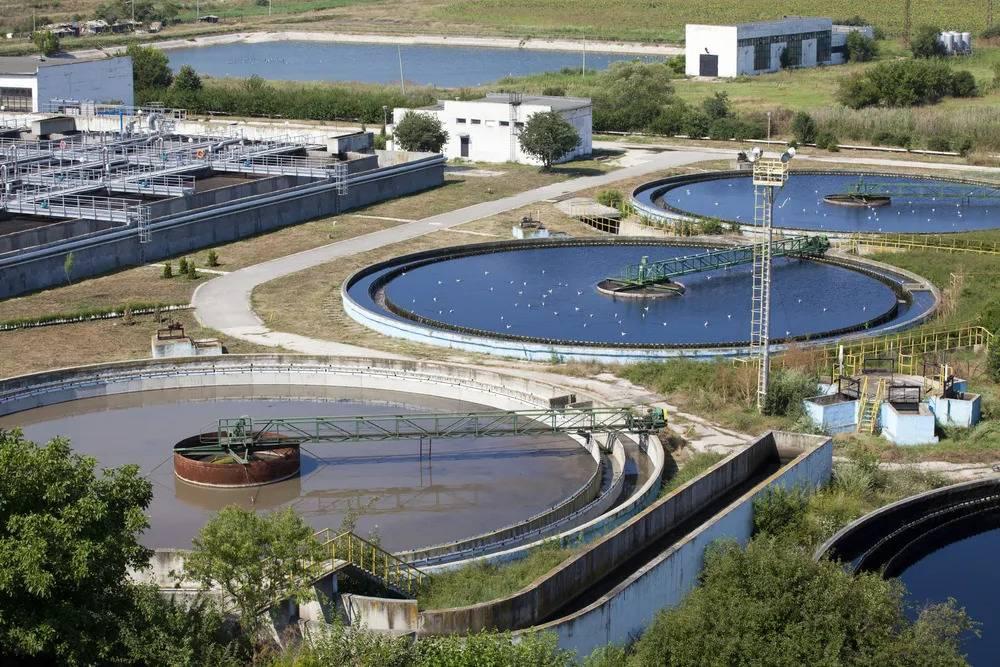
Good handling keeps zinc chloride out of wastewater and nearby waterways.
What to Ask Your Supplier Before the First Delivery
A safe plant starts with a supplier that makes safety easy. Ask these questions before you order.
The safety questions
- Will you send the SDS and a batch COA before shipment? Both are available as a free download on our specifications page.
- Are bags moisture-resistant, UN-compliant and labelled with hazard marks?
- Can I test a sample first? We provide 500g to 1kg samples for pre-bulk testing.
- Which certifications can you show? Ours include REACH, ISO and SGS. See our certifications guide.
- If I import into the EU, is the product REACH registered? Read our guide to REACH registration.
Choose a factory, not a middleman
Plants that handle hazardous chemicals should know exactly who made them. We welcome factory visits, and our guide to telling a factory from a trading company shows what to check. Camachem, our parent brand, has years of chemical export experience. You can read more on the Camachem website.
If this is your first import, our first-time importer guide explains the full process.
Your Zinc Chloride Handling Checklist
| Check | Done when |
|---|---|
| Training | Every operator has read the SDS |
| Protective equipment | Gloves, goggles, clothing and respirator available |
| Bag opening | Ventilated area, slow pouring, bags resealed |
| Dissolving | Solid added to water, compatible equipment |
| Incompatibles | Separate storage and clear labels |
| First aid and spills | Eyewash, shower and cleanup kit in place |
| Waste | Approved disposal route confirmed |
Ready to Buy Zinc Chloride From a Verified Source?
Contact our team today for a quotation, sample, and delivery timeline.
Tina (Australia, Europe, North America)
WhatsApp Us for Free a Consultation
Zinc Chloride in Industrial Applications: See It in Action!
Want to see how zinc chloride is used in a real industrial setting? Check out this short video. It demonstrates its crucial role in the metal treatment process.
Frequently Asked Questions About Handling Zinc Chloride
Is zinc chloride dangerous to handle?
Yes. It is classified as corrosive and causes severe skin burns and eye damage. It is also harmful if swallowed and very toxic to aquatic life. With training and protective equipment, plants handle it safely every day.
What protective equipment do I need for zinc chloride?
At minimum: chemical-resistant gloves, eye protection and protective clothing. Add a face shield for pouring and mixing, and a respirator if dust cannot be controlled. Your SDS gives the final requirements.
What should I do if zinc chloride gets in my eyes or on my skin?
Rinse with plenty of water for at least 15 minutes, remove contaminated clothing and get medical attention immediately.
Can zinc chloride catch fire?
No, it is not combustible. Heat from a nearby fire can still release irritating and toxic gases, so use breathing apparatus and keep containers cool.
How do I clean up a zinc chloride spill?
Wear protective equipment, sweep or vacuum the powder into a sealed container, wash the area with soap and water, and keep everything out of drains.
Can I get a sample before a bulk order?
Yes. Samples of 500g to 1kg are available for pre-bulk testing. Use the same protective equipment for samples as for bulk material.
Conclusion
Handling zinc chloride safely comes down to seven habits: train your team, wear the right protective equipment, control dust and moisture, dissolve it correctly, separate incompatibles, plan for first aid and spills, and protect drains. None of them is expensive. All of them are cheaper than one injury or one rejected discharge.
A supplier that sends the SDS and COA early, labels its bags clearly and welcomes factory visits is showing you how it works. That is the best trust signal a first-time importer can get.
Industrial Buyers: Next Steps for Sourcing Bulk Zinc Chloride
What makes our Zinc Chloride Better:
✅ Compliant with EU, UN, ISO Standards – No Legal Headaches
✅ Guaranteed Purity – Stability for your Processing Plant
✅ Batch-Specific COA Provided – Full Transparency per Shipment.
Download Our EU-approved FREE COA & Specifications.[Specifications Page]