


If you’re comparing zinc chloride vs zinc sulfate for an industrial process, you’ve probably noticed the internet gives you two very different answers depending on which industry you search from. That’s because these are two genuinely different compounds, doing different jobs, sold into different markets. One mix-up on a purchase order, and you could end up with the wrong chemical entirely.
This guide breaks down the real chemistry, the real applications, and the one place these two compounds actually overlap — so you can order with confidence, not guesswork.
Quick Comparison: Zinc Chloride vs Zinc Sulfate at a Glance

Zinc chloride’s grade-specific spec sheet — the starting point for any bulk order
| Property | Zinc Chloride (ZnCl₂) | Zinc Sulfate (ZnSO₄) |
| CAS Number | 7646-85-7 | 7733-02-0 |
| Appearance | White crystalline granules or pearls | Colorless crystals or white powder |
| Solubility in water | Extremely high; deliquescent (absorbs moisture from air) | High, but not deliquescent |
| Solution pH | Acidic | Near-neutral to mildly acidic |
| Common industrial grades | 95% Industrial, 98% High Purity | Monohydrate, heptahydrate |
| Core industrial role | Lewis acid catalyst, dehydrating agent, flux | Coagulant aid, micronutrient source |
| Hazard classification | UN 2331, Class 8 (corrosive) | Generally lower hazard, not UN 2331 |
A Note on Chemistry
Both compounds are simple zinc salts, but they come from different acids. Zinc chloride is the zinc salt of hydrochloric acid; zinc sulfate is the zinc salt of sulfuric acid. That single difference explains almost every practical gap between them — solubility behaviour, corrosivity, and which industries reach for which one.
Ready to Buy Zinc Chloride From a Verified Source?
Contact our team today for a quotation, sample, and delivery timeline.
WhatsApp Us for Free a Consultation
What Is Zinc Chloride?
Zinc chloride appears as white crystalline granules or pearls. It’s highly deliquescent and extremely soluble in water, forming an acidic solution. Full technical parameters for both purity grades are listed in our zinc chloride specifications, including impurity limits for iron, sulfate, and heavy metals.
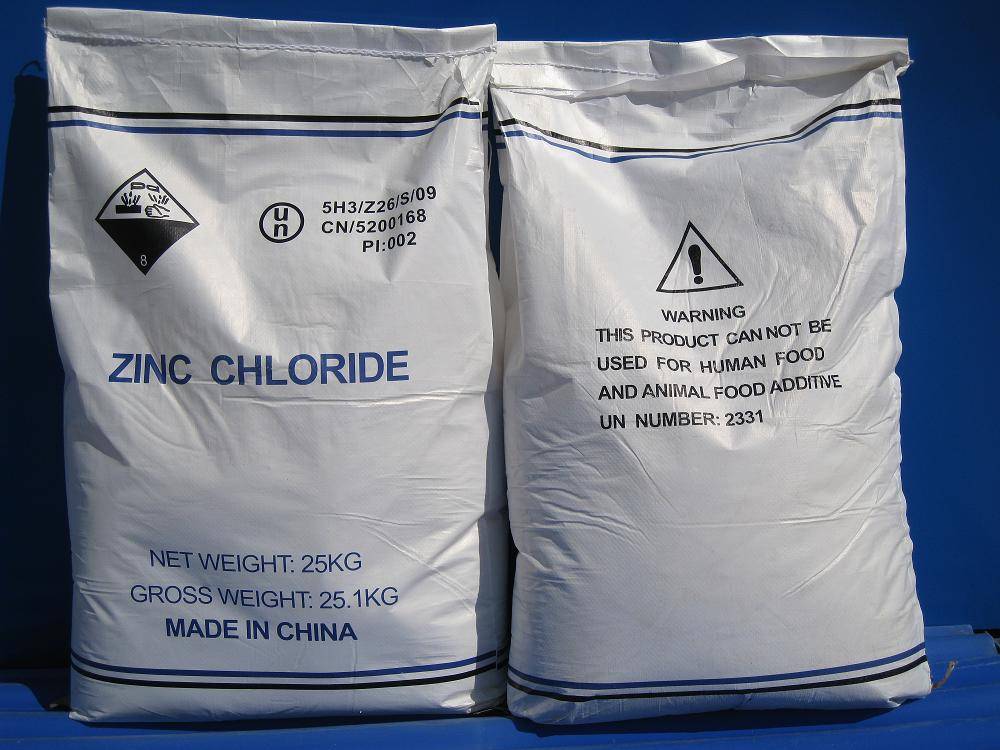
95% Industrial Grade covers most metal processing and general industrial needs
Where Zinc Chloride Is Actually Used
Based on real segment data across our buyer base:
- Metal Processing & Galvanizing (~13.5%) — acts as a flux, removing oxides so zinc coatings adhere properly in hot-dip galvanizing
- Chemical Synthesis & Catalysis (~22.5%) — a Lewis acid catalyst and dehydrating agent in organic synthesis, including pharmaceutical intermediates. Read more in our guide to zinc chloride as a catalyst
- Battery Manufacturing (~17.5%) — a high-purity electrolyte component in dry cell battery production
- Water Treatment & Environmental (~27.5%) — the largest single segment; more on this below
- Oil & Gas (~9%) — stabilizes clay in drilling fluids
- Textile & Fiber Processing (~7%), Rubber & Vulcanization (~4.5%), Paper & Pulp (~3.5%)
Technical Note: Grade selection isn’t arbitrary. 95% Industrial Grade suits metal processing, oil and gas, textiles, rubber, and paper — applications where cost efficiency matters more than trace-impurity control. 98% High Purity is required for battery manufacturing, chemical synthesis, and premium water treatment, where iron and heavy-metal limits are far tighter (98% grade caps iron at 0.001% versus 0.05% for 95% grade). If you’re unsure which grade your process needs, our breakdown of zinc chloride 95% vs 98% walks through the decision in more detail.
What Is Zinc Sulfate?
Zinc sulfate is a different animal entirely. It’s a colorless crystalline compound, most commonly supplied as a monohydrate or heptahydrate, and it doesn’t share zinc chloride’s deliquescent, highly acidic profile.
Where Zinc Sulfate Is Actually Used
Zinc sulfate’s dominant markets sit outside our buyer base:
- Agricultural fertilizer, correcting zinc deficiency in soil
- Animal feed micronutrient supplementation
- A mordant in dyeing and viscose rayon manufacturing
- Zinc electrowinning, as an intermediate in producing metallic zinc from ore
- Limited use as a coagulant aid in some water treatment setups
If your project is agricultural or nutritional zinc sulfate, this isn’t the right supplier relationship for you, and we’d rather tell you that plainly than waste your time.
Key Differences That Actually Matter for Bulk Buyers
Reactivity and Handling
Zinc chloride’s acidity and corrosiveness mean it ships under UN 2331 and Class 8 hazmat rules in moisture-resistant packaging; typically 25 kg or 50 kg bags or 1,000 kg jumbo bags for large orders. Zinc sulfate generally ships without that hazard classification, which simplifies logistics but also means the two aren’t interchangeable in processes that specifically need zinc chloride’s acidity or dehydrating action.
Cost and Sourcing from China
Zinc chloride and zinc sulfate are priced and sourced differently in the Chinese export market. Zinc chloride production clusters around specific chemical manufacturing zones with port access for bulk container shipping, while zinc sulfate is more commonly tied to fertilizer-grade production chains. Comparing “price per ton” across the two compounds in isolation is misleading — you’re really comparing two different supply chains.
Purity Requirements
Because zinc chloride’s high-value uses (battery manufacturing, chemical synthesis) demand tight impurity control, the gap between “cheap” and “certified” zinc chloride is wide. Zinc sulfate’s agricultural end use tolerates more variance. This is one reason first-time buyers should never choose a zinc chloride supplier on price alone — the certifications your supplier can actually produce matter more.
Where the Two Overlap: Water Treatment
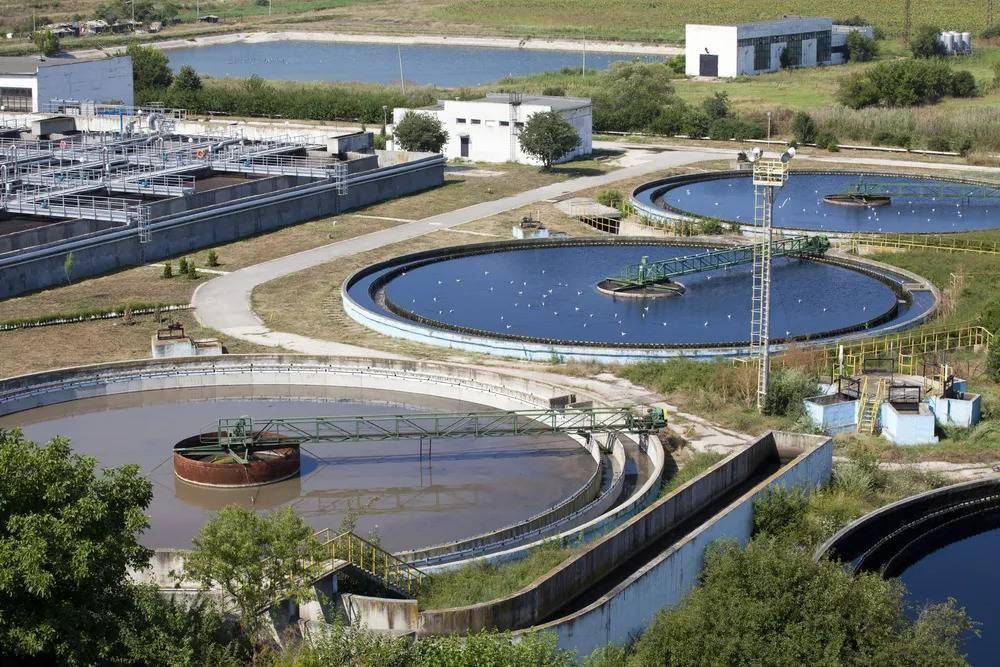
Water treatment is the one segment where zinc chloride and zinc sulfate genuinely compete
Water treatment is the single application where a buyer might legitimately weigh one against the other. But even here, the mechanisms differ: zinc chloride is used to precipitate and remove heavy-metal contaminants and to prevent rust in metal piping and equipment, while zinc sulfate sometimes functions as a coagulant aid in a different part of the treatment process. Full detail on the water treatment use case is in our guide to zinc chloride for water treatment.
This isn’t theoretical. A municipal water authority in Brazil switched to our 95% Industrial Grade zinc chloride specifically for heavy-metal removal, and now orders 100 tons twice a year on a repeat basis. Separately, an industrial wastewater operation in Australia moved to our 98% High Purity grade for advanced effluent detoxification under a critical supply contract. Both of these are real, ongoing accounts — see the full success stories for details.
Which One Should You Choose?
If You Should Choose Zinc Chloride
- You need a Lewis acid catalyst or dehydrating agent for chemical synthesis
- You’re galvanizing or processing metal and need an effective flux
- You’re formulating a dry cell battery electrolyte
- You need heavy-metal removal or rust prevention in water treatment
- Your process requires UN 2331-compliant hazmat handling anyway
If Zinc Sulfate Is the Better Fit
- Your end use is agricultural (fertilizer, soil zinc correction)
- You’re supplementing animal feed
- You need a dyeing mordant for textile or viscose production
- Cost and hazmat-free shipping outweigh the need for zinc chloride’s specific reactivity
Decision-Maker Insight: The real risk in this decision isn’t picking the wrong chemical on paper — it’s picking the right chemical from the wrong supplier. A first-time importer choosing zinc chloride for a battery or chemical synthesis application has zero margin for impurity surprises. Ask for a batch-specific Certificate of Analysis before committing to a bulk order, not after.
Ready to Buy Zinc Chloride From a Verified Source?
Contact our team today for a quotation, sample, and delivery timeline.
WhatsApp Us for Free a Consultation
Bulk Procurement Checklist Before You Order

UN 2331-compliant packaging is one of the first things to verify with a new supplier
- Confirm the grade, not just the compound. “Zinc chloride” alone tells a supplier nothing about your impurity tolerance.
- Request real certifications — ISO 9001, SGS, REACH, and a batch-specific COA and MSDS, not a generic product sheet.
- Check packaging compliance. UN 2331, Class 8 packaging in moisture-resistant 25kg or 50kg bags (or 1,000kg jumbo bags for volume orders) protects against the deliquescence that ruins improperly stored zinc chloride.
- Order a sample before bulk. A 500g–1kg sample lets you verify purity against your own process before committing to a container.
- Ask about factory visits. A legitimate manufacturer, not a trading-company middleman, should welcome an in-person or virtual verification — our sister company Camasteel applies this same factory-visit standard when sourcing steel from China, and it’s a good habit across any bulk chemical or materials purchase.
Our parent company, Camachem, backs every shipment with the same certification standard across its full chemical procurement portfolio — so you’re not relying on a single-product storefront with no track record behind it.
Frequently Asked Questions
Can zinc chloride and zinc sulfate be used interchangeably in water treatment?
No. They target different mechanisms — zinc chloride precipitates heavy metals and inhibits corrosion, while zinc sulfate typically functions as a coagulant aid. Swapping one for the other without re-testing your process can produce inconsistent results.
Which grade of zinc chloride should I buy for battery manufacturing?
98% High Purity Grade. Battery electrolyte applications need the tighter impurity limits (iron capped at 0.001%) that the 95% Industrial Grade doesn’t meet.
Is zinc chloride more expensive than zinc sulfate per ton?
It depends heavily on grade and end-use certification requirements, not just the raw compound. A 98% High Purity zinc chloride order will typically cost more than standard-grade zinc sulfate, but comparing the two only makes sense if your process could genuinely use either one — and for most applications, it can’t.
What certifications should I request from a zinc chloride supplier before ordering?
At minimum: ISO 9001, SGS testing, REACH compliance, and a batch-specific Certificate of Analysis and MSDS. If you’re shipping to the EU, REACH compliance isn’t optional.
Want to see how zinc chloride is used in a real industrial setting? Check out this short video. It demonstrates its crucial role in the metal treatment process. https://youtu.be/yFsCj34CDYc
Conclusion
Zinc chloride and zinc sulfate share a metal, not much else. If your process needs a Lewis acid catalyst, a galvanizing flux, a battery electrolyte, or heavy-metal removal in water treatment, zinc chloride is almost certainly your compound — and the grade you need depends entirely on how tight your impurity tolerance is. Getting the certifications, packaging, and sample process right up front is what separates a smooth first order from a costly one.
Ready to Buy Zinc Chloride From a Verified Source?
Contact our team today for a quotation, sample, and delivery timeline.
WhatsApp Us for Free a Consultation
Zinc Chloride in Industrial Applications: See it in Action!
Want to see how zinc chloride is used in a real industrial setting? Check out this short video. It demonstrates its crucial role in the metal treatment process.
Industrial Buyers: Next Steps for Sourcing Bulk Zinc Chloride
What makes our Zinc Chloride Better:
✅ Compliant with EU, UN, ISO Standards – No Legal Headaches
✅ Guaranteed Purity – Stability for your Processing Plant
✅ Batch-Specific COA Provided – Full Transparency per Shipment.
Download Our EU-approved FREE COA & Specifications.[Specifications Page]