




Zinc Chloride vs Phosphate: A visual comparison of two industrial chemical materials and their distinct properties and applications.
If you run an industrial water treatment operation, you’ve likely weighed zinc chloride vs phosphate as treatment options. Both chemicals show up across coagulation, corrosion control, and scale management. But they don’t do the same job, and picking the wrong one can cost you in dosing, compliance, or downtime.
Water treatment is just one of several industries where this chemical does heavy lifting — see our top zinc chloride applications for the full picture. This guide breaks down what each chemical actually does here, where they overlap, and how to choose the right one — or the right combination — for your plant.
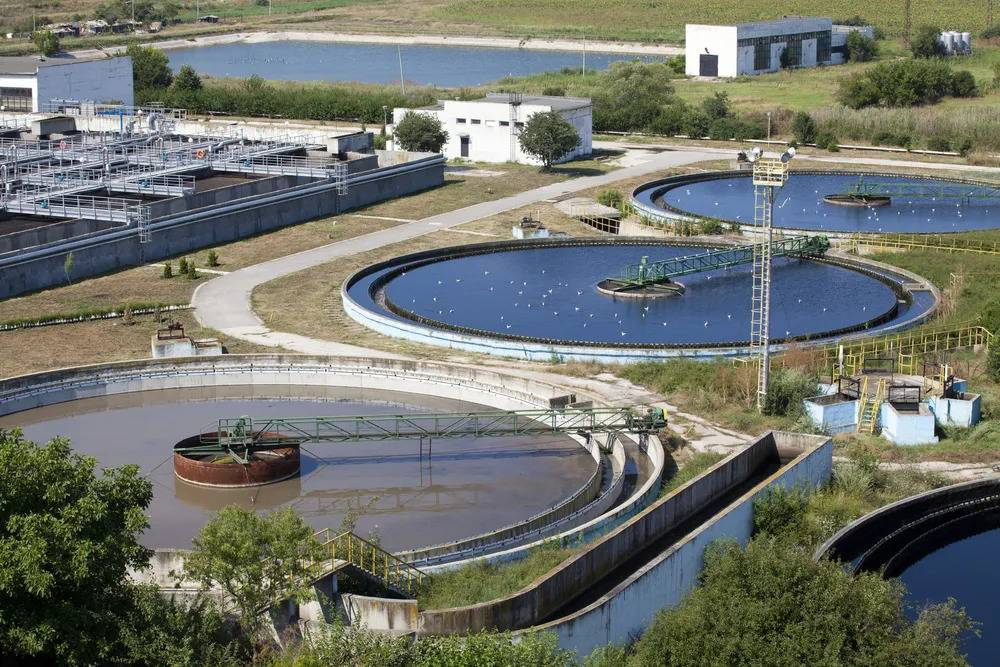
Both zinc chloride and phosphate are dosed at plants like this one — but for different jobs.
Zinc Chloride vs. Phosphate at a Glance
| Factor | Zinc Chloride | Phosphate |
|---|---|---|
| Primary function | Specialized water treatment, impurity/contaminant treatment, flux | Corrosion inhibition, scale control |
| Typical grade | 95% industrial / 98% battery-grade | Food-grade or technical-grade, varies by supplier |
| Common form | Crystalline powder or liquid solution | Liquid blend or dry powder |
| Best fit | Heavy-metal removal, industrial process water | Boiler/cooling water, potable water pipe protection |
| Handling class | UN 2331, Class 8 (corrosive) | Generally non-hazardous, low corrosivity |
| Key regulatory concern | Packaging and transport compliance | Nutrient discharge limits (phosphorus loading) |
What Is Zinc Chloride Used For in Water Treatment?
Coagulation and Metal Removal
Zinc chloride is used in specialized water-treatment and wastewater processes where its chemical properties can support impurity removal, rust prevention in metal equipment, and treatment of harmful wastewater contaminants. The exact treatment role depends on the plant’s process chemistry and technical requirements.
Then replace the bullets with:
- Industrial wastewater requires treatment for specific contaminants or impurities
- Metal equipment requires corrosion/rust-control support
- A zinc-containing treatment chemical is required as part of the plant’s established process
Our zinc chloride for water treatment page covers dosing ranges and typical application points in more depth, and the broader application breakdown by industry shows how this compares to other segments we supply.
Suitable grade selected based on the plant’s process and impurity requirements
95% industrial grade may be suitable when the water-treatment process is compatible with its specification and does not require the tighter impurity limits of the 98% grade. The 98% high-purity grade is appropriate when the application has more demanding purity or impurity requirements.The 98% high-purity grade should not be selected simply because it has a higher ZnCl₂ percentage. Buyers should compare the process requirements and impurity limits before deciding whether the additional purity is necessary. specifications page.

Side-by-side purity and impurity limits for 95% and 98% grade zinc chloride.
Technical Note: For coagulation work, impurity limits matter more than raw purity percentage. Check iron and lead content on your certificate of analysis (COA) — not just the headline zinc chloride percentage — before committing to a bulk order.
What Is Phosphate Used For in Water Treatment?
Corrosion Inhibition
Phosphate-based blends form a protective film on the inside of pipes. This slows metal corrosion in distribution systems, boilers, and cooling towers — a different treatment function from zinc chloride’s role in specialized water-treatment processes.
Scale Control
Phosphates also bind calcium and magnesium ions, which reduces scale buildup in high-mineral-content water. This keeps heat exchangers and boiler tubes running efficiently.
Key Differences Buyers Should Know
Function and Mechanism
Zinc chloride can support specialized impurity or contaminant treatment processes, while phosphate is primarily used for corrosion inhibition and scale control. Phosphate protects the pipes and equipment the water flows through. They’re rarely direct substitutes — most plants that use one still have a separate use case for the other.
Dosing and Handling
- Zinc chloride is corrosive (UN 2331, Class 8) and needs proper PPE, moisture-resistant packaging, and trained handling staff.
- Phosphate blends are generally easier to handle and store, with fewer transport restrictions.
Cost and Availability
Bulk zinc chloride pricing tracks raw zinc and production costs out of China. Phosphate pricing depends heavily on the specific blend and grade. Get current numbers for your volume — we don’t publish per-ton pricing, but our team will quote based on your monthly use tier.
Ready to test zinc chloride before placing a bulk order?
Talk to our team on WhatsApp to discuss your application, required grade, sample quantity, and bulk requirements.
WhatsApp Us for Free a Consultation
Environmental and Regulatory Considerations
Phosphate Discharge Limits
Many regions cap phosphorus discharge because excess phosphate drives algae blooms and nutrient pollution in waterways. If your plant discharges treated water, check your local limits before increasing phosphate dosing — the US EPA’s guidance on nutrient pollution is a useful reference point for understanding why these limits exist.
Zinc Chloride Packaging Compliance
Zinc chloride shipments must meet UN 2331 Class 8 hazmat packaging standards. Ask any supplier for proof of compliant packaging and current certifications (ISO 9001, SGS, REACH, CoA, MSDS) before you order — not after the container ships.

Certifications to confirm before placing a bulk zinc chloride order.
When to Choose Zinc Chloride
Choose zinc chloride when your plant needs:
- Impurity or contaminant treatment is required within the established process
- Zinc chloride is specified for a defined water-treatment function in your process, not potable distribution lines
- A supply chain that can meet UN 2331 packaging and documentation standards
Outside water treatment, the same 95% grade is the standard choice for galvanizing steel — worth knowing if your operation runs both processes and can consolidate a single bulk order.
When to Choose Phosphate (or Both)
Choose phosphate when the goal is pipe protection or scale control, not contaminant removal. Some treatment systems may use zinc chloride alongside phosphate, depending on the process design and treatment objectives.

A dosing skid like this handles both chemicals — specialized treatment upstream, with corrosion or scale protection downstream — in larger plants.
Decision-Maker Insight: The real cost driver isn’t the chemical price per ton — its supplier reliability. A cheaper zinc chloride source that ships inconsistent purity or misses UN packaging standards will cost you far more in downtime and re-testing than a verified supplier at a fair price. Camachem is ISO 9001 certified, and every batch ships with a certificate of analysis, so your team knows exactly what’s in each shipment.
Sourcing Bulk Zinc Chloride From China
Verifying Your Supplier
Before you commit to a bulk order, confirm:
- Real certifications (ISO 9001, SGS, REACH, CoA, MSDS)
- A factory that will host a visit or video walkthrough
- A sample policy that lets you test before you buy in bulk
Camachem, our parent company, runs the same factory-verification standard our sister company Camasteel applies to steel sourcing — the point is always to prove the factory is real, not just claim it.
Sample-to-Bulk Process
- Consultation — tell us your application and required grade
- Sample — Start with a 500g sample tested against your actual process requirements before committing to a full-container order.
- Trial order — start with a smaller container before scaling up
- Partnership — move to recurring bulk orders once quality is confirmed
Bulk Procurement Checklist
Before placing a bulk zinc chloride order, confirm:
- Correct grade selected (95% industrial for most water treatment use)
- Certificate of analysis requested for your specific batch
- UN 2331 Class 8 compliant packaging confirmed
- Sample tested against your process before bulk commitment
- MOQ and lead time confirmed against your monthly usage tier
A water treatment operation in Brazil moved to our 95% grade for heavy-metal removal after running into inconsistent purity from a previous supplier — read more on our success stories page.
Ready to test zinc chloride before placing a bulk order?
Talk to our team on WhatsApp to discuss your application, required grade, sample quantity, and bulk requirements.
WhatsApp Us for Free a Consultation
Zinc Chloride in Industrial Applications: See it in Action!
Want to see how zinc chloride is used in a real industrial setting? Check out this short video. It demonstrates its crucial role in the metal treatment process.
Frequently Asked Questions
Can zinc chloride and phosphate be used together in the same water treatment system?
Yes. Many plants use zinc chloride within a specialized treatment stage and phosphate for corrosion or scale control. They target different stages of the process, so combining them is common rather than unusual.
Which is cheaper for large-scale industrial water treatment, zinc chloride or phosphate?
It depends on your dosing rate and application. Zinc chloride pricing tracks raw zinc costs; phosphate pricing depends on the specific blend. Request a quote based on your actual monthly volume rather than comparing list prices — dosing efficiency matters more than per-ton cost.
Is zinc chloride safer to handle than phosphate-based chemicals?
Zinc chloride is classified UN 2331, Class 8 (corrosive), so it needs proper PPE and trained handling staff. Phosphate blends are generally less corrosive. Neither is “unsafe” when handled correctly — the difference is in the packaging, storage, and handling procedures your team needs to follow.
What grade of zinc chloride should I order for water treatment use?
95% industrial grade can be suitable for water-treatment applications when its specification meets the process requirements. 98% high-purity grade is more appropriate when tighter purity or impurity limits are required.
How do I switch my water treatment plant from phosphate to zinc chloride?
Start with a 500g sample tested against your actual process requirements before changing your full dosing setup. A trial order at a smaller volume lets your team confirm dosing rates and removal performance before committing to bulk.
Conclusion
Zinc chloride and phosphate solve different problems in water treatment — coagulation and metal removal versus corrosion and scale protection. Most plants don’t need to choose one over the other; they need to know which job each chemical is doing and source both from suppliers who can prove quality with real certifications and documentation.
If zinc chloride is the piece you’re missing, request a sample and see how it performs in your process before scaling up.
Industrial Buyers: Next Steps for Sourcing Bulk Zinc Chloride
What makes our Zinc Chloride Better:
✅ Compliant with EU, UN, ISO Standards – No Legal Headaches
✅ Guaranteed Purity – Stability for your Processing Plant
✅ Batch-Specific COA Provided – Full Transparency per Shipment.
Download Our EU-approved FREE COA & Specifications. Specifications Page