



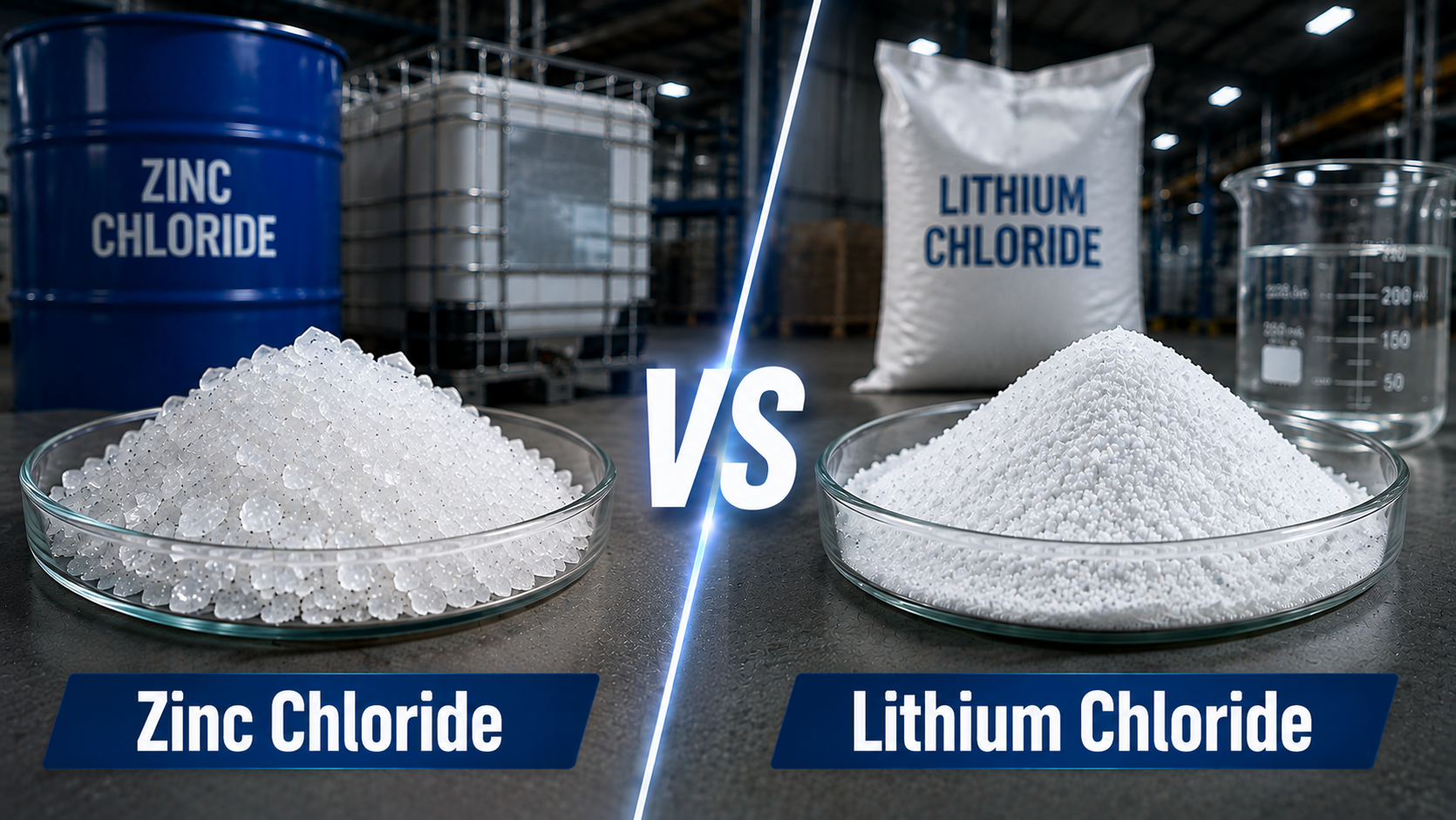
If you searched zinc chloride vs lithium chloride, you probably already know both are chloride salts used in industrial processes. What’s less obvious is that they are not really competing for the same job. They overlap in only two places — moisture control and battery electrolytes — and are worlds apart everywhere else, including price.
This guide breaks down what each chemical actually does, where they genuinely overlap, and how to decide which one fits your process before you request a quote.
Quick Comparison: Zinc Chloride vs Lithium Chloride
| Property | Zinc Chloride (ZnCl₂) | Lithium Chloride (LiCl) |
|---|---|---|
| CAS Number | 7646-85-7 | 7447-41-8 |
| Typical bulk price | Low-cost, widely available | High-cost, specialty salt |
| Deliquescent (absorbs moisture)? | Yes | Yes, more strongly |
| Main industrial role | Flux, catalyst, dehydrating agent | Liquid desiccant, battery research salt |
| Common grades | 95% industrial, 98% battery grade | Anhydrous, battery/reagent grade |
| Core buyer industries | Galvanizing, water treatment, textile, rubber, paper, batteries | HVAC/gas drying, battery research, pharma |
| Typical order volumes | Bulk industrial (tons) | Smaller, specialty volumes |
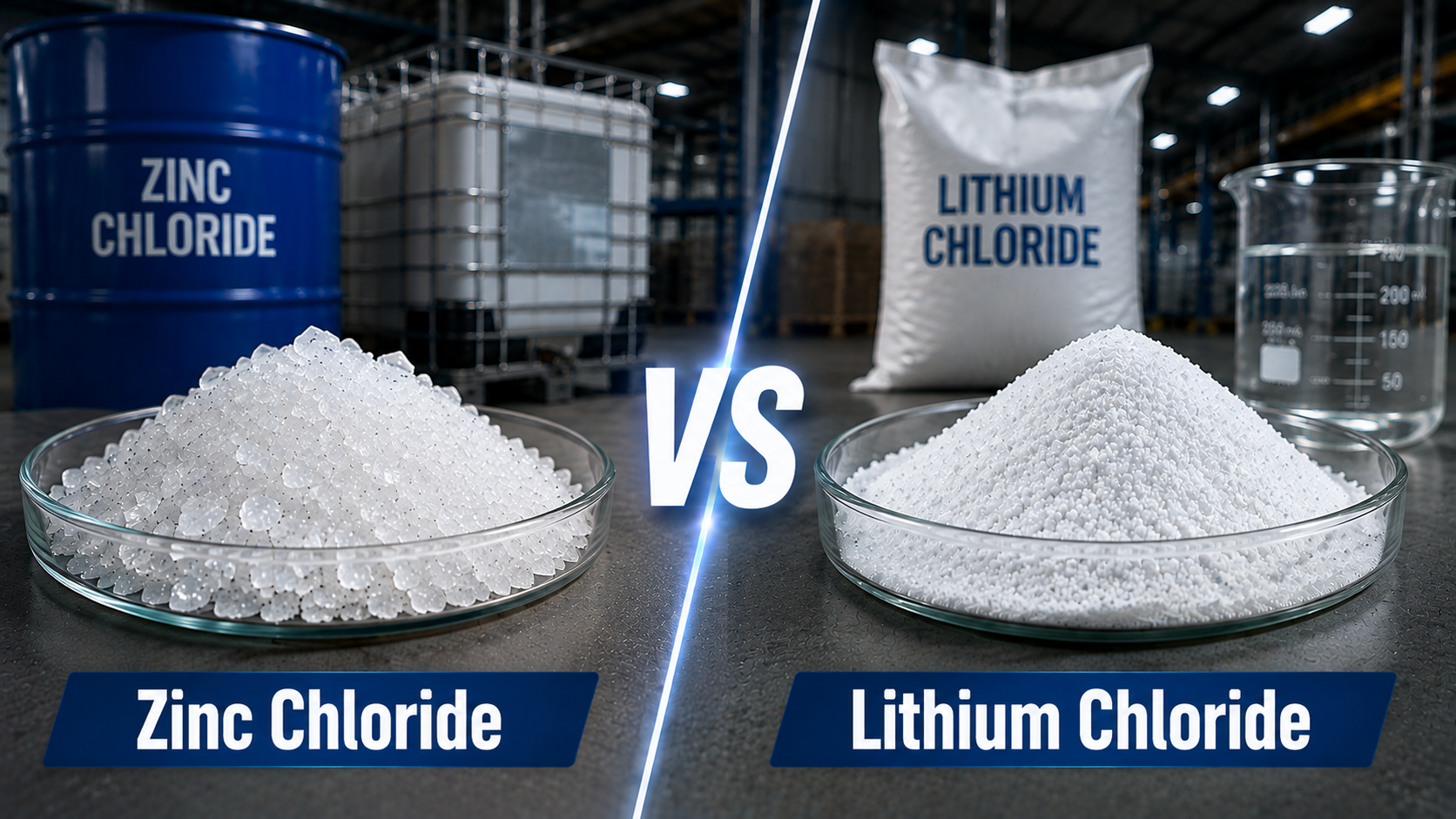
Battery-grade zinc chloride (98%) is one of the two grades most often confused with lithium chloride in electrolyte sourcing.
What Is Zinc Chloride?
Zinc chloride is a white, crystalline, highly deliquescent salt. It dissolves easily in water and forms an acidic solution. Because it is inexpensive to produce at scale, it shows up across a wide range of heavy industry.
Where Zinc Chloride Is Used
Our full zinc chloride grades breakdown covers this in more depth, but the short version:
- Metal processing & galvanizing — acts as a flux, stripping oxides so zinc coating bonds properly
- Battery manufacturing — electrolyte component in dry-cell (Leclanché) batteries
- Chemical synthesis — a Lewis acid catalyst and dehydrating agent, including pharmaceutical intermediates
- Water treatment — helps remove impurities and neutralize wastewater contaminants
- Textile & fiber processing — fixes dyes and improves fiber strength
- Oil & gas — stabilizes clay in drilling fluids
- Rubber & paper manufacturing — accelerates vulcanization; improves paper surface quality
Full technical parameters for both grades are in our specifications, and a segment-by-segment breakdown is in our application guide.
Technical Note
Commercial zinc chloride comes in two main grades: 95% industrial and 98% high purity (battery grade). Iron content drops from a max of 0.05% in the 95% grade to 0.001% in the 98% grade — critical if your process is sensitive to metal contamination, like battery electrolytes or pharmaceutical intermediates. See our full 95% vs 98% grade comparison before you order.
What Is Lithium Chloride?
Lithium chloride is also a white, crystalline, deliquescent salt — even more hygroscopic than zinc chloride. It’s produced from lithium brine or lithium carbonate processing, which is a more complex and expensive route than zinc chloride manufacturing. That cost difference (LiCl commonly runs several dollars per kilogram higher than ZnCl₂) shapes almost everything about how it’s used.
Where Lithium Chloride Is Used
- Liquid desiccant systems — compressed air dryers, gas dehydration, and industrial dehumidification, where its strong moisture-absorbing capacity justifies the higher cost
- Battery research and specialty electrolytes — mainly in lithium-based battery chemistries, a very different battery family from the zinc-based dry cells that use zinc chloride
- Laboratory and pharmaceutical uses — reagent-grade applications in smaller volumes
- Brazing flux — in some metal-joining applications, though at lower volumes than zinc chloride’s galvanizing role
Because it’s priced and positioned as a specialty material, lithium chloride is rarely bought in the same bulk tonnage that zinc chloride buyers typically order.
Key Differences Between Zinc Chloride and Lithium Chloride
Once you compare zinc chloride vs lithium chloride side by side, the split becomes clear: one is a cheap, versatile industrial workhorse, and the other is a pricier specialty salt reserved for a narrow set of jobs.
Cost and Availability
Zinc chloride is one of the more affordable industrial chloride salts, which is why it scales into heavy industries like galvanizing and water treatment. Lithium chloride costs considerably more per kilogram, so it’s reserved for applications where its specific moisture-control performance or lithium chemistry is worth the premium.
Moisture Behavior
Both salts are deliquescent, meaning they absorb enough moisture from the air to eventually dissolve into a liquid brine. Lithium chloride has a stronger dehydration capacity and can pull relative humidity down further than zinc chloride, which is exactly why it dominates high-performance liquid desiccant systems.
Application Breadth
Zinc chloride’s low cost lets it serve a wide industrial footprint — galvanizing, textiles, rubber, paper, oil and gas, and water treatment all use it. Lithium chloride’s use is narrower and more specialized: mainly drying systems, lithium battery research, and select laboratory work.
Packaging and Handling
Both are classified as deliquescent, corrosive-when-wet materials requiring moisture-resistant packaging. Zinc chloride typically ships in UN 2331, Class 8 compliant 25kg or 1,000kg bags. Always confirm your supplier’s packaging and hazmat documentation match your import country’s requirements.
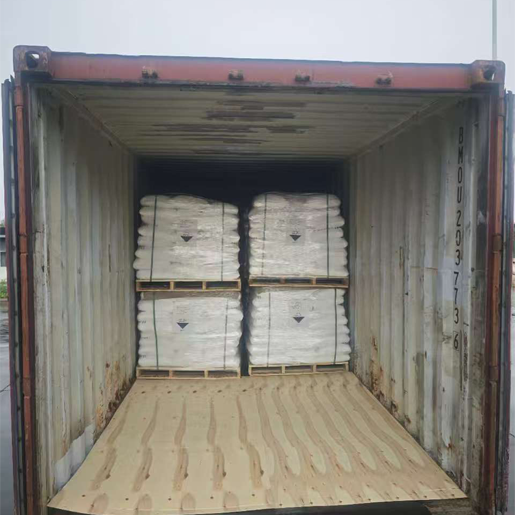
The 95% industrial grade covers most bulk applications where lithium chloride would be an unnecessary added cost.
WhatsApp Us for Free a Consultation
Where Zinc Chloride and Lithium Chloride Actually Overlap
This is the part most comparison pages skip. There are exactly two places where a buyer might genuinely choose between them.
Overlap #1: Industrial Drying and Desiccant Systems
Both salts absorb moisture strongly enough to be used in dehumidification and gas-drying systems. Lithium chloride is the more established choice in high-performance liquid desiccant equipment because of its higher moisture-absorption ceiling. Zinc chloride can play a similar deliquescent role in lower-cost drying setups, but it’s rarely the first choice when performance at very low humidity is the priority.
If your process needs deep dehumidification (very low relative humidity targets), lithium chloride is usually the better-performing, higher-cost option. If your drying need is less extreme and cost matters more, it’s worth discussing your target humidity range with your chemical supplier before defaulting to the pricier salt.
Overlap #2: Battery Manufacturing
Here’s where confusion is most common. Zinc chloride is the electrolyte used in traditional zinc-carbon and zinc-chloride “heavy duty” dry-cell batteries — the type in flashlights, remotes, and toys. Lithium chloride, by contrast, sits in a completely different battery family: lithium-ion and lithium-metal chemistries, which run on entirely different electrode materials and voltage systems.
If you’re sourcing for dry-cell battery production, zinc chloride’s battery-grade applications are almost certainly what you need — not lithium chloride. A US-based chemical trading company came to us for exactly this reason, needing an ultra-pure 98% zinc chloride catalyst for chemical manufacturing rather than a lithium-based alternative; you can read that outcome on our success stories page.
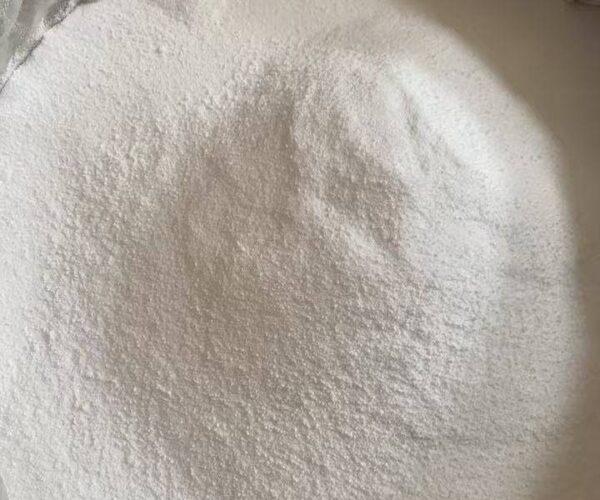
High-purity zinc chloride serves as a Lewis acid catalyst — a role lithium chloride does not typically fill in industrial synthesis.
Decision-Maker Insight
If your business operates in galvanizing, water treatment, textiles, rubber, paper, oil and gas, or dry-cell battery manufacturing, zinc chloride is almost certainly the right chemical — and the more cost-effective one. Lithium chloride only makes commercial sense if your process specifically needs deep dehumidification performance or lithium-based battery chemistry. Confusing the two can mean paying a specialty-salt price for a job that a standard industrial grade would handle just as well.
When to Choose Each Chemical
Deciding between zinc chloride vs lithium chloride gets much easier once you match the chemical to your actual process, not just the name on the search bar.
Choose zinc chloride if you:
- Run a galvanizing, metal finishing, or metal treatment line
- Need a flux, catalyst, or dehydrating agent for chemical synthesis
- Manufacture dry-cell (Leclanché-type) batteries
- Treat water or wastewater at industrial scale
- Process textiles, rubber, or paper
- Need a cost-effective bulk chloride salt for general industrial use
Choose lithium chloride if you:
- Operate a high-performance liquid desiccant or compressed-air drying system
- Need very low relative humidity, below what standard drying agents can reach
- Work in lithium-ion or lithium-metal battery research and production
- Require small-volume, high-purity reagent-grade material
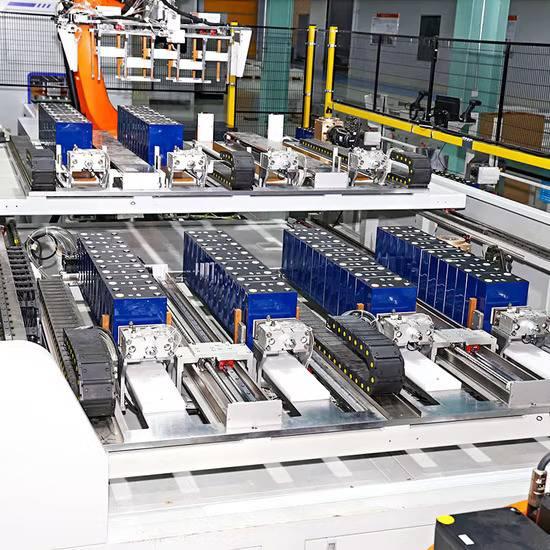
Zinc-chloride dry-cell batteries are a different chemistry family from lithium-ion batteries, despite both salts sharing “chloride” in the name.
WhatsApp Us for Free a Consultation
Bulk Procurement Checklist: What First-Time Buyers Should Confirm
Whichever chemical fits your process, don’t skip these steps before placing a bulk order:
- Confirm the exact grade — 95% industrial vs. 98% high purity for zinc chloride; check our bulk zinc chloride guide for grade-to-application matching
- Request certifications — ISO 9001, SGS, REACH, COA, MSDS, and RoHS documentation should all be available on request
- Ask about sample policy — a reputable supplier offers 500g–1kg samples for pre-bulk testing
- Check packaging compliance — UN 2331, Class 8 packaging with moisture-resistant bags is standard for deliquescent salts
- Verify the factory, not just the trading name — factory visit invitations are a strong legitimacy signal; our parent company Camachem applies this same verification standard across all its chemical sourcing lines
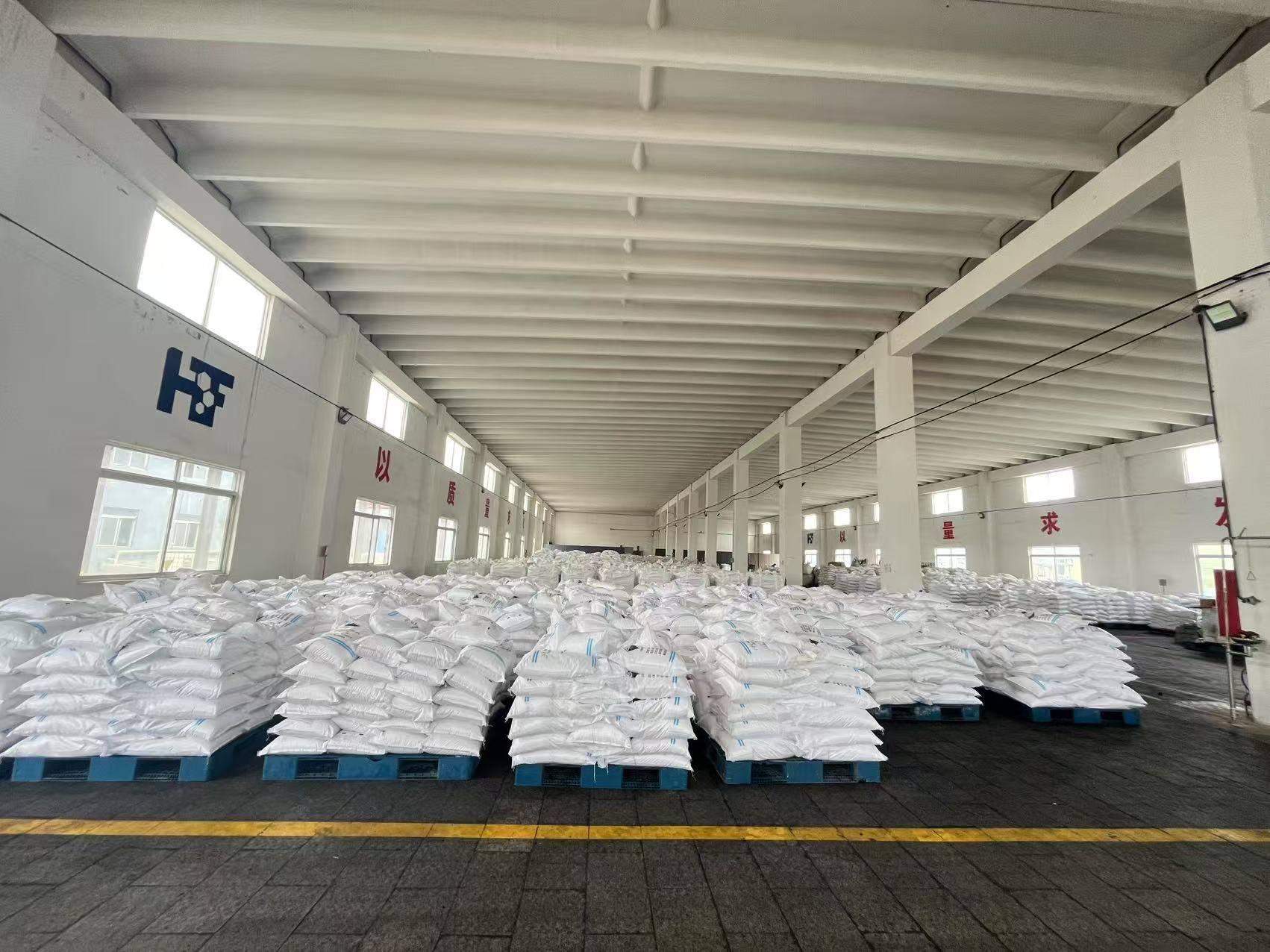
Bulk zinc chloride shipments are typically packed in 25kg or 1,000kg UN-compliant bags for export.
According to the ECHA REACH registration data for zinc chloride, its hazard classification requires exactly this kind of moisture-resistant, corrosion-aware packaging — one more reason to confirm your supplier’s compliance documentation before ordering. For technical reference on lithium chloride’s own classification, the PubChem entry for lithium chloride is a reliable independent source.
Ready to Buy Zinc Chloride From a Verified Source?
Contact our team today for a quotation, sample, and delivery timeline.
WhatsApp Us for Free a Consultation
Zinc Chloride in Industrial Applications: See It in Action!
Want to see how zinc chloride is used in a real industrial setting? Check out this short video. It demonstrates its crucial role in the metal treatment process.
FAQ
Is zinc chloride the same as lithium chloride?
No. They are different chloride salts with different production methods, costs, and typical industrial uses. Zinc chloride is far more affordable and covers a much wider range of bulk industrial applications.
Can I substitute lithium chloride for zinc chloride in galvanizing or water treatment?
Generally, no. Zinc chloride’s flux and treatment properties come from its zinc content, which lithium chloride does not provide. Substituting the two in these applications isn’t standard practice.
Which chemical is cheaper to buy in bulk?
Zinc chloride is significantly less expensive and more readily available in bulk industrial quantities. Lithium chloride’s higher production cost keeps it priced as a specialty material.
Do zinc chloride and lithium chloride use the same battery chemistry?
No. Zinc chloride is used in zinc-based dry-cell batteries. Lithium chloride relates to lithium-ion and lithium-metal battery chemistries, which are structurally and electrochemically different systems.
What grade of zinc chloride is used for battery manufacturing?
Battery-grade applications typically use the 98% high-purity grade, due to its lower iron and heavy metal content compared to the 95% industrial grade. See our zinc chloride grades guide for the full parameter comparison.
Conclusion
The zinc chloride vs lithium chloride question usually comes down to one thing: these two chemicals share a name pattern, not a job description. For nearly every bulk industrial buyer — galvanizing, water treatment, textiles, rubber, paper, oil and gas, and dry-cell battery manufacturing — zinc chloride is the correct, cost-effective choice. Lithium chloride only earns its higher price tag in specialty liquid-desiccant systems and lithium battery chemistries. If you’re not sure which category your process falls into, a technical conversation with your supplier before ordering will save you from paying specialty prices for a standard job.
Industrial Buyers: Next Steps for Sourcing Bulk Zinc Chloride
What makes our Zinc Chloride Better:
✅ Compliant with EU, UN, ISO Standards – No Legal Headaches
✅ Guaranteed Purity – Stability for your Processing Plant
✅ Batch-Specific COA Provided – Full Transparency per Shipment.
Download Our EU-approved FREE COA & Specifications. Specifications Page