



Choosing the right zinc chloride grade is not simply a matter of selecting the highest purity available. Industrial, battery, reagent and pharmaceutical applications can have different requirements for purity, trace impurities, documentation and regulatory compliance.
For a bulk buyer, the better question is: which zinc chloride grade matches the production process and quality standard you need? This guide explains the four commonly encountered grade categories, what each is used for, and what buyers should verify before placing a bulk order.
For a broader view of end-use sectors, see the zinc chloride applications overview.
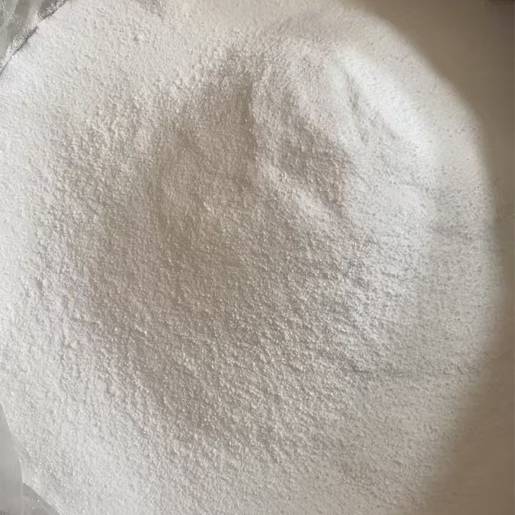
Zinc chloride is supplied in different grades depending on application and quality requirements.
What Are the Main Zinc Chloride Grades?
Zinc chloride is sold under different grade names depending on its intended application and required specification. The four categories buyers most commonly encounter are:
| Grade | Typical application | What matters most | Buyer focus |
| Industrial / Technical | Galvanizing, metal treatment, textiles, water treatment and general processing | Process suitability and impurity limits | COA and process fit |
| Battery | Dry-cell and zinc-chloride battery electrolyte production | Consistent purity and controlled impurities | Electrolyte specification |
| Reagent / ACS | Analytical chemistry, research and chemical synthesis | Defined assay and trace impurities | Stated standard + COA |
| Pharmaceutical | Applications requiring a pharmaceutical/pharmacopoeial specification | Compendial compliance and documentation | Applicable monograph + testing |
These categories should not be treated as interchangeable. Grade names can also vary between suppliers, so buyers should confirm the actual specification and applicable standard rather than relying on the grade name alone.
Industrial or Technical Grade Zinc Chloride
Industrial grade is designed for manufacturing processes where zinc chloride is used as a process chemical and the application does not require laboratory or pharmacopoeial specifications.
- Hot-dip galvanizing and metal treatment
- Chemical processing
- Wood preservation
- Textile and fiber processing
- Water-treatment processes
- Oil and gas applications
In galvanizing, zinc chloride functions as a flux that helps prepare the metal surface before zinc coating. The required grade depends on the process and the buyer’s impurity limits.
For the documented parameters, see the zinc chloride specifications.
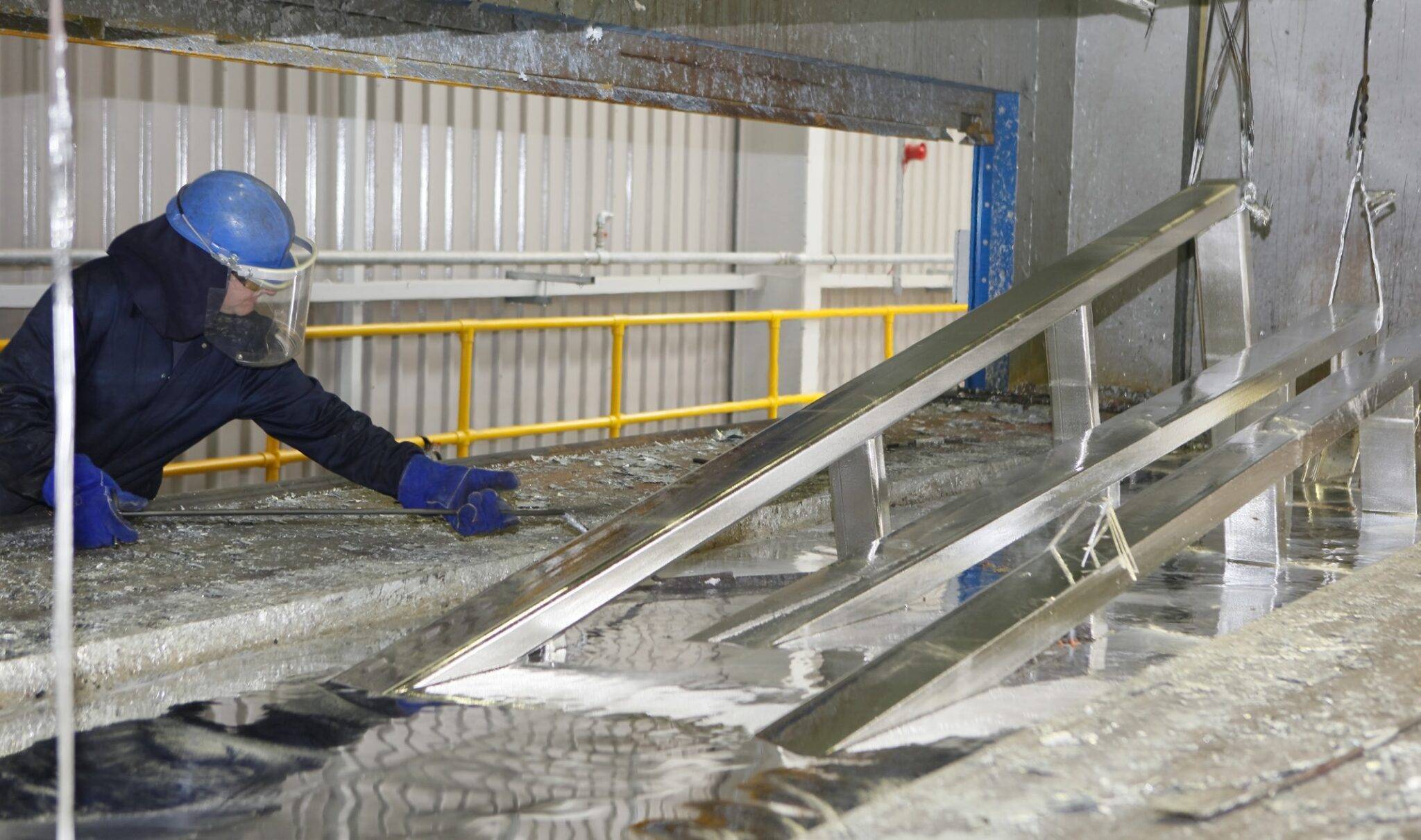
Zinc chloride is used as a fluxing chemical in metal treatment and galvanizing.
Battery Grade Zinc Chloride
Battery grade zinc chloride is associated primarily with dry-cell battery manufacturing, particularly zinc-carbon and zinc-chloride battery systems. Zinc chloride can serve as an electrolyte component in these applications.
Battery manufacturers can be sensitive to impurities because material consistency can affect production reliability. The specification should therefore cover more than the headline ZnCl₂ percentage.
- Iron
- Lead and other heavy metals
- Sulfate
- Insoluble material
- Moisture
- Required electrolyte specification
A supplier should be able to provide a specification sheet and batch-specific COA so the manufacturer can compare the supplied material with its internal requirements.

Battery manufacturing can require consistent zinc chloride quality and controlled impurities.
WhatsApp Us for Free a Consultation
Reagent or ACS Grade Zinc Chloride
Reagent grade is intended for analytical, research and chemical-synthesis work where defined purity and trace-impurity requirements are important. ACS is commonly encountered alongside reagent terminology, but buyers should verify the actual standard stated on the supplier documentation.
- Analytical chemistry
- Laboratory preparation
- Chemical synthesis
- Research and development
- Catalyst applications
For chemical manufacturers, trace impurities may matter as much as the headline assay because contaminants can influence reaction performance or downstream product quality.
Pharmaceutical Grade Zinc Chloride
Pharmaceutical grade is used when zinc chloride must meet a defined pharmaceutical or pharmacopoeial specification. This is different from simply buying a product with a high assay.
Buyers sourcing pharmaceutical-grade material should verify the applicable pharmacopoeia, assay requirements, individual impurity limits, testing methods, batch-specific COA and regulatory documentation.
A high assay alone does not establish pharmaceutical grade. The required pharmacopoeial specification must be demonstrated through the applicable standard and supporting documentation.
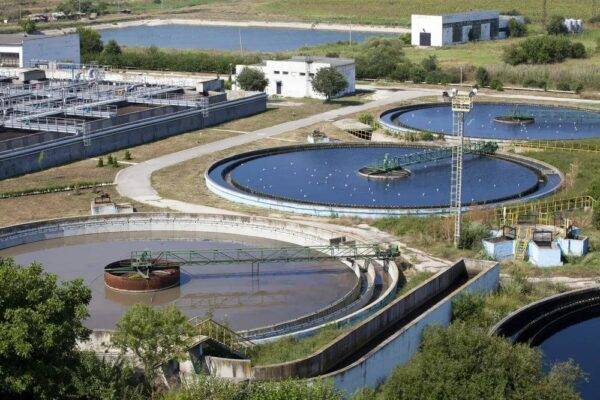
Application-specific zinc chloride requirements should be established before selecting a grade.
Zinc Chloride Grades Compared: Which Grade Is Used for What?
| Grade | Best suited to | Buyer should verify |
| Industrial / Technical | Galvanizing, metal treatment, textiles and general industrial processing | ZnCl₂ assay, impurities and COA |
| Battery | Dry-cell and zinc-chloride battery electrolyte production | Electrolyte specification, metals, sulfate and consistency |
| Reagent / ACS | Analytical chemistry, research and synthesis | Assay, trace impurities and stated reagent standard |
| Pharmaceutical | Applications requiring a pharmacopoeial specification | Applicable monograph, testing and documentation |
The key point is that grade names describe intended quality and use, but they do not replace the technical specification.
How Should You Choose the Right Zinc Chloride Grade?
1. Define the process: Identify exactly where zinc chloride enters your production process and what function it performs.
2. Identify the required grade: A galvanizing operation may require an industrial specification, while battery, analytical or pharmaceutical applications may demand tighter controls.
3. Compare impurity limits: Do not compare suppliers using ZnCl₂ percentage alone. Iron, sulfate, heavy metals, insoluble material and other parameters can be important.
4. Request documentation: Ask for the specification sheet, SDS/MSDS and a batch-specific COA before committing to recurring supply.
5. Test a sample: Where the application is technically sensitive, test the sample against your internal specification before moving to a full-container order.
6. Verify the supplier: Check production capability, certifications, export experience, packaging, lead time and evidence of consistent supply.
For a broader procurement process, see the guide to bulk zinc chloride sourcing.
Buyers comparing Chinese suppliers can also use this zinc chloride manufacturer verification guide.
Technical Note
Zinc chloride is highly deliquescent, meaning it readily absorbs moisture from the surrounding air. Buyers should keep it properly sealed and protected from unnecessary moisture exposure during storage and handling. Always follow the supplier’s SDS and applicable site safety procedures.
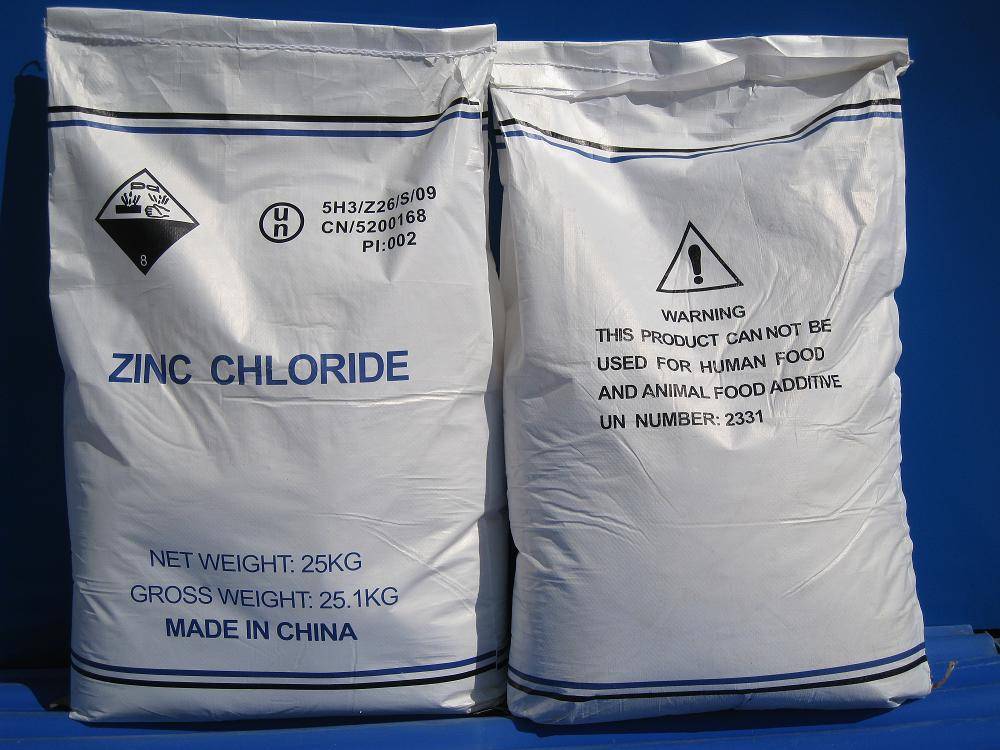
Bulk buyers should verify packaging, labeling and shipping requirements before ordering.
What Should You Consider When Buying Zinc Chloride in Bulk?
- Product specification — Does the supplied grade meet your process requirements?
- Batch consistency — Can the supplier maintain consistent quality between shipments?
- Documentation — Can the supplier provide the required COA and MSDS documentation?
- Packaging — Is the packaging suitable for your warehouse and handling system?
- Container loading — Does the packaging make efficient use of container capacity?
- Lead time — Can the supplier support your production schedule consistently?
- Supplier credibility — Can the supplier demonstrate quality control, certifications and industrial experience?
For packaging details, see the zinc chloride packaging guide.
Decision-Maker Insight
For a purchasing manager or business owner, the cheapest zinc chloride quotation is not necessarily the lowest-cost option. A small difference in price can become insignificant if inconsistent quality causes rejected batches, production downtime, additional testing or rework.
Compare total procurement value: price + specification compliance + consistency + documentation + packaging + logistics + supply reliability.
Real industrial examples can be reviewed in the Zinc Chloride Success Stories.
How Can Industrial Buyers Reduce Sourcing Risk?
- Define the application’s technical requirements.
- Identify the required grade and impurity limits.
- Request the supplier’s specification sheet and COA.
- Test a sample against internal requirements.
- Confirm packaging and container-loading requirements.
- Review shipping terms and lead time.
- Begin with a suitable trial order before establishing recurring supply.
This sample-to-trial approach gives the technical team an opportunity to validate the material while giving the decision-maker greater confidence before committing to regular volumes.
For application-specific context, see zinc chloride for industrial use.
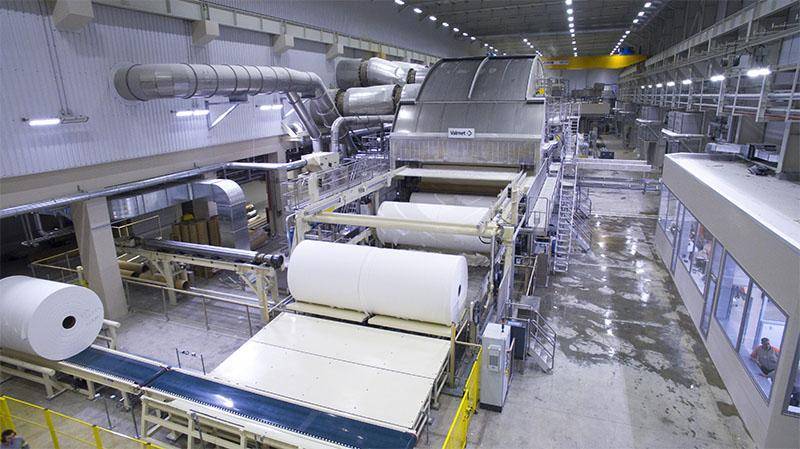
Zinc chloride is used in selected paper and pulp processing applications.
Frequently Asked Questions
What are the main grades of zinc chloride?
The four categories buyers commonly encounter are industrial or technical, battery, reagent or ACS, and pharmaceutical. Exact specifications and naming conventions vary between suppliers.
Which grade of zinc chloride is used in batteries?
Battery-grade zinc chloride is associated with dry-cell and zinc-chloride battery electrolyte applications. Buyers should confirm the electrolyte specification and impurity limits required by the formulation.
What is reagent-grade zinc chloride used for?
Reagent-grade zinc chloride is used for analytical chemistry, research and chemical synthesis where defined assay and impurity requirements are important.
Is pharmaceutical-grade zinc chloride the same as 98% zinc chloride?
No. A 98% assay alone does not establish pharmaceutical grade. Pharmaceutical material must meet the applicable pharmacopoeial specification and documentation requirements.
What documents should I request when buying zinc chloride in bulk?
Request the applicable specification sheet, SDS/MSDS and batch-specific COA. Depending on the destination and application, additional regulatory or certification documentation may also be required.
WhatsApp Us for Free a Consultation
Factory-focused video showing zinc chloride production and industrial handling.
Industrial Buyers: Next Steps for Sourcing Bulk Zinc Chloride
What makes our Zinc Chloride Better:
✅ Compliant with EU, UN, ISO Standards – No Legal Headaches
✅ Guaranteed Purity – Stability for your Processing Plant
✅ Batch-Specific COA Provided – Full Transparency per Shipment.
Download Our EU-approved FREE COA & Specifications. Specifications Page