



Send a supplier “I need zinc chloride, please quote” and you’ll get a number back. What you won’t get is a number you can actually compare to the next supplier’s, or trust once the shipment arrives. A proper zinc chloride RFQ does the opposite — it forces every supplier to quote against the same fixed set of details, so the price difference you see is a real difference, not a gap in what each one assumed you meant.
This guide covers the six things your RFQ should specify before you send it out, so the quotes that come back are ones you can compare and act on.
Why a Vague RFQ Costs You Later, Not Now
A one-line inquiry feels efficient. It isn’t. When a supplier fills in the blanks themselves — assuming 95% grade because you didn’t say, assuming standard bags because you didn’t ask, assuming FOB because that’s their default — you end up comparing quotes that aren’t actually for the same product. The mismatch usually surfaces after the order ships, not before.
Skip the back-and-forth. Send your requirements directly and get a quotation, sample offer, and delivery timeline from our team.
Tina (Australia, Europe, North America):
WhatsApp Us for Free a Consultation
Nancy (Africa, Asia, South America):
WhatsApp Us for Free a Consultation
1. Grade & Purity Requirement (95% vs. 98%)
The single most important line in any RFQ is the grade. Zinc chloride is supplied at two standard purity levels, and quoting the wrong one wastes both sides’ time:
- 95% Industrial Grade — standard industrial applications
- 98% High Purity — performance- and purity-sensitive applications
If you’re not certain which grade your process needs, say so in the RFQ rather than guessing — a supplier who understands the difference can help you confirm it before quoting, and our grade-selection guide comparing 95% and 98% walks through the decision in detail. Whatever grade you specify, ask the supplier to confirm it against their published zinc chloride specifications rather than a generic percentage.

State the exact grade in your RFQ — “high purity” alone isn’t a specification a supplier can quote against.
Technical Note: Grade determines more than the headline purity percentage — it sets the allowable limits for iron, sulfate, water insolubles, and heavy metals too. Specify the grade, and ask the supplier to quote against the full parameter table, not just the ZnCl₂ minimum.
2. Order Quantity & Monthly Volume Tier

Bulk pricing and container planning both start from the volume you state in your RFQ.
Price, minimum order quantity, and even which sales contact you’re routed to all depend on volume. State your expected monthly or per-shipment quantity clearly, using one of the standard order tiers:
| Volume Tier | Typical Use Case |
|---|---|
| Under 50 metric tons/month | First bulk order, trial volume |
| 51–100 metric tons/month | Established recurring buyer |
| Over 100 metric tons/month | High-volume industrial or trading account |
Real minimum order quantities in this industry often run lower than the round numbers listed publicly on supplier sites, so it’s worth asking directly rather than assuming your volume is too small to quote. For more on how volume affects your total cost, our breakdown of factors affecting zinc chloride prices covers this alongside currency and freight variables.
3. Packaging Specification
Packaging affects loading weight, storage requirements at your facility, and compliance documentation — so it belongs in the RFQ, not as an afterthought once pricing is settled. Specify:
- Bag size (commonly 25kg or 50kg moisture-resistant bags)
- Whether you need bulk jumbo bags (around 1,000kg) instead
- Palletized vs. non-palletized loading, since this changes how much fits per container

Specify bag size and hazard labeling in your RFQ — it directly affects container loading quantity.
Because zinc chloride is deliquescent, moisture-resistant packaging isn’t optional — leaving this out of your RFQ can mean the supplier quotes standard packaging when you actually need something more robust. Our packaging guide lays out the available configurations if you’re unsure which fits your shipping and storage setup.
Have Questions Before You Finalize Your RFQ?
If you’re still confirming grade or packaging details, our team can walk through them with you directly before you put the RFQ in writing.
Tina (Australia, Europe, North America):
WhatsApp Us for Free a Consultation
Nancy (Africa, Asia, South America):
WhatsApp Us for Free a Consultation
4. Required Certifications & Documentation
A quote without documentation attached is a price, not a specification. Ask every supplier to confirm, in writing, which of the following they can supply for your batch:
- Certificate of Analysis (COA) — batch-specific test results
- Material Safety Data Sheet (MSDS)
- ISO 9001, REACH, SGS, and RoHS, as applicable to your market
Ask which certifications apply to your specific order — not just which ones the company holds in general.
Decision-Maker Insight: A supplier’s certifications describe their general capability. Your RFQ should ask specifically whether a batch-specific COA will be issued for your order — that’s the document that actually protects you if a shipment doesn’t match spec. For a fuller rundown of what to check, see 3 certifications to check when choosing a supplier.
5. Delivery Terms, Incoterm & Destination Port
An RFQ that doesn’t name a destination or Incoterm forces the supplier to guess at freight cost, and guesses on freight tend to favor the supplier, not you. Include:
- Incoterm (FOB from a Chinese port is standard; confirm if you need CIF instead)
- Destination port or country
- Requested lead time

Naming your destination port and Incoterm lets a supplier quote freight accurately instead of estimating it.
If you’re new to importing and unsure which Incoterm protects you best, our guide for first-time importers covers this alongside other documentation you’ll need at your end.
6. Sample Request Before Bulk Commitment
The last item in a well-built RFQ isn’t about the bulk order at all — it’s about verifying the supplier before you commit to one. Ask for a small sample (typically 500g–1kg) for independent testing, and be clear about your expected timeline between sample approval and placing the bulk order.

Requesting a sample and stating your testing timeline up front sets clear expectations before the bulk order.
This step also tells you something about the supplier: a legitimate factory will expect and support a sample request as standard practice, while reluctance to provide one is worth noting. It’s also worth asking directly whether you’re dealing with the actual factory or a trading company reselling on their behalf — our guide on factory vs. trading company explains why that distinction matters for accountability if something goes wrong later.
Quick Reference: The 6-Point RFQ Checklist
| # | Item | Why It Matters |
|---|---|---|
| 1 | Grade & purity (95% or 98%) | Sets the entire spec range you’re quoting against |
| 2 | Quantity & volume tier | Determines price tier and MOQ eligibility |
| 3 | Packaging spec | Affects loading weight and storage compliance |
| 4 | Certifications & COA | Confirms the shipment is verifiable, not just claimed |
| 5 | Incoterm & destination port | Prevents freight-cost guesswork |
| 6 | Sample request | Verifies quality and supplier legitimacy before bulk commitment |
What Happens After You Submit Your RFQ
Once your RFQ is complete, the process from inquiry to bulk order typically follows a consistent path: initial consultation to confirm your six specifications, a sample shipment for your own testing, a trial order at smaller volume, and finally the bulk partnership once quality is verified on your end. Real buyers have followed this exact path — a steel galvanizing operation in Poland worked through sample verification before scaling to a full bulk relationship on our 95% Industrial Grade, and you can review that alongside other real buyer outcomes before sending your own RFQ.
This same discipline — specify first, verify with a sample, then commit — is the same procurement standard our parent company CAMAL Group applies across its broader sourcing work in steel, equipment, and industrial chemicals, not just zinc chloride.
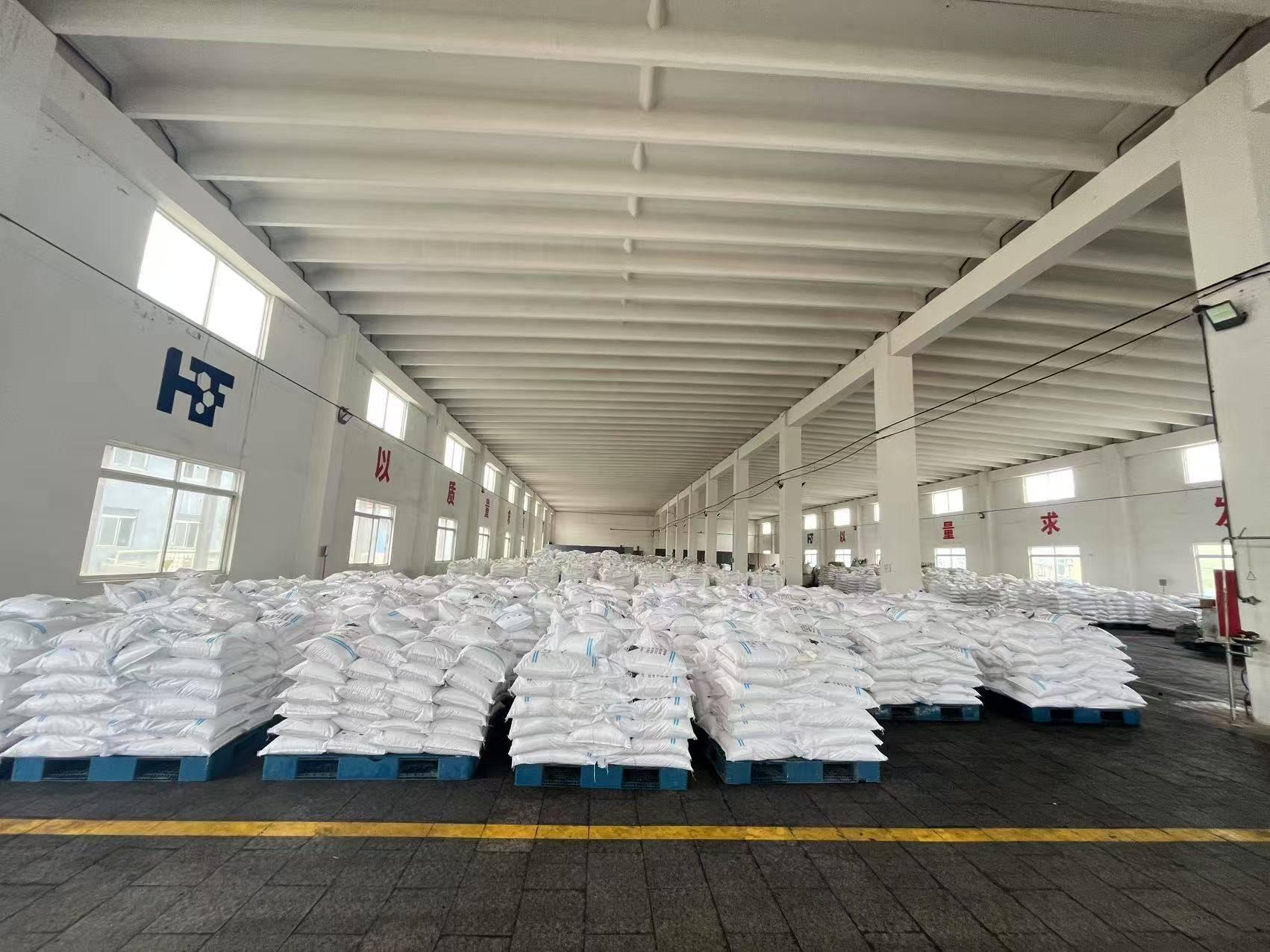
A complete RFQ is what gets you from this stage — inquiry — to a warehouse of verified, compliant stock.
Grade requirements vary meaningfully by end use, so it’s worth checking your specification against your application before finalizing quantities — a water treatment buyer and a battery manufacturer won’t necessarily specify their RFQ the same way. If purity verification is a concern for your process, our guide to purity testing covers what independent testing on a sample can confirm before you commit to the bulk order.
Ready to Send Your Zinc Chloride RFQ?
Have your six details ready? Reach out directly and our team will confirm grade, packaging, and lead time against your requirements.
Tina (Australia, Europe, North America):
WhatsApp Us for Free a Consultation
Nancy (Africa, Asia, South America):
WhatsApp Us for Free a Consultation
Curious how this material actually performs on a production line before you finalize your RFQ? This short video shows zinc chloride in a real industrial metal-treatment setting:
Frequently Asked Questions
What information does a zinc chloride RFQ need to include?
At minimum: grade (95% or 98%), monthly volume, packaging preference, required certifications and COA, Incoterm and destination port, and whether you want a sample before the bulk order.
Why did I get different quotes for what seems like the same product?
Different suppliers likely assumed different specifications where your RFQ left gaps — commonly grade, packaging, or Incoterm. Specifying all six details up front removes that ambiguity.
Is it normal to request a sample before sending a full RFQ for bulk quantity?
Yes. Requesting a small sample (500g–1kg) alongside your RFQ is standard practice for first-time buyers, and a legitimate supplier will expect it.
Should my RFQ specify FOB or CIF?
Either is workable, but state it explicitly. FOB from a Chinese port is the more common default in this industry, and leaving it unstated means the supplier will quote their own default, which may not match what you actually want.
Conclusion
A zinc chloride RFQ built around these six specifics — grade, quantity, packaging, certifications, delivery terms, and a sample — turns supplier outreach from a guessing game into a genuine comparison. The extra ten minutes it takes to write a complete RFQ is far cheaper than discovering a mismatch after the shipment has already left port. For chemical identity reference while drafting your RFQ, zinc chloride’s CAS number (7646-85-7) and full compound data are available via PubChem.
Industrial Buyers: Next Steps for Sourcing Bulk Zinc Chloride
What makes our Zinc Chloride Better:
✅ Compliant with EU, UN, ISO Standards – No Legal Headaches
✅ Guaranteed Purity – Stability for your Processing Plant
✅ Batch-Specific COA Provided – Full Transparency per Shipment.
Download Our EU-approved FREE COA & Specifications. Specifications Page