



Navigating the chemical market can feel like riding a roller coaster, especially when it comes to budgeting for essential supplies. Zinc chloride is no exception, with prices influenced by a complex web of global factors.
This blog post explores the top factors shaping zinc chloride price trends, zinc chloride price forecasts, and bulk zinc chloride prices in 2026. We’ll also share a bonus insight to help you stay ahead of the curve and make informed procurement decisions.
Understanding these trends is crucial for anyone involved in the chemical supply chain. Let’s dive into what’s driving the market this year and how you can prepare for the changes ahead.
The Current Landscape of Zinc Chloride Prices
As we move through 2026, the zinc chloride market is experiencing a period of dynamic shifts. While demand remains strong across various sectors, supply-side pressures are creating significant pricing volatility.
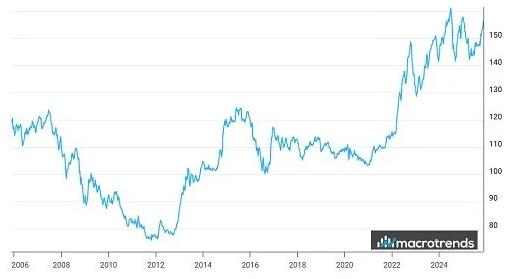
Staying updated on the global price index is essential for predicting market movements.
Recent zinc chloride price per ton data shows that regional prices vary considerably across major markets. China often serves as the benchmark for global zinc chloride market trends.
By understanding the underlying drivers, you can better predict price movements and adjust your sourcing strategy accordingly. It’s about being proactive rather than reactive in a fast-paced market.
Factor 1: Raw Material Costs and Zinc Ore Availability
The most significant factor affecting zinc chloride prices is the cost of its primary raw material: zinc ore. Fluctuations in the global zinc metal market directly impact the production costs of zinc chloride.

Zinc ore availability is the primary driver of the cost of zinc chloride.
In 2026, tighter environmental regulations and reduced output from several zinc-producing regions have limited the supply of high-grade zinc ore, increasing the cost of zinc chloride production. This scarcity naturally pushes the prices of zinc-based chemicals upward.
Manufacturers must compete for limited resources, and these increased costs are often passed down to the end-user. Monitoring the global zinc price index is a must for savvy chemical buyers.
Factor 2: Energy Prices and Manufacturing Overhead
Producing zinc chloride is an energy-intensive process. From the initial chemical reaction to the final drying and packaging, energy costs represent a substantial portion of the total manufacturing overhead.

Energy prices directly impact the manufacturing overhead for zinc chloride producers.
With global energy markets facing their own set of challenges in 2026, the cost of electricity and natural gas has become a major variable. Higher energy bills for factories mean higher prices for the finished product.
Manufacturers who have invested in energy-efficient technologies are better positioned to maintain stable pricing. However, the overall market trend is heavily influenced by these broader energy costs.
Factor 3: Global Logistics and Supply Chain Dynamics
The cost of getting zinc chloride from the factory to your facility is another critical pricing factor. Global logistics, including shipping rates and container availability, play a massive role in the final delivered price.

Efficient logistics and supply chain management are key to maintaining stable delivered prices.
In 2026, we’re seeing a mix of improved port efficiencies and ongoing regional challenges that impact shipping times and costs. Any disruption in the supply chain can lead to temporary price spikes.
Working with suppliers who have robust logistics networks and strategic port proximity, like those in Shandong, can help mitigate some of these external cost pressures.
Need the latest zinc chloride price forecast for your next order?
Contact our team today for the latest zinc chloride price forecast, bulk quotation, and delivery timeline for 2026.
WhatsApp Us for Free a Consultation
Comparative Overview of Regional Price Trends (Latest Available 2025 Benchmark Data)
These 2025 benchmark prices provide the baseline for understanding zinc chloride price trends in 2026.
| Region | Recent Price (USD/MT) | Primary Market Driver |
|---|---|---|
| China | ~$1,890 | High production capacity, domestic ore supply |
| USA | ~$3,050 | Strong downstream demand, higher labor costs |
| Germany | ~$2,720 | Strict environmental standards, energy costs |
| India | ~$1,860 | Rapidly expanding manufacturing sector |
Why Product Grade Affects Zinc Chloride Pricing
For those who require the technical specifics, here are the key properties of the zinc chloride we provide:
| Property | Value |
|---|---|
| Melting Point | 290–293°C (anhydrous zinc chloride) |
| Density | 2.907 g/cm³ (anhydrous zinc chloride) |
| CAS Number | 7646-85-7 |
| Chemical Formula | ZnCl₂ |
Bonus Insight: The Impact of Green Regulations
Here’s our bonus insight for 2026: the increasing impact of “Green Regulations” on chemical pricing. Governments worldwide are implementing stricter environmental and carbon-related policies.

Green regulations are a long-term factor that will continue to influence chemical pricing.
While these regulations are essential for sustainability, they often require manufacturers to invest in cleaner technologies and more expensive waste management processes. This is a long-term trend that will continue to shape prices.
Buyers who prioritize “green” suppliers may face higher initial costs but will benefit from more stable and compliant supply chains in the long run. It’s a strategic consideration for the future.
Navigating Market Volatility with Quality Partners
In a market defined by change, the value of a reliable partner cannot be overstated. A good supplier doesn’t just provide a product; they provide market intelligence and stability.

Building long-term partnerships is the best way to manage market volatility.
We work closely with our partners to navigate these price trends and ensure our clients receive the best possible value without compromising on quality. Transparency is the foundation of our business. As a supplier and sourcing partner for industrial zinc chloride, we help buyers track market trends, secure stable pricing, and avoid supply disruptions.
Zinc Chloride in Industrial Applications: See it in Action!
Want to see how zinc chloride is used in a real industrial setting? Check out this short video. It demonstrates its crucial role in the metal treatment process.
Frequently Asked Questions (FAQs) About Zinc Chloride Pricing
Here are some common questions we receive about the factors driving zinc chloride prices:
Q1: How often do zinc chloride prices typically change?
Prices can fluctuate monthly or even weekly, depending on the volatility of the raw material and energy markets. Most bulk contracts include clauses to address these regular shifts.
Q2: Does the grade of zinc chloride affect the price?
Yes, significantly. Battery-grade and high-purity chemical grades are more expensive than standard industrial grades due to the additional processing and quality control required.
Q3: Can I lock in a price for a long-term contract?
Many suppliers offer fixed-price contracts for a set period, typically 3 to 6 months. This provides budget certainty but may require a commitment to a specific annual volume.
Q4: How does the exchange rate impact the final price?
Since most international trade is conducted in USD, fluctuations in exchange rates can affect the final cost for buyers in countries with different local currencies.
Conclusion: Strategic Planning in a Dynamic Market
The zinc chloride price trends in 2026 are shaped by a combination of raw material availability, energy costs, and global logistics. By understanding these factors, you can navigate the market with confidence.
Don’t forget the growing impact of green regulations, which will be a key driver for years to come. Strategic planning and choosing the right partners are your best tools for managing costs.
We are committed to keeping our clients informed and providing the most competitive solutions in the market. Let’s work together to ensure your industrial processes stay powered and profitable.
Industrial Buyers: Next Steps for Sourcing Bulk Zinc Chloride
Why Buyers Choose Us During Volatile Zinc Chloride Price Trends:
✅ Compliant with EU, UN, ISO Standards – No Legal Headaches
✅ Guaranteed Purity – Stability for your Processing Plant
✅ Batch-Specific COA Provided – Full Transparency per Shipment.
Download Our EU-approved FREE COA & Specifications.[Specifications Page]