



Zinc chloride is not one of the biggest names in paper and pulp chemistry, and it doesn’t need to be. In our own application mix, paper and pulp manufacturing makes up a smaller, more specialized slice of demand compared to galvanizing or water treatment. But for the specific processes that do use it, zinc chloride plays a real and fairly unusual role: it changes cellulose itself, not just the surface of the paper.
This guide covers exactly what zinc chloride does in paper and pulp manufacturing, where it fits in the process, and what a bulk buyer should check before ordering it.
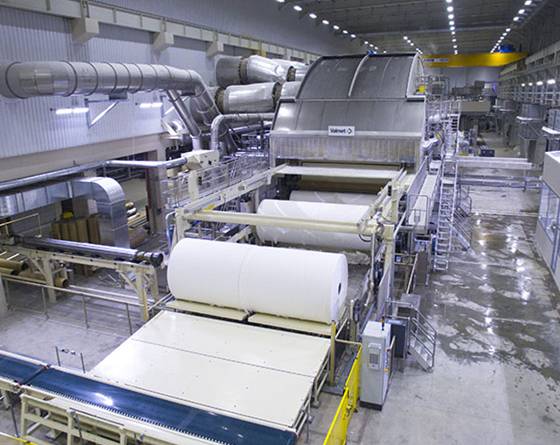
Paper and pulp is one of the more specialized applications in our industrial use mix.
Where This Fits in Our Application Mix
| Application Segment | Share of Global Market | Grade Typically Used |
| Water Treatment & Environmental | 27.5% | 95% & 98% |
| Chemical Synthesis & Catalysis | 22.5% | 98% High Purity |
| Battery Manufacturing | 17.5% | 98% High Purity |
| Metal Processing & Galvanizing | 13.5% | 95% Industrial |
| Oil & Gas Industry | 9% | 95% Industrial |
| Textile & Fiber Processing | 7% | 95% Industrial |
| Rubber & Vulcanization | 4.5% | 95% Industrial |
| Paper & Pulp Manufacturing | 3.5% | 95% Industrial |
Paper and pulp are our smallest stated segment by volume. That’s worth saying plainly upfront — this is a specialized, lower-volume use case, not a mainstream one. But it’s a real and well-documented use, and buyers in this space still need accurate, non-generic information, which is hard to find.
What Zinc Chloride Actually Does to Cellulose
The Core Chemistry
- Zinc chloride, especially in concentrated aqueous solution, has the ability to swell and partially gelatinize cellulose fibres.
- This is a different mechanism from most paper chemicals, which coat or bond to the fiber surface rather than acting on the cellulose structure itself
- Concentrated solutions can dissolve or soften cellulose, silk, and starch — a property that’s been documented in the chemical literature for over a century
Why This Matters for Paper Manufacturing
- It allows layers of cellulose fiber to bond together into a single, denser material after treatment
- It changes the physical properties of the finished paper — strength, density, and grease resistance — rather than just adding a surface coating
- It is one of only a small number of chemicals capable of this kind of direct cellulose modification at industrial scale
Vulcanized Fiber: The Main Real-World Application
What Vulcanized Fiber Is
Vulcanized fiber (also called parchmentized fiber) is a dense, layered cellulose material made by treating base paper with a concentrated zinc chloride solution. Despite the name, it has nothing to do with rubber vulcanization — the name is historical.
- Sheets of base paper (often cotton or wood pulp) are passed through a bath of concentrated zinc chloride solution
- The zinc chloride gelatinizes the surface of the cellulose fibers
- Multiple treated sheets are laminated together while still in the gel state
- The zinc chloride is then washed out in a series of desalting tanks, leaving a dense, bonded, laminated material behind
What Vulcanized Fiber Is Used For
| Property | Why It Matters |
| High mechanical strength | Used in electrical insulation, gaskets, and luggage/case shells |
| Abrasion resistance | Used as a backing material for coated abrasives (sandpaper) |
| Electrical insulating capability | Used in transformer and switchgear components |
| Low density relative to strength | Used where weight matters alongside durability |
The Process, Step by Step
- Pulping and base paper formation — raw cellulose is formed into base sheets
- Gelatinizing — sheets pass through a zinc chloride solution tank, where the fiber surface swells and gels
- Laminating — multiple gelled sheets are pressed together while still workable
- Desalting — the laminated board moves through a series of tanks with progressively weaker zinc chloride solution to wash the chemical back out
- Drying and calendering — the board is dried and pressed to final thickness
Technical Note: The zinc chloride used in the desalting stage is typically recovered, purified, and recirculated back into the gelatinizing tanks — production-scale vulcanized fiber operations are usually designed around a closed-loop zinc chloride system, not single-pass use. This is part of why consistent purity matters: contaminated recovered solution affects gelatinizing quality on every subsequent batch.
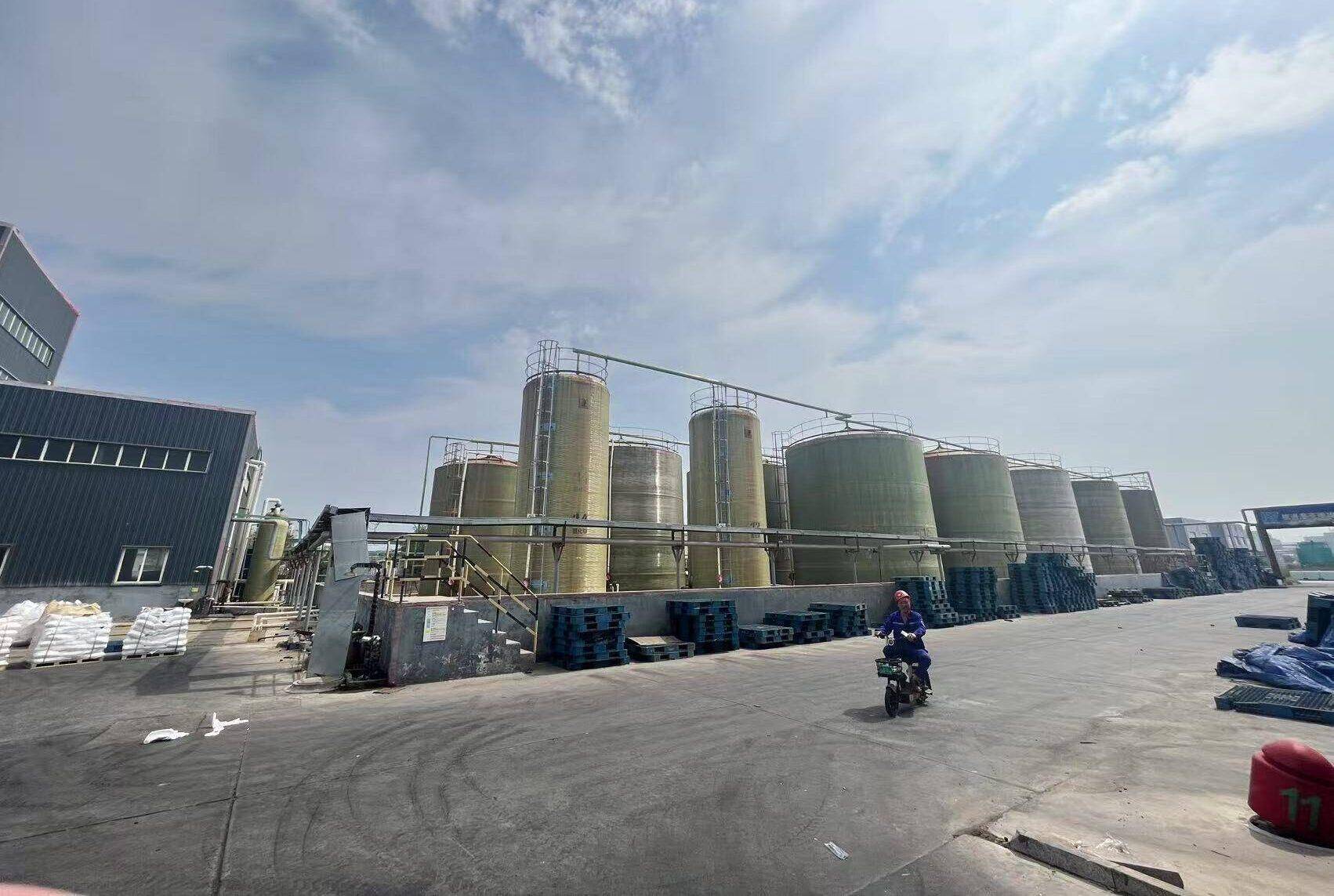
Consistent grade and purity matter more in closed-loop processes, where the same solution is reused across many batches.
Secondary Applications in Paper Processing
Paper Strength Treatment
- Impregnating paper with zinc chloride solution can increase tensile strength and grease resistance
- This is used in specialty papers where the base material needs added durability without a full vulcanized-fiber treatment
- Grease-resistant paper applications (packaging, industrial wrapping) are the most common use case here
Ink Removal from Recycled Paper
- Zinc chloride’s stated role here is contributing to ink separation during recycled paper processing
- This is a smaller and less universally documented use than vulcanized fiber production — most deinking chemistry in the wider industry relies on other agents (surfactants, ammonium-based coagulants, alkaline treatments)
- Buyers evaluating zinc chloride specifically for deinking should treat this as one option among several, not the industry-standard approach
Decision-Maker Insight: Because paper and pulp is a smaller, more specialized segment for us, the buying decision usually comes down to two things: whether your process genuinely needs zinc chloride’s cellulose-modifying properties (vulcanized fiber, strength treatment) and whether your supplier can maintain consistent purity across repeated batches – especially important if you’re running a closed-loop recovery system. A cheaper but inconsistent supply will cost you more in reprocessing than it saves on unit price. For sourcing questions, reach Tina (+86-157-2476-6919, Australia/Europe/North America) or Nancy (+86-135-5206-8103, Africa/Asia/South America) directly on WhatsApp.
Grade Selection for Paper and Pulp Applications
What Grade to Use
| Grade | Fit for Paper/Pulp | Notes |
| 95% Industrial Grade | Standard choice | Suitable for vulcanized fiber and paper strength treatment |
| 98% High Purity | Not typically needed | Reserved for performance-critical applications like batteries and pharmaceutical synthesis |
Full parameter tables for both grades are available in our specifications. If you’re unfamiliar with how zinc chloride is classified and sold, our guide on the different forms of zinc chloride covers anhydrous versus hydrated forms and solution concentrations.
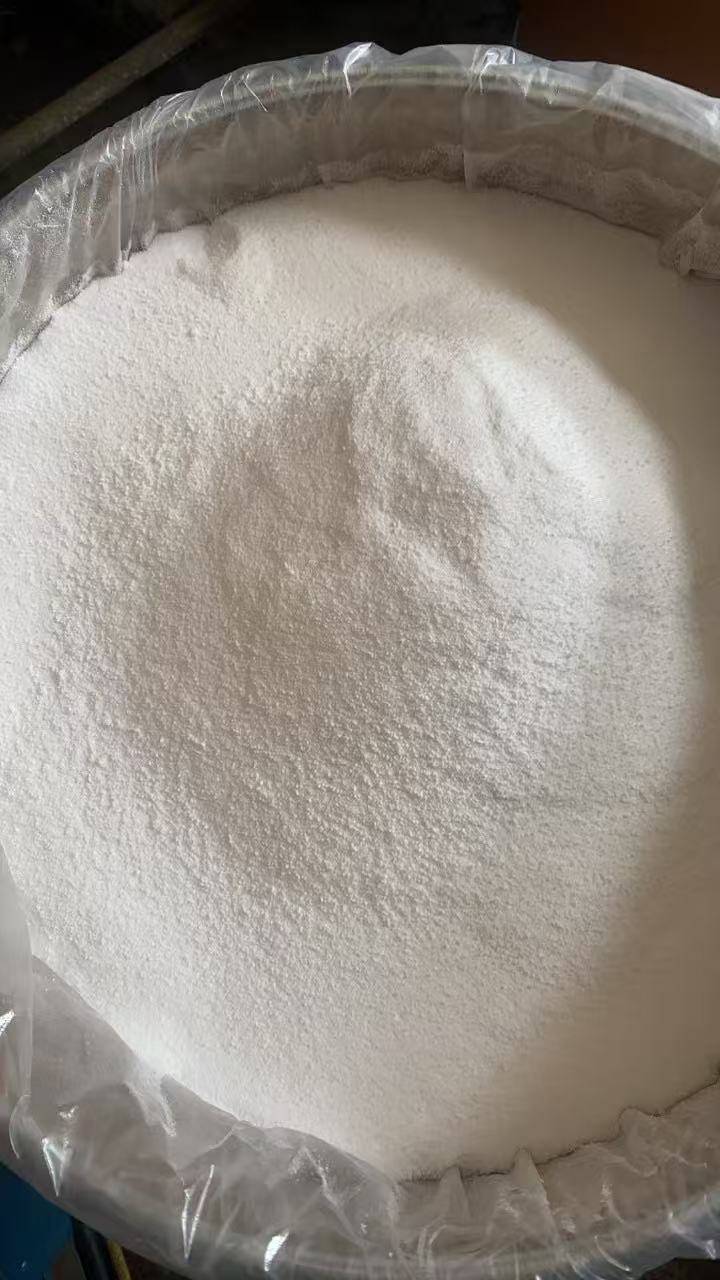
95% industrial grade covers the purity range needed for most paper and pulp applications.
Sourcing Checklist for Paper & Pulp Buyers
What to Verify Before Ordering
| # | Check | Why It Matters |
| 1 | Grade | Confirm 95% Industrial Grade fits your process before paying for 98% purity you don’t need |
| 2 | Certifications | Look for REACH, ISO 9001, and SGS or equivalent third-party testing |
| 3 | Certificate of Analysis (COA) | Ask for a COA per shipment, especially if you’re running recovered/recirculated solution |
| 4 | Packaging | Confirm moisture-resistant bagging — zinc chloride is highly deliquescent and will absorb moisture from the air if poorly sealed |
| 5 | Supplier verification | Confirm you’re buying from a real manufacturer, not a reseller with no visibility into batch consistency
|
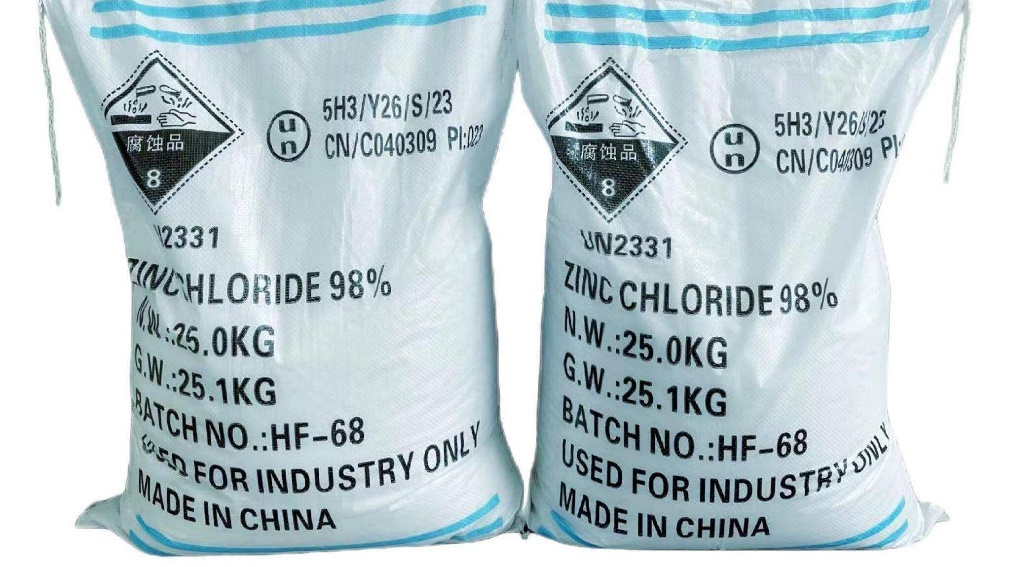
Moisture-resistant, clearly labeled packaging matters even more for a deliquescent chemical like zinc chloride.
First-Time Importer Resources
- Our certifications to verify guides break down what each certification actually confirms
- Our first-time importer guide covers the documentation questions most buyers ask before their first order
- Our packaging options page covers standard bulk bag and drum formats
- Nancy and Tina are both reachable directly on WhatsApp for regional sourcing questions
A Note on Track Record
We don’t currently have a published case study specific to a paper or pulp manufacturing customer — our documented success stories are concentrated in galvanizing, water treatment, and chemical synthesis/trading. For this segment, our certifications, batch-consistency process, and sample policy are the trust points worth leaning on rather than a case study we don’t have yet? If you’d like to verify a supplier before committing to volume, our guide on choosing a reliable bulk supplier explains how to check.
Looking to source the Right Zinc Chloride Grade for Your Application?
Contact our team today for a quotation, sample, and delivery timeline.
WhatsApp Us for Free a Consultation
Zinc Chloride in Industrial Applications: See it in Action!
Want to see how zinc chloride is used in a real industrial setting? Check out this short video. It demonstrates its crucial role in the metal treatment process.
FAQ
What does zinc chloride do in paper manufacturing?
- Zinc chloride swells and partially gelatinizes cellulose fibers, which is different from most paper chemicals that just coat the fiber surface
- This property is used mainly in vulcanized fiber production and, to a lesser extent, paper strength treatment
What is vulcanized fiber and how is zinc chloride used in it?
- Vulcanized fiber is a dense, laminated cellulose material made by treating base paper with concentrated zinc chloride solution, then laminating and washing the chemical back out
- It has nothing to do with rubber — the name is historical
Does zinc chloride help with deinking recycled paper?
- Zinc chloride is used for this in some processes, but it’s a smaller and less standardized application than vulcanized fiber production — most deinking chemistry in the broader industry relies on other agents
What grade of zinc chloride is used in paper and pulp manufacturing?
- 95% Industrial Grade is the standard choice for this segment
- 98% High Purity is not typically needed unless your process has an unusual purity requirement
What should I check before ordering zinc chloride for a paper/pulp process?
- Grade fit; REACH/ISO/SGS certifications; a batch-specific Certificate of Analysis; moisture-resistant packaging; and confirmation you’re buying from a real manufacturer

Supplier verification should include current quality documentation and batch-specific product records
Industrial Buyers: Next Steps for Sourcing Bulk Zinc Chloride
What makes our Zinc Chloride Better:
✅ Compliant with EU, UN, ISO Standards – No Legal Headaches
✅ Guaranteed Purity – Stability for your Processing Plant
✅ Batch-Specific COA Provided – Full Transparency per Shipment.
Download Our EU-approved FREE COA & Specifications. Specifications Page