



Most first-time importers compare zinc chloride quotes on price per ton and stop there. The bill that surprises them arrives later, at the port, when customs classifies the shipment and applies duties and taxes that were never in the budget. Getting zinc chloride HS codes and import duties right before the first order is one of the cheapest ways to protect your margin and your delivery date.
This guide covers the five mistakes we see first-time buyers make most often, and what to do instead. It is written for the owner or C-level buyer who signs off on the order, with technical notes for the colleague who handles the paperwork. The steps are the same whatever your industrial application is, and buyers from several segments have already followed this route, as our real buyer outcomes show. It is general guidance, not legal or customs advice, so confirm the final classification with a licensed customs broker in your country.
Ready to Talk Through Your First Zinc Chloride Order?
Send us your destination country, grade, and monthly volume, and we will confirm the product details and shipping documents you will need for customs.
Tina (Australia, Europe, North America):
WhatsApp Us for Free a Consultation
Nancy (Africa, Asia, South America):
WhatsApp Us for Free a Consultation
Why the HS Code Decides More Than You Think
The Harmonized System (HS) is the international product-classification system that customs authorities use to decide which duty rate, taxes, and rules apply to a shipment. The code on your paperwork is not a formality. It sets the starting point for what you pay and which regulations apply.
The Basics for Zinc Chloride
| Item | Detail |
|---|---|
| Product | Zinc chloride (ZnCl₂) |
| CAS number | 7646-85-7 |
| HS code (6-digit) | 2827.39 (chlorides, other) |
| UN number and class | UN 2331, Class 8 (corrosive) |
| Common grades | 95% Industrial, 98% High Purity |
The first six digits of an HS code are shared internationally. Beyond six digits, each country adds its own national tariff lines, and that is where duty rates are actually set.
Technical Note: Two shipments with the same 6-digit code can carry different duty rates in different countries, because the 8- or 10-digit national subheading differs. Always ask your customs broker for the full national tariff line, not just the 6-digit code shown on a supplier’s quotation.
Mistake 1: Treating the 6-Digit Code as the Whole Answer
The most common error is assuming that “2827.39” tells you what you will pay. It does not. It tells you the category.
What Actually Happens at Your Border
- Your country’s tariff schedule splits 2827.39 into national lines.
- Each line carries its own duty rate.
- Your broker selects the line based on the exact product description, form, and use.
How to Avoid It
- Ask your customs broker for the full national tariff line before you place the order.
- Request the duty rate for that specific line, in writing, so you can budget with it.
- Give the broker the product’s CAS number, grade, and form (powder, flakes, or solution) so the line is chosen accurately.
You can see the exact grade parameters your broker will need in our published zinc chloride specifications.
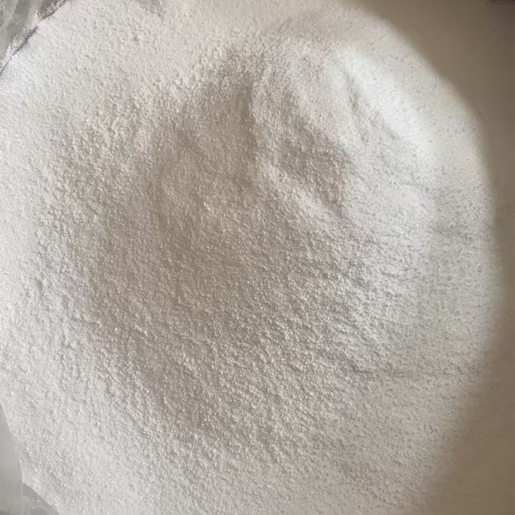
Give your customs broker the grade, form, and CAS number so the correct national tariff line is selected.
Mistake 2: Copying an HS Code From a Listing Without Checking It
Marketplace listings, forwarder blogs, and trade-data sites all publish HS codes for zinc chloride, and they do not always agree. It is one of the common first-time buyer mistakes we see when importing from China. Trade-data records show exporters declaring zinc chloride solution under many different codes, and even freight-industry articles have shown conflicting codes for the same product.
Why Codes Get Confused
- Zinc chloride is sold as anhydrous powder or flakes and as a solution, and each form can be described differently on paperwork.
- Related compounds such as zinc chloride hydroxide are classified separately, and a ruling on one compound does not automatically apply to another.
- Blended or formulated products may fall under a different heading altogether.
What to Do Instead
| Step | Action |
|---|---|
| 1 | Confirm the exact product: pure zinc chloride, not a blend or a related compound |
| 2 | Ask the supplier which HS code they will declare on export |
| 3 | Ask your own broker which code and national line applies on import |
| 4 | Reconcile the two at the 6-digit level before the order is confirmed |

Your technical staff can verify that the product description, grade, and form match the code on the paperwork.
Decision-Maker Insight: A wrong code is rarely caught at the time you order. It is caught at the border, when the shipment is already paid for and the container is already sitting in port. Spending one call with a broker before ordering costs far less than resolving a classification dispute afterwards.
Mistake 3: Budgeting Only the Headline Duty Rate
Even when the duty rate is correct, it is only one line in your landed cost. First-time buyers often compare a supplier’s price to a local price without adding everything that happens between the factory gate and your warehouse.
The Costs That Sit Around the Duty
| Cost item | What to check |
|---|---|
| Customs duty | Rate for your national tariff line and country of origin |
| Import VAT, GST, or sales tax | Rate and the value it is calculated on |
| Additional duties or trade remedies | Whether any apply to China-origin goods in your market |
| Preferential rates | Whether a trade agreement applies and whether origin rules are met |
| Broker and port charges | Clearance fees, terminal handling, storage, inspection |
| Freight and insurance | Depends on the Incoterm you agreed |
Duty and tax are commonly calculated on the customs value, which usually includes more than the price of the goods. Ask your broker how customs value is calculated in your country so your estimate reflects the real base.
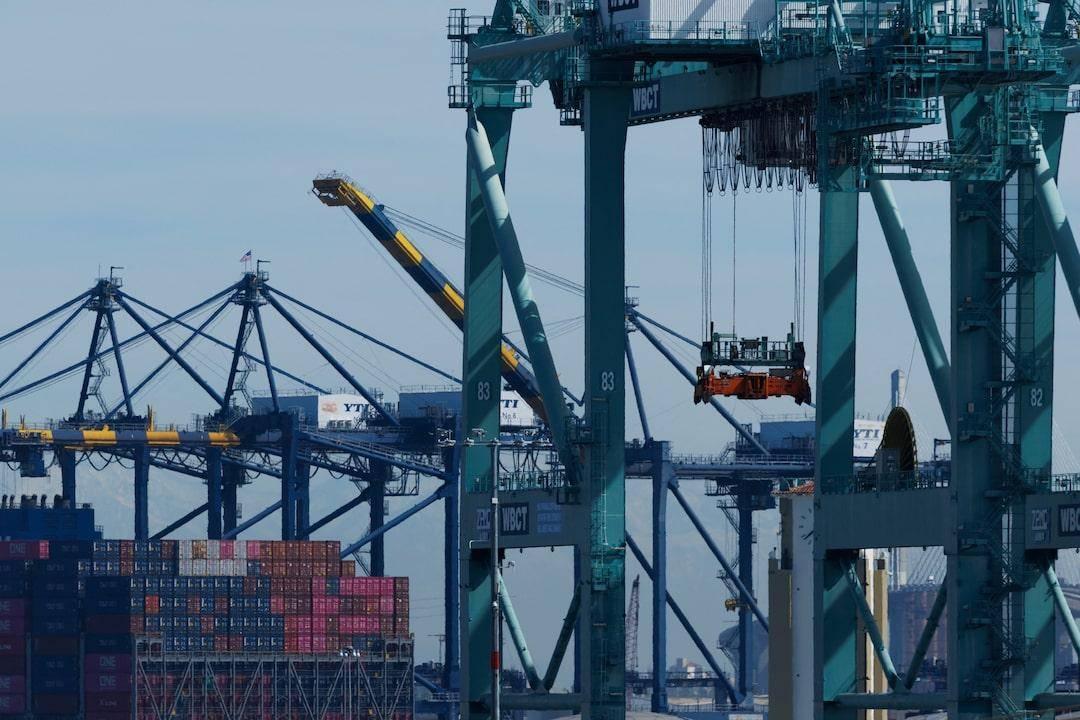
Landed cost includes port, freight, tax, and clearance charges as well as the duty itself.
For the market-side drivers behind the product price itself, our overview of factors affecting zinc chloride prices is a useful companion to this budgeting step.
Have Questions Before You Confirm Your First Order?
Tell us where the shipment is going and we will help you line up the documents your broker will ask for.
Tina (Australia, Europe, North America):
WhatsApp Us for Free a Consultation
Nancy (Africa, Asia, South America):
WhatsApp Us for Free a Consultation
Mistake 4: Ignoring the Rules That Come With the Code
The HS code does not only set duty. It also connects your shipment to the regulations that apply to that type of chemical. Buyers who focus on duty alone are often surprised by requirements that have nothing to do with the tariff.
Requirements to Check Before Shipping
- Dangerous goods rules: Zinc chloride ships as UN 2331, Class 8 (corrosive), which affects packaging, labeling, and the transport documents.
- EU REACH: Importing into the EU brings registration and compliance obligations. Our guide to zinc chloride REACH registration in the EU walks through what buyers need to know.
- US TSCA: In the United States, imported chemical substances can also fall under the Toxic Substances Control Act, administered by the EPA, in addition to duty.
- Local permits: Some countries require chemical import registration or permits regardless of duty. Check with your broker or local authority.
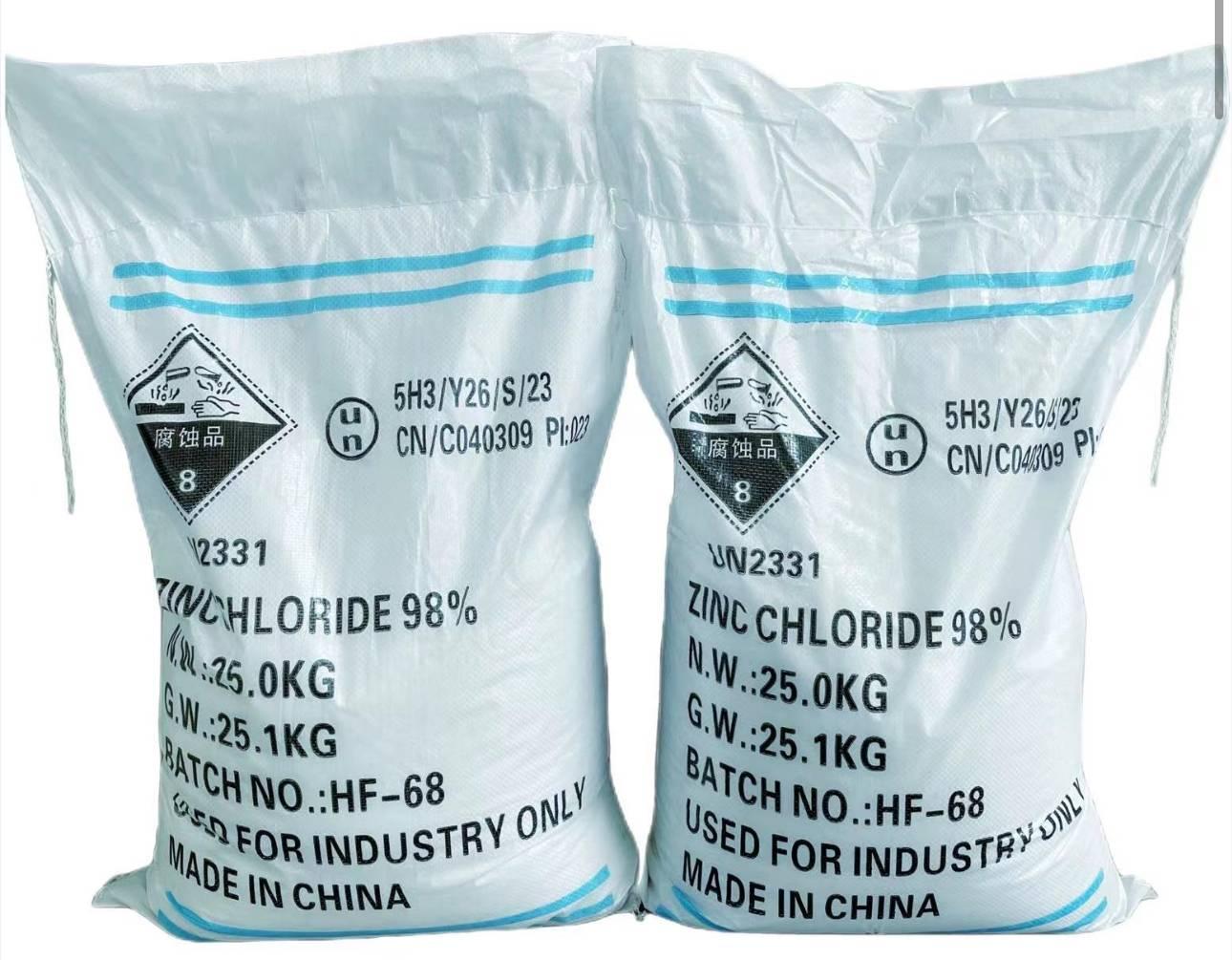
UN 2331 hazard labeling is part of the compliance picture that goes with the HS code.
Technical Note: Compliant packaging supports clean clearance. Zinc chloride is supplied in 25kg or 50kg moisture-resistant bags, or 1,000kg jumbo bags for large orders, with hazard labeling matching its classification. Our packaging guide explains the options and how they affect loading.
Mistake 5: Mismatched Documents and Unclear Duty Responsibility
Customs officers compare your documents against each other. When the product name, quantity, or code differs between the invoice, packing list, and certificate, the shipment can be held for inspection, and holds cost time and storage fees.
Documents That Should Match
| Document | Must agree on |
|---|---|
| Commercial invoice | Product name, grade, quantity, value, HS code |
| Packing list | Bag size, number of bags, gross and net weight |
| Bill of lading | Description, container details, consignee |
| Certificate of Analysis (COA) | Grade, batch number, test results |
| Safety Data Sheet (MSDS) | Product identity and hazard classification |
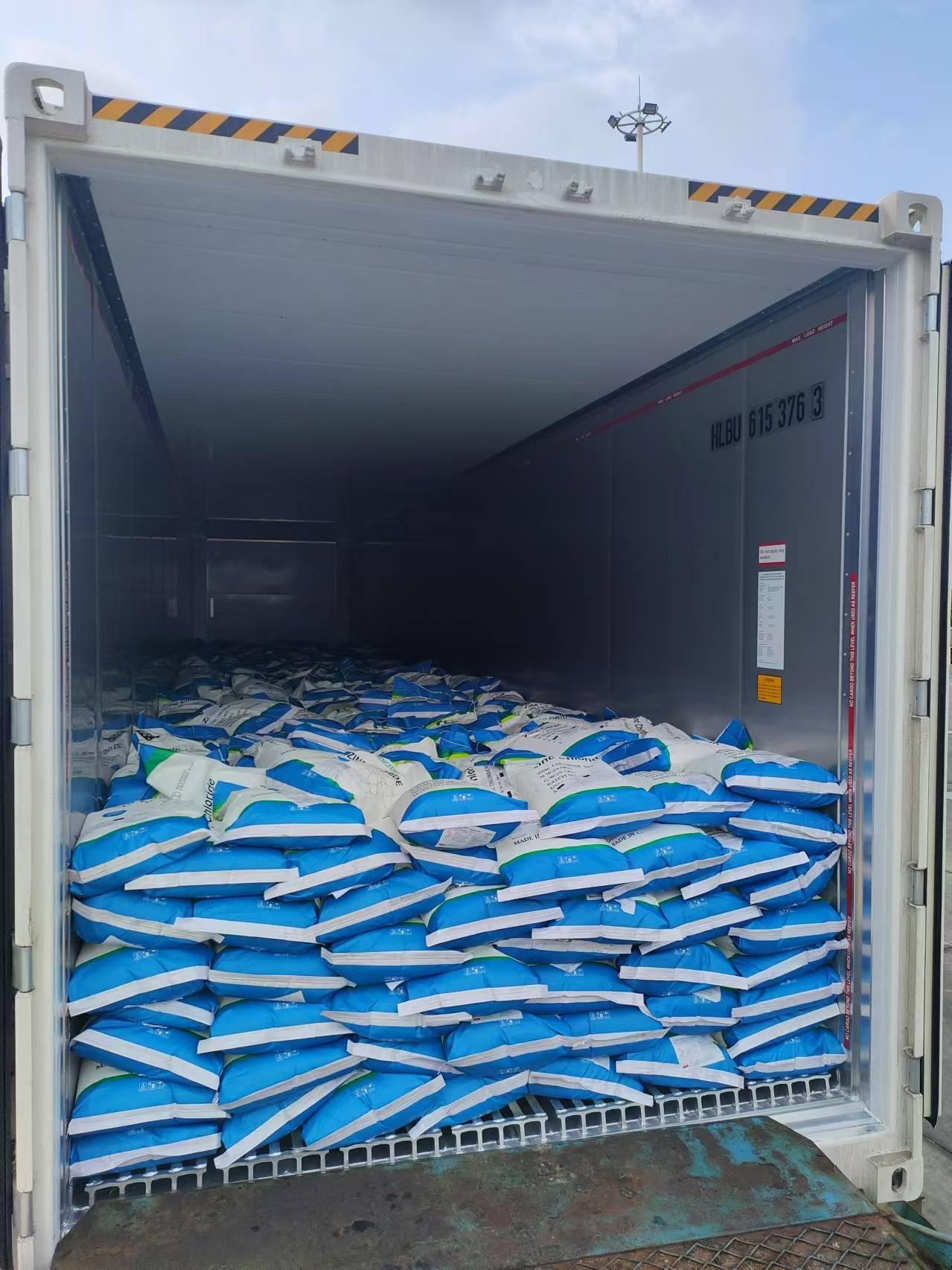
The bag count and weights on the packing list should match what is actually loaded in the container.
Who Pays What
Duty responsibility depends on the Incoterm. Under FOB or CIF, import duties and taxes at destination are normally the buyer’s responsibility. Under DDP, the seller takes them on. State the Incoterm clearly in your purchase order so there is no argument at the port.
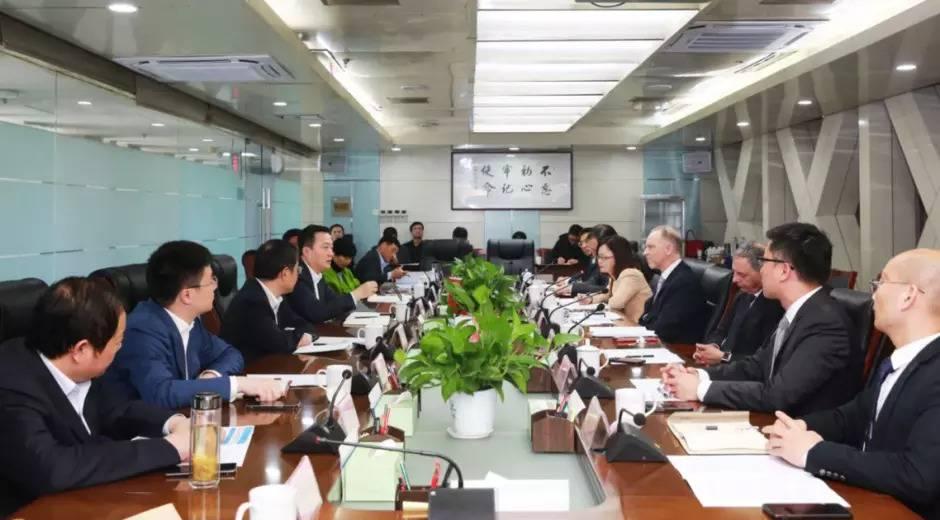
Agree the Incoterm and document set in the contract, not at the port.
If you are still choosing a supplier, our guide to certifications to check covers the credentials that make document sets easier to verify, including ISO 9001, SGS, REACH, COA, and MSDS.
Quick Reference: The 5 Mistakes and the Fix
| # | Mistake | The fix |
|---|---|---|
| 1 | Relying on the 6-digit code alone | Get the full national tariff line and its rate |
| 2 | Copying a code from a listing | Reconcile supplier and broker codes before ordering |
| 3 | Budgeting duty only | Build the full landed cost including tax and clearance |
| 4 | Ignoring rules tied to the code | Check dangerous goods, REACH, TSCA, and local permits |
| 5 | Mismatched documents, unclear duty owner | Align documents and fix the Incoterm in writing |
A Pre-Order Customs Checklist
Before you confirm the first order, work through these steps:
- Confirm the grade and form you need against the published specifications.
- Ask the supplier for the HS code they will declare and the full document set.
- Ask your broker for the national tariff line, the duty rate, and the tax base.
- Check whether dangerous goods, REACH, TSCA, or local permit rules apply to your route.
- Request a sample first, typically 500g to 1kg, so your team can test quality before the bulk order.
- Confirm the Incoterm and who pays duty in the purchase order.
For the full step-by-step path from inquiry to delivery, our first-time importer’s guide covers the process from the start, and our overview of zinc chloride suppliers in China helps you compare sourcing options.
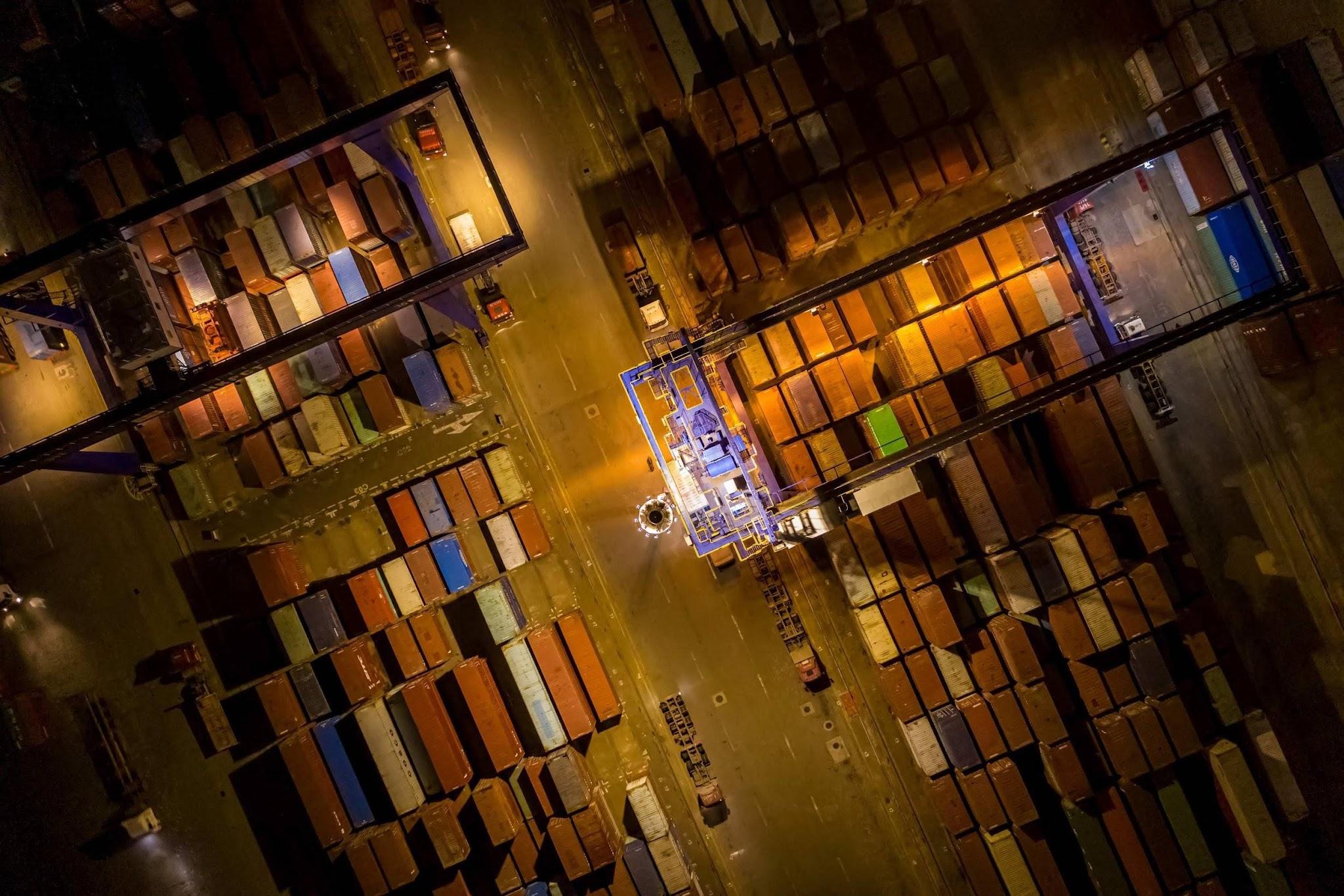
A clean document set and the right classification keep containers moving through the port.
Does the Application Change the Paperwork?
The end use does not usually change the classification of pure zinc chloride, but it does shape which grade you buy, and grade is what your documents must state. A water treatment plant and a battery manufacturer will specify different grades, so settle the grade for your process before finalizing the product description on your purchase order. Buyers who confirm the grade first, then request a sample, tend to reach a clean first shipment with fewer document corrections.
Once a buyer has these basics in order, the process usually moves quickly. Our parent company CAMAL Group applies the same document-first discipline across its wider sourcing work with industrial buyers.
Ready to Send Your Zinc Chloride Inquiry?
Have your destination and volume ready? Our team can confirm grade, packaging, and documents against your requirements.
Tina (Australia, Europe, North America):
WhatsApp Us for Free a Consultation
Nancy (Africa, Asia, South America):
WhatsApp Us for Free a Consultation
Want to see the product in a working industrial setting before you decide? Watch this short video: https://youtu.be/yFsCj34CDYc
Need a Second Opinion on Your Shipment Documents?
Send us your draft purchase order or shipping document list and we will point out anything that looks inconsistent before it reaches customs.
Tina (Australia, Europe, North America):
WhatsApp Us for Free a Consultation
Nancy (Africa, Asia, South America):
WhatsApp Us for Free a Consultation
Frequently Asked Questions
What is the HS code for zinc chloride?
The 6-digit HS code most widely used for zinc chloride is 2827.39, which covers other chlorides. Your country then applies its own national tariff line beneath it, so confirm the full code with your customs broker.
Is the import duty on zinc chloride the same in every country?
No. Duty rates are set nationally at the tariff-line level, and they can also depend on country of origin and any trade agreement in force. Ask your broker for the current rate on your specific line.
Who pays import duty when buying from China?
It depends on the Incoterm. Under FOB or CIF the buyer normally pays duties and taxes at destination. Under DDP the seller pays them. Agree this in writing before you order.
Do I need special permits to import zinc chloride?
Requirements vary by country. Zinc chloride is classified as a corrosive dangerous good (UN 2331, Class 8), and some markets add chemical registration rules such as REACH in the EU or TSCA in the United States. Check with your broker or local authority.
Which documents should I ask the supplier for?
At minimum, a commercial invoice, packing list, bill of lading, batch-specific COA, and MSDS, all with consistent product descriptions and codes.
Conclusion
Classification and duty problems are avoidable when they are handled before the order, not at the port. Confirm the national tariff line, reconcile the codes between supplier and broker, budget the full landed cost, check the rules attached to the code, and keep your documents consistent. To see how national tariff lines sit beneath the 6-digit code, the United States tariff schedule is a good example of how they are published at hts.usitc.gov.
Industrial Buyers: Next Steps for Sourcing Bulk Zinc Chloride
What makes our Zinc Chloride Better:
✅ Compliant with EU, UN, ISO Standards – No Legal Headaches
✅ Guaranteed Purity – Stability for your Processing Plant
✅ Batch-Specific COA Provided – Full Transparency per Shipment.
Download Our EU-approved FREE COA & Specifications. Specifications Page