


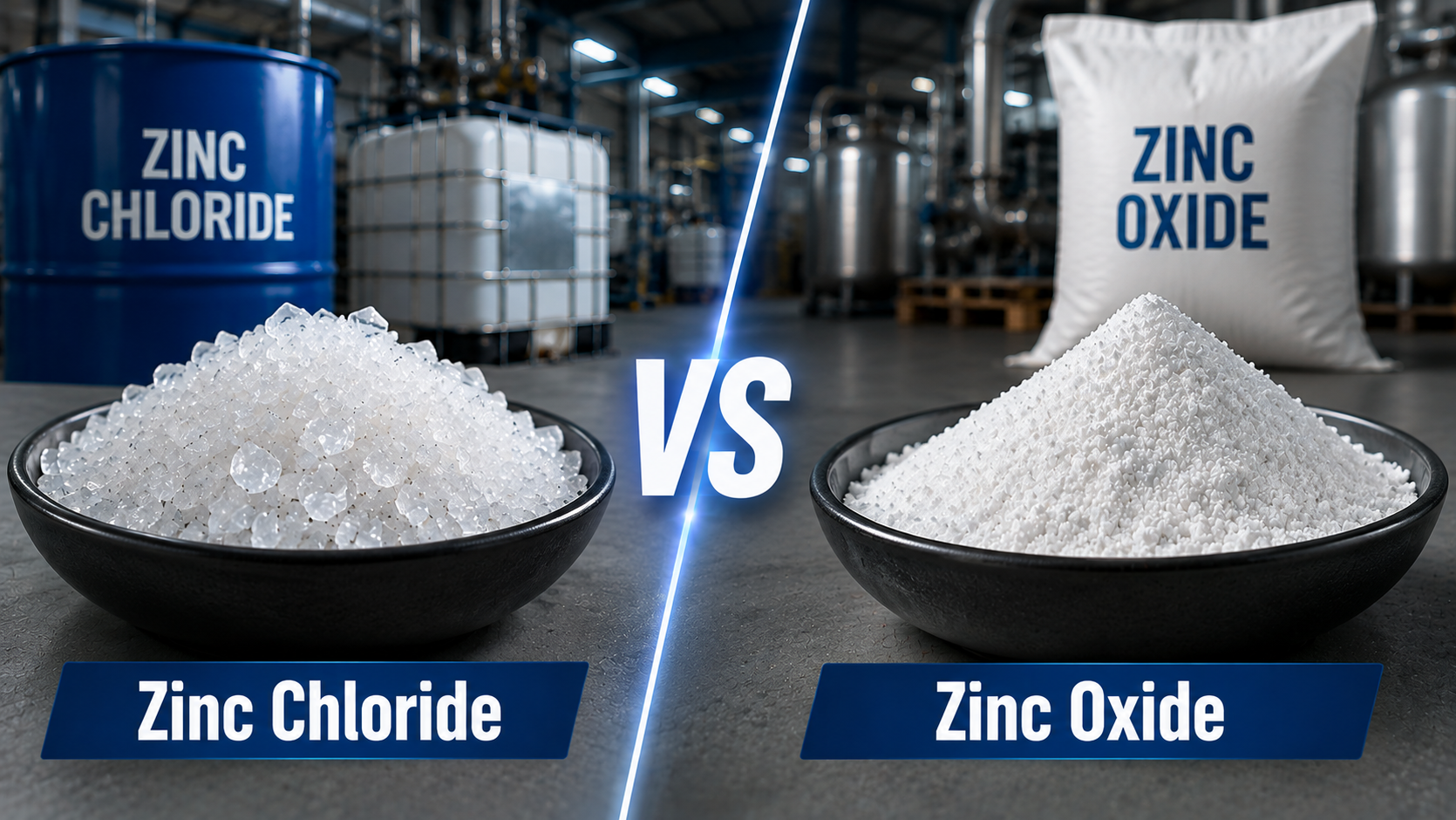
If you’ve been sourcing “zinc chemicals” for your plant and keep seeing both zinc chloride and zinc oxide pop up in supplier catalogs, you’re not alone. Buyers new to importing from China often assume these are two grades of the same material. They’re not. Getting this wrong before you place a bulk order can mean a container of the wrong chemical sitting in your warehouse.
This guide breaks down zinc chloride vs zinc oxide in plain terms: what each one is, which industries actually use each one, and how to confirm you’re ordering the right chemical — and the right grade — before you commit to a shipment.

Zinc chloride typically ships as a white crystalline powder or in pearl form.
Quick Comparison: Zinc Chloride vs Zinc Oxide
| Attribute | Zinc Chloride (ZnCl₂) | Zinc Oxide (ZnO) |
|---|---|---|
| Chemical formula | ZnCl₂ | ZnO |
| Water solubility | Highly soluble | Insoluble |
| Common grades | 95% industrial, 98% battery | Varies by particle grade |
| Main industrial uses | Galvanizing flux, battery electrolyte, chemical synthesis, water treatment, textile processing | Rubber vulcanization, pigments, ceramics, paints |
| Typical packaging | 25kg / 1,000kg bags, UN 2331 Class 8 | Varies by supplier |
| Do we supply it? | Yes | No |
What Zinc Chloride Actually Does
Zinc chloride is a highly water-soluble salt, which is exactly why it works so well as a chemical flux and catalyst. In galvanizing, it strips oxides from a steel surface right before the metal hits the molten zinc bath — without that step, the coating won’t bond properly. In battery manufacturing, it’s a core electrolyte component. In chemical synthesis, it acts as a Lewis acid catalyst and dehydrating agent used in producing pharmaceuticals and adhesives.
What Zinc Oxide Actually Does
Zinc oxide is a different animal chemically — it’s insoluble in water, which makes it useful in completely different ways. It’s best known as an accelerator in rubber vulcanization (most vehicle tires contain some zinc oxide), a whitening pigment in paints and ceramics, and a UV-blocking ingredient in sunscreen formulations. According to the PubChem database, zinc oxide’s low water solubility and high refractive index are what make it suited to these very different applications.
We’ll say this plainly: CamaZincChloride specializes in zinc chloride, not zinc oxide. If your process needs zinc oxide — rubber, ceramics, paints, cosmetics — this isn’t the right chemical for your order, and we’d rather tell you that now than have you discover it after your container ships.
Which Industries Actually Need Which Compound?
This is the part most comparison articles skip. Here’s the practical breakdown by industry:
Needs zinc chloride:
- Metal processing & galvanizing (flux for hot-dip galvanizing)
- Battery manufacturing (electrolyte component)
- Chemical synthesis & catalysis
- Water treatment (impurity removal, wastewater neutralization)
- Textile & fiber processing (dye fixing)
- Oil & gas (drilling fluid stabilization)
Needs zinc oxide (not what we supply):
- Rubber & tire vulcanization
- Paints, ceramics, and enamels
- Cosmetics and sunscreen formulations
If your business falls in the first list, keep reading — the rest of this guide is for you.
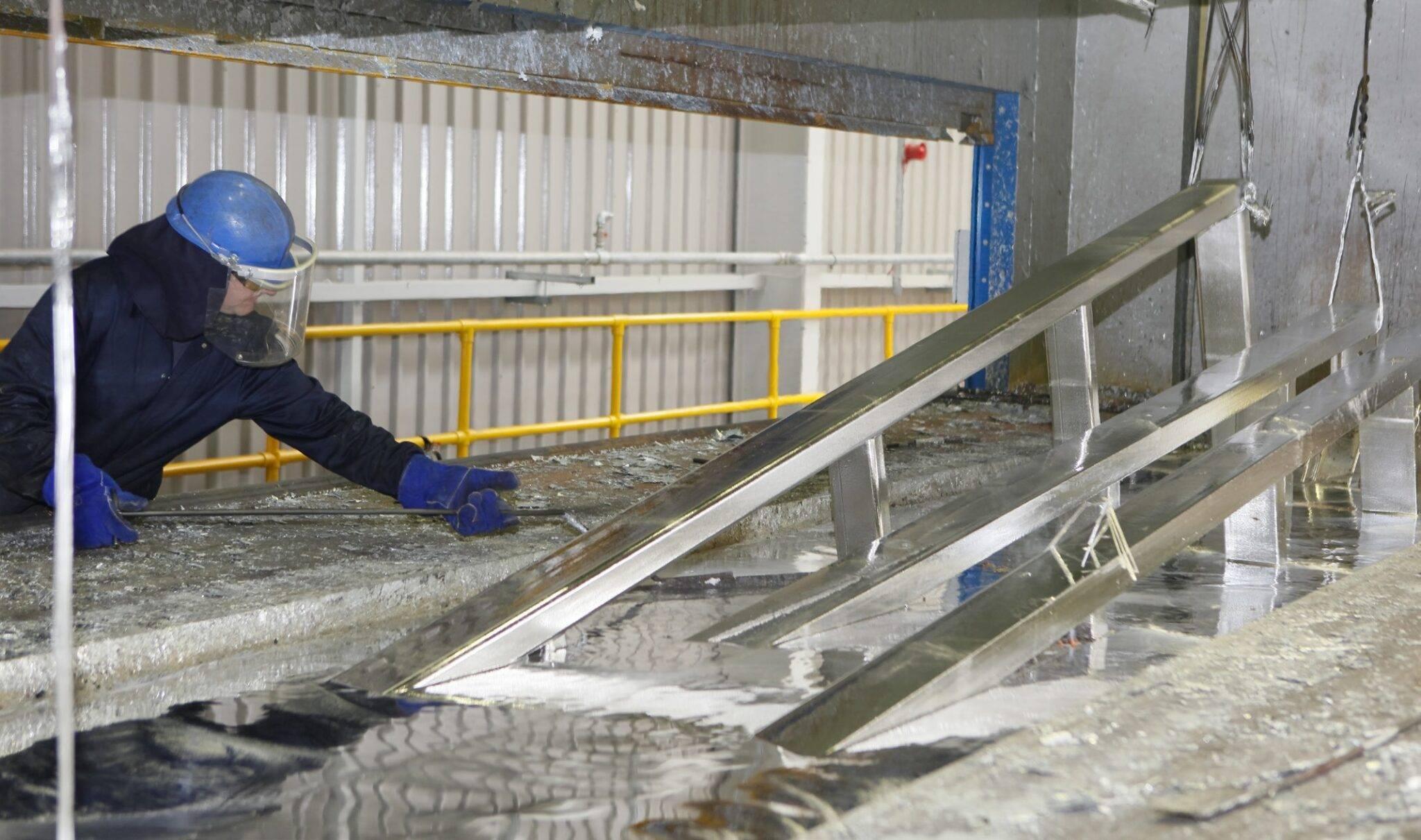
Zinc chloride flux prepares steel surfaces immediately before galvanizing.
WhatsApp Us for Free a Consultation
Grade Selection: 95% Industrial vs 98% Battery
Once you’ve confirmed you need zinc chloride, the next decision is grade. This is where the real cost and performance trade-offs live.
Technical Note: Our 95% industrial grade is priced for standard-volume applications — galvanizing flux, textile processing, oil & gas — where trace impurity levels don’t affect performance. Our 98% battery grade is a higher-purity electrolyte-quality material, needed for battery manufacturing and performance-critical chemical synthesis where consistency directly affects the finished product.

98% battery-grade zinc chloride is used where electrolyte consistency directly affects product performance.
A steel galvanizing customer in South Africa has run our 95% grade in production with consistent results and no quality complaints — the kind of proof point that matters more to a first-time importer than a spec sheet alone. You can see this and other real customer results on our success stories page.
Decision-Maker Insight: Don’t default to the higher grade “to be safe.” If your process is galvanizing, textile, or general chemical synthesis, the 95% industrial grade does the job at a lower landed cost. Paying for 98% battery grade when you don’t need it is money spent on purity your process can’t use.
How to Confirm You’re Ordering the Right Chemical
Before you send a purchase order, run through this checklist:
- Confirm the CAS number. Zinc chloride is CAS 7646-85-7. Zinc oxide is CAS 1314-13-2. If a supplier’s quote doesn’t match, ask before you pay a deposit.
- Check the packaging labeling. Zinc chloride ships UN 2331, Class 8 (corrosive) — this should appear on your documentation and bag labels.
- Request a sample first. A 500g–1kg sample lets your lab confirm grade and purity before you commit to a bulk order.
- Ask for batch-specific documentation. A legitimate supplier provides ISO 9001, SGS, REACH, and a Certificate of Analysis (COA) tied to your actual shipment — not a generic spec sheet.
- Verify the factory, not just the trading company. Many “suppliers” are trading companies reselling from the same handful of factories. Ask directly whether a factory visit is possible; a supplier that hesitates is a red flag. Our guide on vetting zinc chloride suppliers in China covers this in more depth.

Batch-specific COA plus REACH, ISO 9001, and SGS certification should back every shipment.
WhatsApp Us for Free a Consultation
A Note on Sourcing From China
Zinc chloride production in China clusters around a handful of established chemical manufacturing regions, with export shipments typically moving FOB Shanghai. Typical lead times run 7–21 days from confirmed order to vessel departure, though this varies by production schedule and packaging (25kg bags vs 1,000kg jumbo bags). As a Camachem subsidiary, CamaZincChloride sources from vetted factory production lines rather than acting as an anonymous trading middleman — the same standard our sister company Camasteel applies to its own steel sourcing and inspection work in China.
If your monthly volume runs above 50 tons, or you’re placing your first China order and want the extra documentation layer, our team can walk you through container options — 25kg bags without pallet, 25kg bags with pallet, or 1,000kg jumbo bags — based on your monthly use tier.
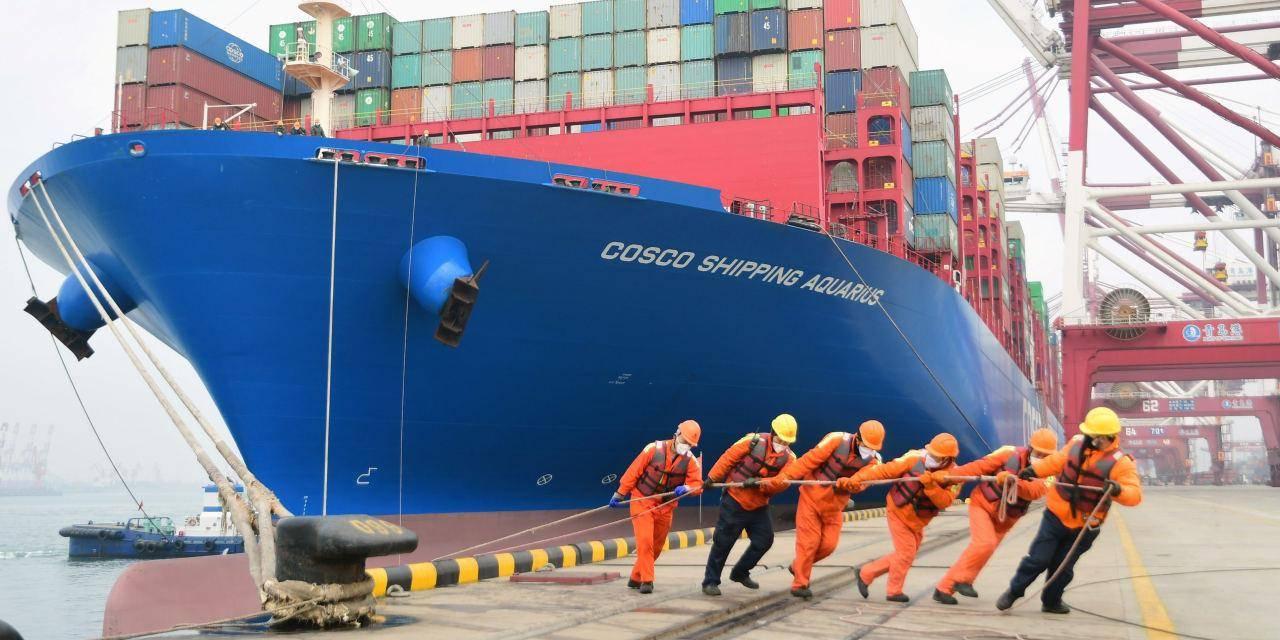
Zinc chloride shipments typically move FOB Shanghai with 7–21 day lead times.
FAQ
Is zinc chloride the same as zinc oxide?
No. They’re different compounds with different chemical formulas (ZnCl₂ vs ZnO), different solubility, and different industrial applications. Zinc chloride is used in galvanizing, batteries, and chemical synthesis; zinc oxide is used in rubber, pigments, and ceramics.
Can I substitute zinc oxide for zinc chloride in galvanizing flux?
No. Galvanizing flux relies on zinc chloride’s water solubility and its ability to strip oxides from the steel surface immediately before dipping. Zinc oxide is insoluble in water and doesn’t perform this function.
What grade of zinc chloride do I need for battery manufacturing?
Battery manufacturing typically requires our 98% battery-grade zinc chloride, due to the purity and consistency required for stable electrolyte performance.
Do you supply zinc oxide as well as zinc chloride?
No — we specialize exclusively in zinc chloride, at 95% industrial and 98% battery grade. If your process requires zinc oxide, this isn’t the right supplier for that order.
What documentation should I ask for before ordering zinc chloride in bulk?
Ask for ISO 9001, SGS, and REACH certification, along with a batch-specific Certificate of Analysis (COA) and MSDS. A 500g–1kg sample before your bulk order lets you verify these claims independently.
Conclusion
Zinc chloride and zinc oxide share a name and an element, but almost nothing else that matters to your process. If your plant runs galvanizing, battery manufacturing, water treatment, textile processing, or chemical synthesis, zinc chloride is the compound you need — and getting the grade right (95% industrial vs 98% battery) is the next decision that actually affects your cost and output. If you’re still not sure which grade fits your application, our team can walk through your specific process before you commit to an order.
Ready to Buy Zinc Chloride From a Verified Source?
Contact our team today for a quotation, sample, and delivery timeline.
WhatsApp Us for Free a Consultation
Zinc Chloride in Industrial Applications: See It in Action! Want to see how zinc chloride is used in a real industrial setting? Check out this short video. It demonstrates its crucial role in the metal treatment process.
Industrial Buyers: Next Steps for Sourcing Bulk Zinc Chloride
What makes our Zinc Chloride Better:
✅ Compliant with EU, UN, ISO Standards – No Legal Headaches
✅ Guaranteed Purity – Stability for your Processing Plant
✅ Batch-Specific COA Provided – Full Transparency per Shipment.
Download Our EU-approved FREE COA & Specifications. Specifications Page