



What’s the price of zinc chloride?” is one of the most common questions we get — and it’s also one of the hardest to answer honestly with a single number. Anyone who’s searched this term has probably already noticed the problem: one source says $3–7 per kilogram, another cites $1,000–1,400 per metric ton, and a supplier listing shows a completely different figure again. None of these are wrong. They’re just answering different questions.
This guide breaks down what actually determines zinc chloride price, shows real market data so you have honest context, and explains how to get a number that’s actually accurate for your order.
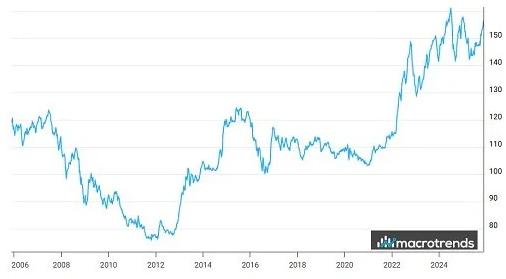
Zinc chloride pricing moves with several independent factors, not one single market number.
Why “What’s the Price?” Doesn’t Have a Single Answer
A published “zinc chloride price” almost always describes one specific scenario — a specific grade, a specific region or a specific volume tier. Change any one of those variables and the number changes with it, and pricing can also vary depending on which of our industry applications you’re sourcing for. Before looking at a quote, it helps to know which variables actually matter.
The Five Factors That Actually Determine Your Price
| Factor | How It Moves the Price |
|---|---|
| Grade (95% vs. 98%) | Higher-purity grade costs more per ton. |
| Order volume / packaging tier | Larger, bulk-packed orders lower the per-ton cost. |
| Factory-direct vs. trading company | Trading company markups add cost without adding value. |
| Incoterm (FOB / CIF / DDP) | Freight, insurance, and customs handling shift who pays what and when. |
| Raw zinc market cycles | Zinc ore and energy costs move the baseline price up or down. |
Grade — 95% Industrial vs. 98% High Purity
Our 95% and 98% specifications differ in impurity limits — iron, sulfate, and heavy-metal content — not just in the headline purity number. The 98% grade costs more to produce and typically carries a real per-ton premium. Our 95% vs. 98% comparison breaks down which applications actually require the higher grade and which don’t.
Order Volume and Packaging Tier
| Packaging Tier | Typical Volume | Price Impact |
|---|---|---|
| 25kg bags (small order) | Under 10 tons | Highest per-ton cost |
| 25kg/50kg bags (container load) | 20–27 tons | Standard bulk pricing |
| 1,000kg jumbo bags | Full container | Lowest per-ton cost, fastest unloading |
Full packaging details are in our packaging guide.
Factory-Direct vs. Trading Company Markup
Not every “supplier” you find is the factory producing the material. Many are trading companies buying from a factory and adding a margin before reselling to you. That markup is invisible in a quote — it just shows up as a higher number with no explanation. Our comparison of buying direct from a factory vs. a trading company covers how to tell the difference before you commit, and our buyer’s guide to leading suppliers in China covers common bulk-pricing questions we hear from first-time buyers.
Incoterm (FOB, CIF, DDP)
- FOB (Free on Board): You arrange and pay for ocean freight from the Chinese port onwards
- CIF (Cost, Insurance, Freight): Freight and insurance to your destination port are included in the quoted price
- DDP (Delivered Duty Paid): Everything — freight, insurance, customs, duties — is included in one number
Two quotes with very different headline numbers can represent the exact same underlying product cost once the incoterm is accounted for.
Raw Zinc Market Cycles
Zinc chloride is produced from zinc metal, so its baseline cost tracks zinc ore availability, smelter output, and energy costs at the production stage. This is the one factor genuinely outside any supplier’s control — and it’s also the reason a quote from six months ago isn’t a reliable reference point today.

Energy costs at the production stage are one of the least visible but most significant drivers of baseline price.
What Real Market Data Shows
Rather than quote our own number in isolation, it’s more useful to show the actual range third-party market data has reported recently:
| Region | Reported Price (per Metric Ton, 2025 data) |
|---|---|
| United States | ~$1,287–1,296/MT |
| Russia | ~$1,387/MT |
| Brazil | ~$1,182/MT |
| South Africa | ~$998–1,045/MT |
| China (standard grade, factory-gate) | Under $1,500–1,600/MT |
| North America / Europe (landed) | ~$1,750–2,100/MT |
According to IMARC Group’s zinc chloride price index, regional differences like these are driven mainly by zinc ore availability, energy costs, and freight — not by grade quality differences between suppliers in different regions.
Decision-Maker Insight
Notice how wide these ranges are even within a single quarter. If a quote you’ve received looks unusually low or high compared to this range, that’s a reason to ask which grade, packaging tier, and incoterm it’s based on — not necessarily a reason to assume the supplier is dishonest. Price transparency starts with asking what’s actually included.
The Retail-Price Trap: Why $3–7/kg Isn’t Your Bulk Price
Some pricing sources quote zinc chloride at $3–7 per kilogram — which works out to $3,000–7,000 per metric ton, several times higher than the bulk ton pricing shown above. That figure typically reflects small-quantity, laboratory, or speciality-grade pricing, not bulk industrial procurement. If you’re sourcing 25+ tons for an industrial process, this figure isn’t a useful reference point for what you should expect to pay — it’s a different market entirely.
Why First-Time Importers Get Pricing Wrong
- Comparing quotes without matching the incoterm — an FOB quote will always look cheaper than a DDP quote for the same material
- Assuming a trading company quote is a factory price — the markup is real even when it’s not itemized
- Requesting the 98% grade for a 95% grade application — paying for purity the process doesn’t need
- Treating a six-month-old price as current — raw zinc market movement makes old quotes unreliable
- Not requesting a sample before locking in a bulk order — a lower price on unverified material isn’t actually cheaper if the batch fails your process
From Sample to Bulk Order: How Pricing Actually Gets Confirmed
A reliable quote isn’t a number pulled from a price list — it’s confirmed through a short process:
- Consultation — confirm your application, required grade, and monthly volume
- Sample — request 500 g–1 kg to test against your own process before committing
- Trial order — a smaller container-load order to confirm consistency at scale
- Ongoing contract — pricing locked in for repeat shipments once the relationship is established

An accurate, reliable price is confirmed through this process — not read off a static price list.
WhatsApp Us for Free a Consultation
Trust Signals That Matter More Than a Quoted Number
A slightly lower price from an unverified supplier is a false economy if the shipment fails a purity check, arrives out of spec, or can’t be repeated consistently. Before comparing numbers, confirm:
- ISO 9001, SGS, and REACH certifications are available on request — see our supplier certifications guide
- A batch-specific COA, not a generic spec sheet
- A track record of repeat orders, not just a first sale — one of our Peruvian construction-galvanizing customers switched to us specifically after facing rising costs and unreliable delivery from a previous overseas supplier and has since placed repeat orders of 100 tons per quarter on a long-term basis (see our success stories)
- A real factory relationship, not a reseller — our first-time importer’s guide covers how to verify this

Packaging quality and consistency matter as much as the number on the quote.
Reach us on WhatsApp (Africa, Asia, South America):
WhatsApp Us for Free a Consultation
If you’re sourcing multiple industrial chemicals from China, not just zinc chloride, our parent company CAMAL Group provides broader B2B sourcing and procurement support that can help consolidate freight and supplier vetting across materials.
Technical Note: How Packaging and Concentration Affect Landed Cost
A few technical details affect landed cost beyond the raw per-ton price:
- Solid vs. solution form. Anhydrous zinc chloride (solid) ships more efficiently per ton than a pre-dissolved solution, since you’re not paying freight on water weight.
- Moisture-resistant packaging. Zinc chloride is highly hygroscopic; packaging built to prevent moisture absorption costs slightly more upfront but avoids costly rejected shipments.
- Container utilization. 1,000kg jumbo bags typically achieve better container fill rates than smaller 25kg bags, lowering effective freight cost per ton.
- Customs classification. Correct HS code classification and UN 2331, Class 8 documentation avoid customs delays that add real cost even when the product price itself is unchanged.
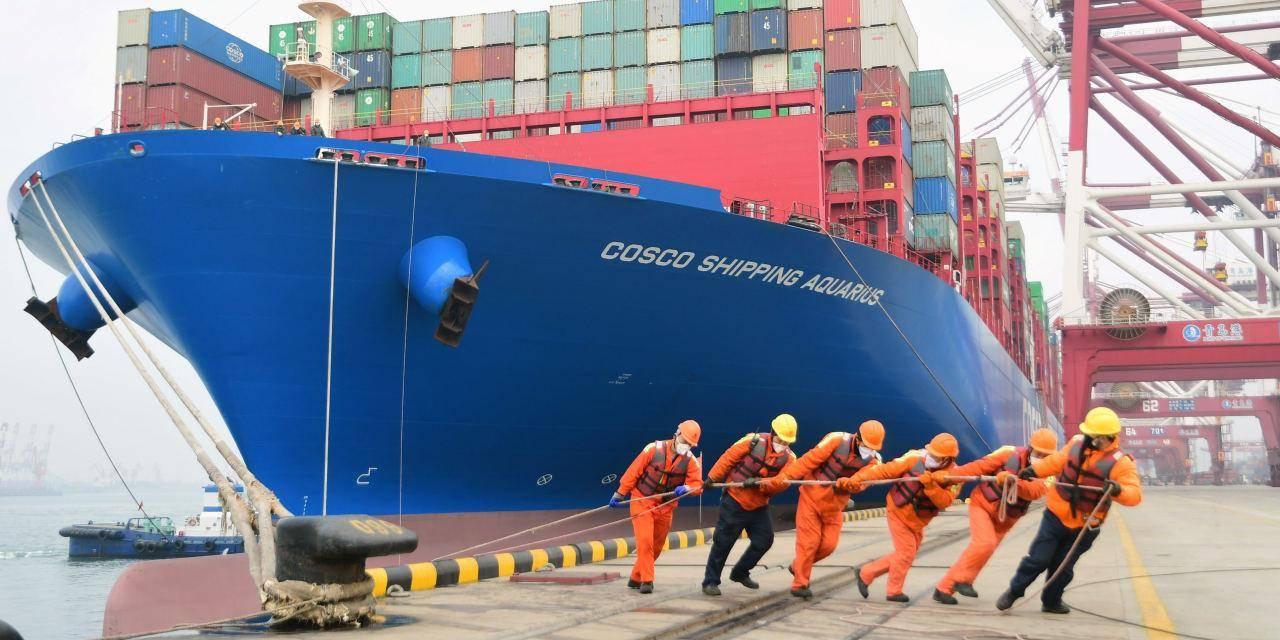
Freight terms and container utilization affect your landed cost as much as the base chemical price.
Ready to Buy Zinc Chloride From a Verified Source?
Contact our team today for a quotation, sample, and delivery timeline.
WhatsApp Us for Free a Consultation
Zinc Chloride in Industrial Applications: See It in Action!
Want to see how zinc chloride is used in a real industrial setting? Check out this short video. It demonstrates its crucial role in the metal treatment process.
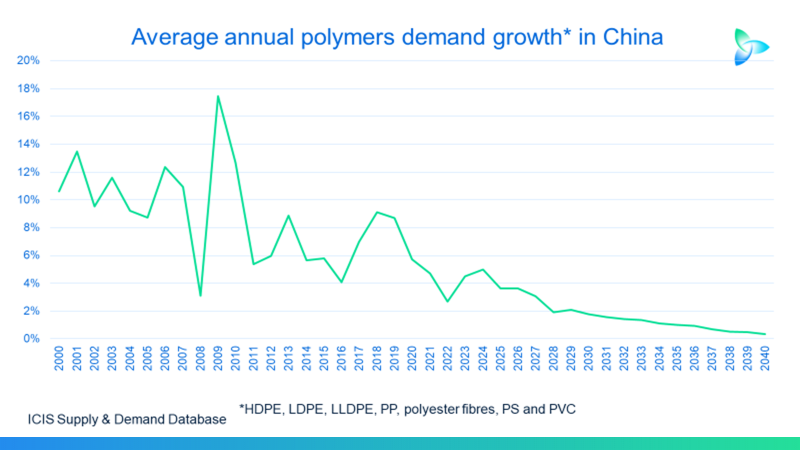
An accurate quote accounts for market conditions at the time of your order, not a historical average.
FAQ
How much does zinc chloride cost per ton?
Bulk industrial-grade zinc chloride has recently ranged roughly from $1,000 to $1,600 per metric ton at the factory-gate level in China, with landed pricing in North America and Europe running higher — typically $1,750–2,100 per metric ton — once freight, insurance, and duties are included. Exact pricing depends on grade, volume, and current market conditions.
Why do I see zinc chloride priced at $3–7 per kilogram?
That figure reflects small-quantity or speciality-grade pricing, not bulk industrial procurement. Bulk ton pricing works out to a fraction of that per-kilogram rate.
Does 98% grade zinc chloride cost significantly more than 95%?
Yes, there is typically a real per-ton premium for the 98% High Purity grade due to tighter impurity limits and additional processing. Most oilfield, water treatment, and metal processing applications only require the 95% industrial grade.
Why do quotes from different suppliers vary so much for the same grade?
The most common reasons are a mismatched incoterm (FOB vs. CIF vs. DDP), a trading company markup versus a factory-direct price, or different packaging tiers being compared.
Can I get a fixed price for future orders?
Pricing can be discussed for ongoing contracts once a trial order has confirmed consistency, but raw zinc market movement makes long-term fixed pricing something to negotiate directly rather than assume from an initial quote.
Industrial Buyers: Next Steps for Sourcing Bulk Zinc Chloride
What Makes Our Zinc Chloride Better:
✅ Compliant with EU, UN, ISO Standards – No Legal Headaches
✅ Guaranteed Purity – Stability for Your Processing Plant
✅ Batch-Specific COA Provided – Full Transparency per Shipment.
Download Our EU-approved FREE COA & Specifications. Specifications Page