



Zinc chloride is used across a wide range of industrial processes, from metal treatment and galvanizing to chemical synthesis, battery manufacturing, textiles, water treatment, rubber and paper production.
For industrial buyers, however, knowing that zinc chloride is widely used is only the starting point. The more important questions are: Which grade is appropriate for the application? What specifications matter? And what should you verify before purchasing in bulk?
Zinc chloride is available in different purity levels, and the right choice depends on the requirements of the production process. For manufacturers buying several tons at a time, consistency, documentation, packaging and supply reliability can be just as important as the headline price.
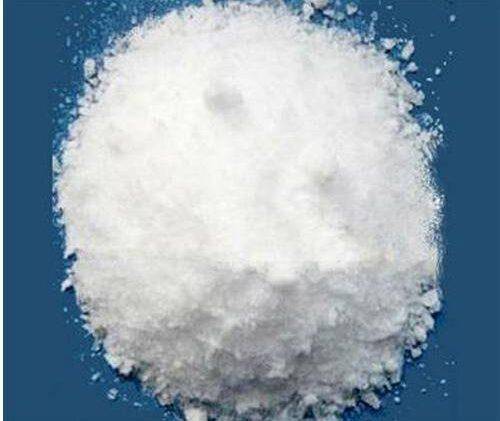
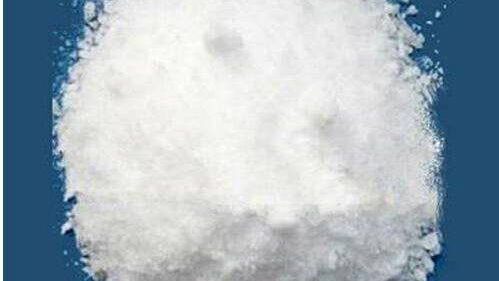
Zinc chloride (ZnCl₂) appears as a fine powder used in industrial processing.
What Is Zinc Chloride Used for in Industry?
Zinc chloride (ZnCl₂) is a highly soluble inorganic compound used because of its chemical reactivity and its ability to function as a flux, catalyst, dehydrating agent and processing aid.
Industrial applications include:
- Metal processing and galvanizing
- Chemical synthesis and catalysis
- Battery manufacturing
- Water treatment
- Oil and gas operations
- Textile and fiber processing
- Rubber and vulcanization
- Paper and pulp manufacturing
The specific role of zinc chloride changes from one industry to another. That is why industrial buyers should evaluate the chemical according to the process rather than simply choosing the highest available purity.
1. Metal Processing and Galvanizing
One of the major industrial uses of zinc chloride is metal surface treatment and galvanizing.
In hot-dip galvanizing, zinc chloride acts as a flux. It helps remove oxides from the metal surface and prepares the steel for better contact with molten zinc.
A consistent flux is important because surface preparation directly affects coating quality. Excess impurities can interfere with the process and contribute to defects or additional rework.
Our zinc chloride for galvanizing guide explains how grade selection and impurity levels can affect galvanizing operations.
Which grade is suitable for galvanizing?
The appropriate grade depends on the requirements of the galvanizing operation. CamaZincChloride offers a 95% industrial grade and a 98% high-purity grade, allowing buyers to match the product to their process requirements.
A real customer example illustrates why consistency matters: a steel galvanizing plant in Poland reported inconsistent quality from local suppliers before receiving 95% industrial-grade zinc chloride in 50-ton shipments. The supply subsequently developed into an ongoing partnership.
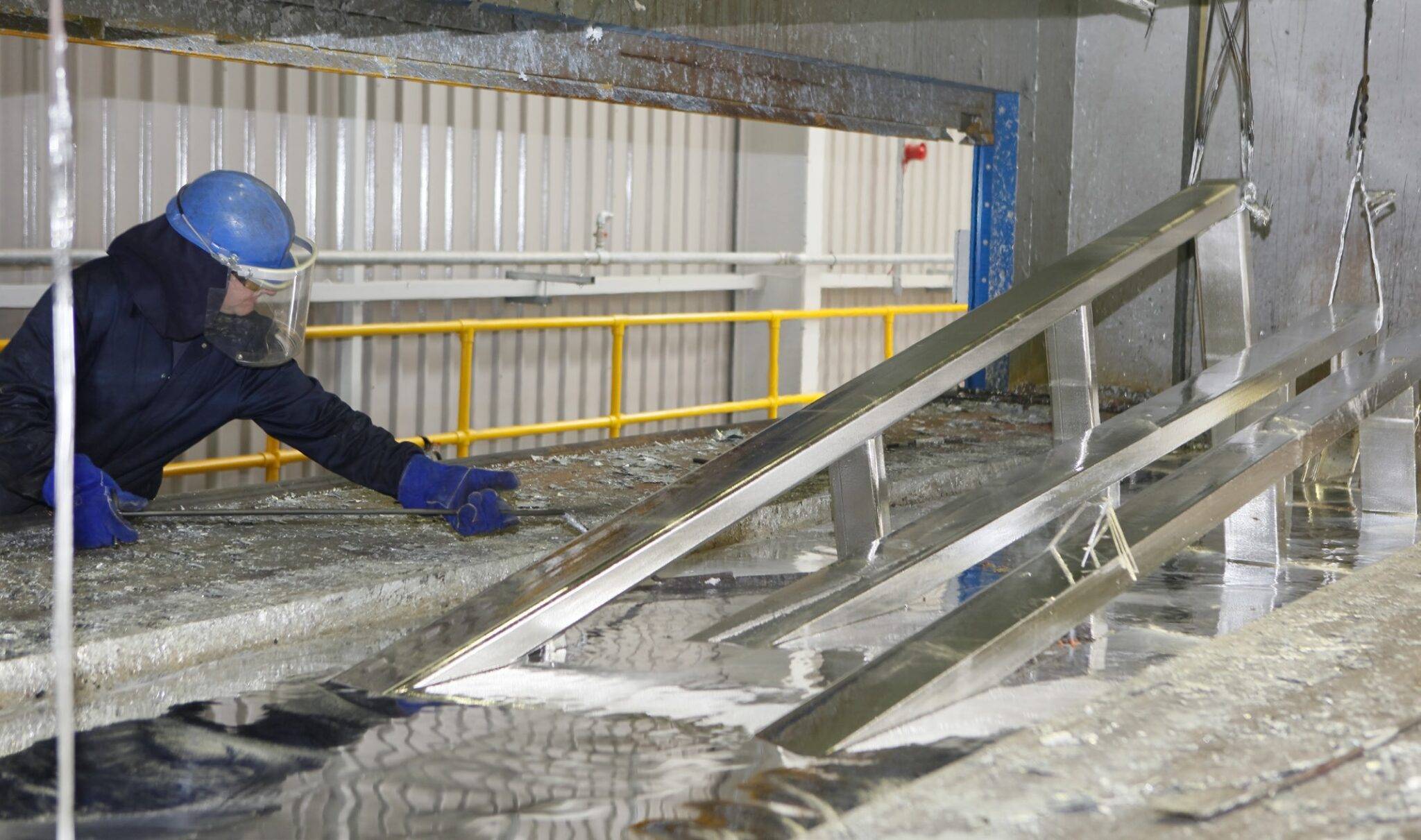
Zinc chloride is commonly used to support metal processing and galvanizing operations.
2. Chemical Synthesis and Catalysis
Zinc chloride is also valuable in chemical manufacturing because it can function as a Lewis acid catalyst and dehydrating agent.
Its chemical properties make it useful in organic synthesis and in the production of materials such as pharmaceuticals and adhesives.
For chemical manufacturers, purity and impurity limits can become particularly important because unwanted contaminants may affect a reaction or the consistency of the finished product.
This is one application where buyers may need to pay closer attention to the difference between standard industrial grade and higher-purity material.
Our zinc chloride specifications provide the available purity and impurity limits for the two grades.
3. Battery Manufacturing
Zinc chloride is used as an electrolyte component in certain battery manufacturing processes, including dry-cell battery applications.
Because battery production can be sensitive to impurities, manufacturers should not select zinc chloride based solely on the stated ZnCl₂ percentage. Parameters such as iron, sulfate, water-insoluble material and heavy metals can also matter.
For applications with tighter purity requirements, a higher-purity grade may therefore be appropriate.
Our existing guide on zinc chloride for batteries covers the role of zinc chloride in battery production in greater detail.
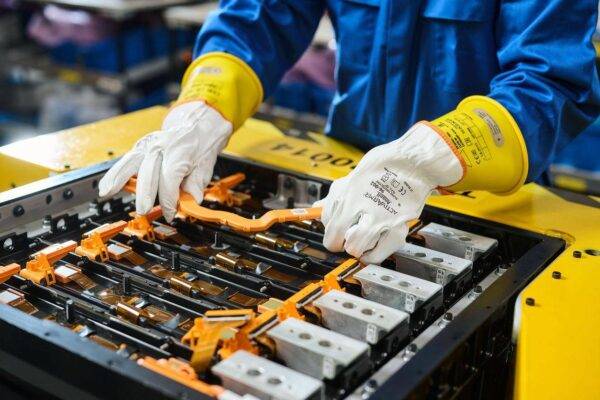
Zinc chloride can be used as an electrolyte component in certain battery manufacturing processes.
4. Water Treatment
Zinc chloride also has applications in specialized water-treatment processes.
CamaZincChloride identifies uses including impurity removal, rust prevention in metal equipment and treatment of harmful wastewater contaminants.
The appropriate grade depends on the treatment process and the specifications required by the facility. Buyers should therefore establish the technical requirements of the treatment system before selecting a product.

Zinc chloride is used in specialized water-treatment and wastewater detoxification processes.
A real customer example is available from an industrial wastewater-treatment operation in Australia that required high-purity zinc chloride for advanced wastewater detoxification and subsequently received 98% high-purity zinc chloride at 30 tons per month.
5. Oil and Gas Applications
Zinc chloride is also used in certain oil and gas operations.
Its identified applications include:
- Stabilizing clay during drilling operations
- Assisting oil-water separation
- Supporting sulfur removal from crude oil
For buyers in this sector, application-specific requirements should determine the grade and specification rather than assuming that one zinc chloride grade is suitable for every operation.
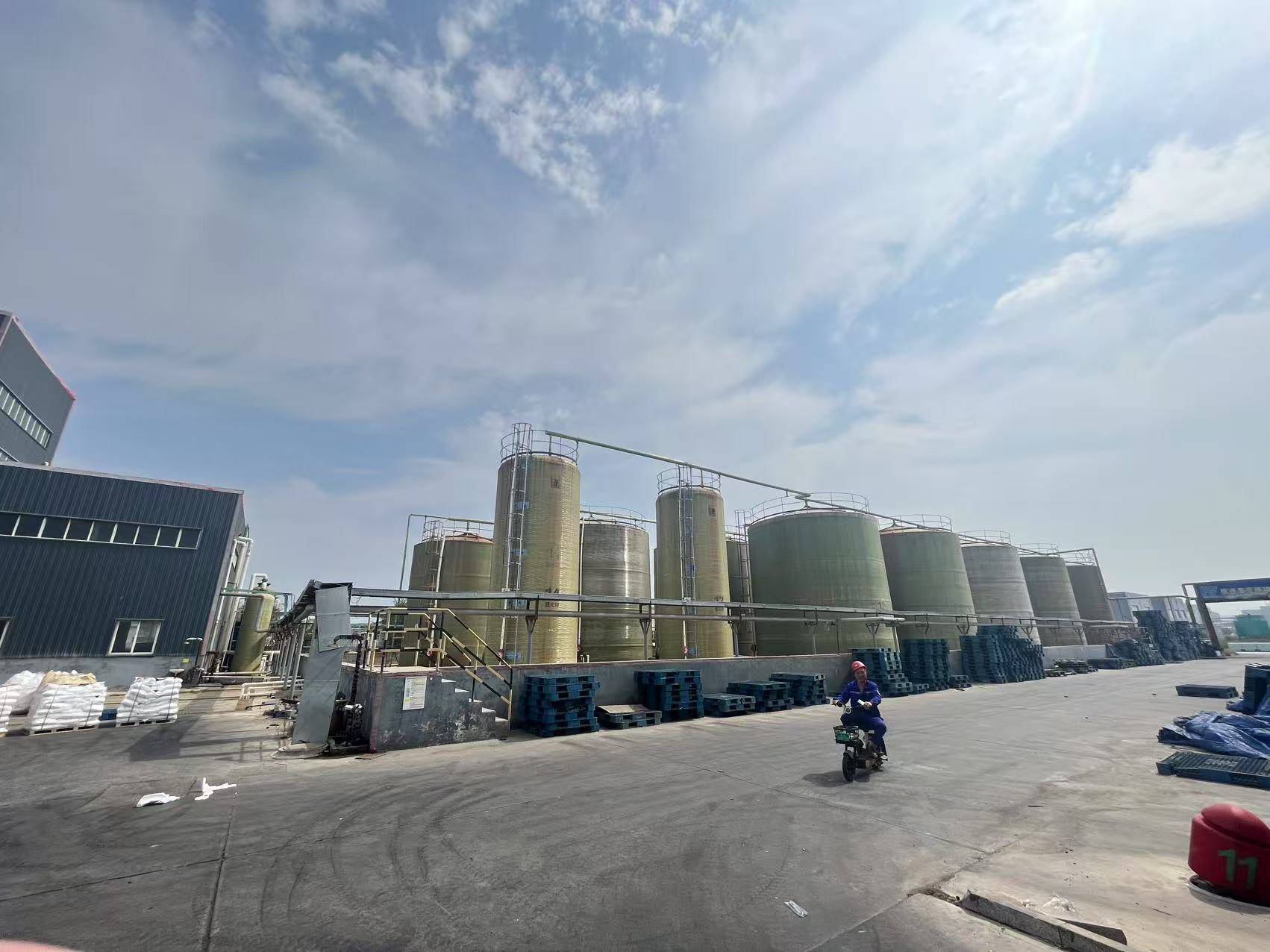
Zinc chloride may be used in oil and gas operations such as drilling and separation processes.
6. Textile and Fiber Processing
Zinc chloride has applications in textile and fiber processing, including processes involving dyes and fiber treatment.
It can help with dye fixation and contribute to improvements in fiber properties and fabric appearance.
For textile manufacturers, the purchasing decision may focus more heavily on consistent material quality and process compatibility than on selecting the highest possible purity.
Our zinc chloride textile processing guide provides more application-specific information for textile manufacturers.
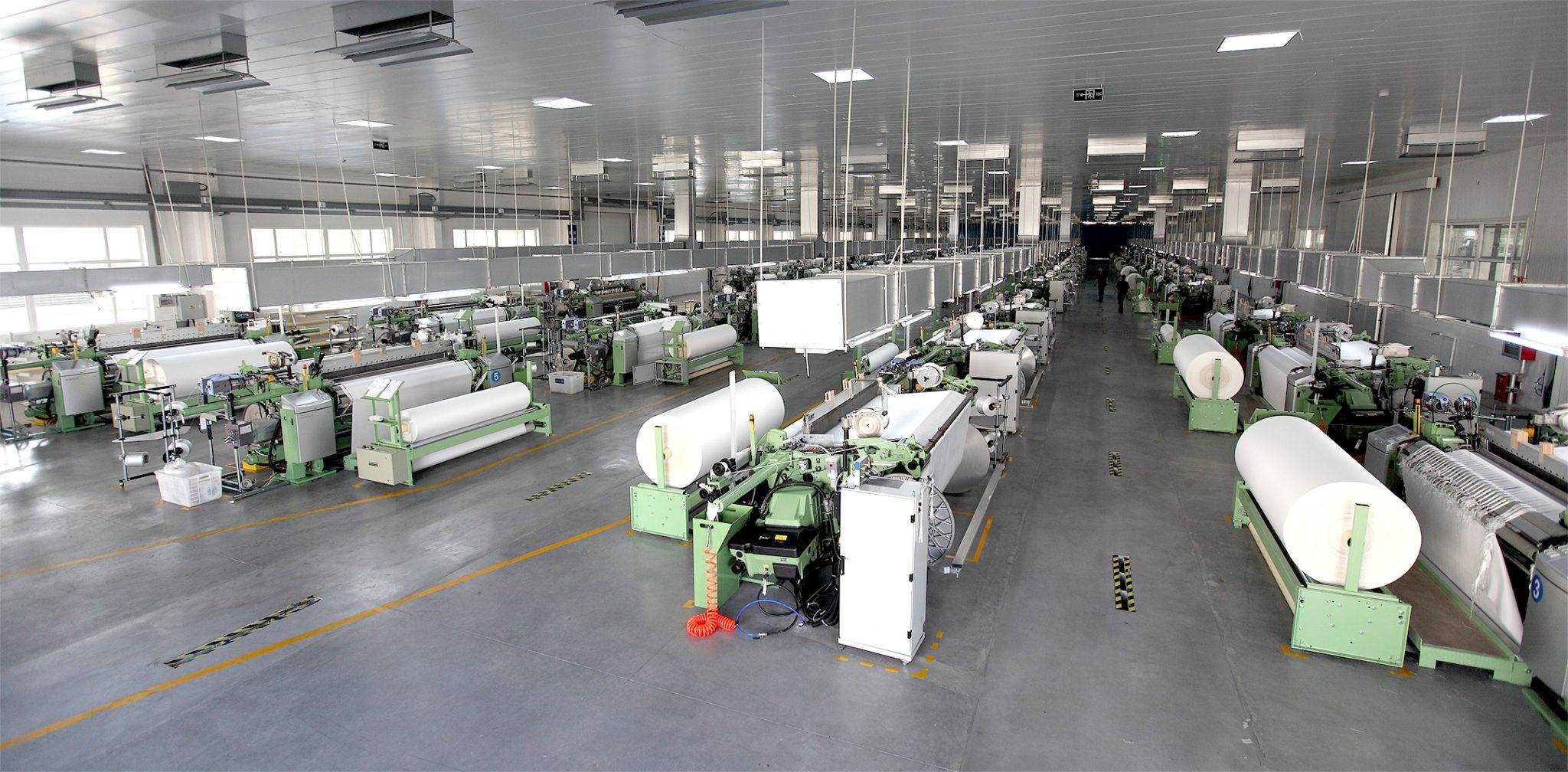
Zinc chloride is used across rubber processing, vulcanization, and other manufacturing applications.
7. Rubber and Vulcanization
Zinc chloride is also used in rubber processing and vulcanization.
In these applications, it can help accelerate the vulcanization process and contribute to the strength and elasticity of the finished rubber product.
As with other applications, manufacturers should evaluate the chemical against their own process specifications rather than assuming that a higher purity automatically produces better results.
8. Paper and Pulp Manufacturing
Paper and pulp manufacturing represents another industrial application.
Zinc chloride can be used in processes associated with paper surface quality, durability and the de-inking of recycled paper.
For paper manufacturers, the most appropriate product should be determined according to the specific process and required chemical parameters.
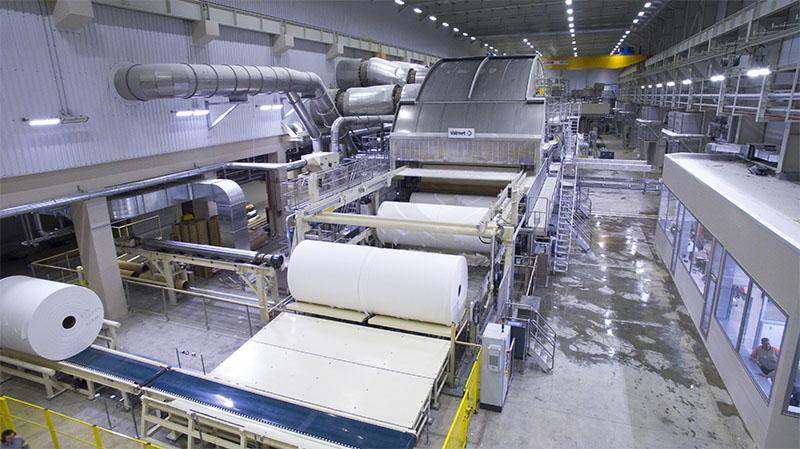
Zinc chloride can be used in paper and pulp processes related to surface quality and recycled de-inking.
95% vs. 98% Zinc Chloride: Which Grade Should Industrial Buyers Choose?
Choosing between 95% and 98% zinc chloride should not simply come down to which product has the higher purity.
The correct question is:
What does your production process actually require?
CamaZincChloride currently lists the following specifications:
| Parameter | 95% Industrial Grade | 98% High Purity |
| Zinc Chloride (ZnCl₂) | Min. 95.0% | Min. 98.0% |
| Iron (Fe) | Max. 0.05% | Max. 0.001% |
| Sulfate (SO₄²⁻) | Max. 0.05% | Max. 0.01% |
| Water Insolubles | Max. 0.1% | Max. 0.05% |
| Heavy Metals (as Pb) | Max. 0.05% | Max. 0.002% |
The difference is therefore not limited to the ZnCl₂ percentage. The impurity limits also become significantly tighter in the 98% grade.
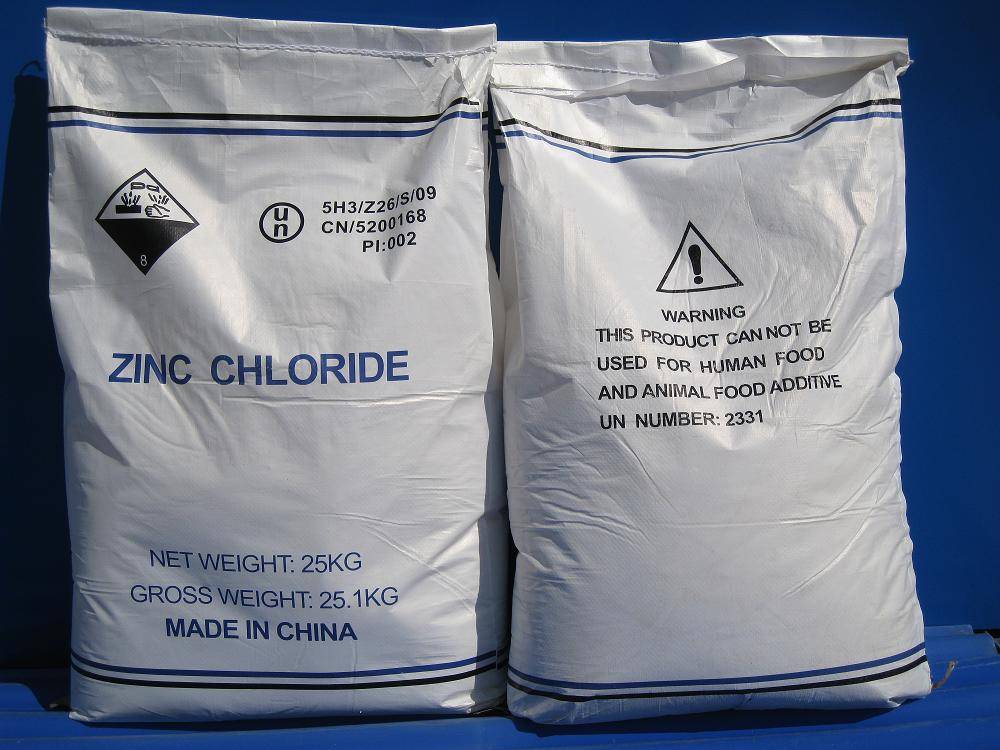
Bulk zinc chloride packaging helps maintain material integrity during storage and handling.
A practical approach to grade selection
95% industrial grade can be considered when the production process is compatible with its specifications and the additional purity of the 98% grade is not required.
98% high purity is more appropriate when the application has tighter purity or impurity requirements.
A useful example comes from a customer using zinc chloride for steel galvanizing who initially used 98% material but later moved to 95% industrial grade after evaluating the process and cost.
That illustrates an important purchasing principle: the most expensive grade is not automatically the best grade for every industrial application.
Zinc Chloride Grade & Application Selector
Answer five questions to identify the zinc chloride grade and specifications that may match your industrial application.
1. What industry will use the zinc chloride?
2. What is the main application?
3. What purity level does your process require?
4. Approximately how much zinc chloride do you need per month?
5. Are you importing zinc chloride internationally?
Your Recommended Zinc Chloride Grade
Recommended specification
| Parameter | Recommended Grade |
|---|---|
| Zinc chloride (ZnCl₂) | |
| Iron (Fe) | |
| Sulfate | |
| Water insolubles | |
| Heavy metals, as Pb |
Why this grade?
Typical packaging
Zinc chloride can be supplied in 25 kg bags or 1,000 kg bulk bags, depending on your order requirements and logistics.
Documents to request before ordering
- Batch-specific Certificate of Analysis (COA)
- Safety Data Sheet (SDS)
- Technical/specification sheet
- Applicable quality and compliance documentation
- Packaging and shipping documentation for international orders
Tell our sales team what you need and we can review the application, specification and quantity before preparing your sourcing proposal.
Request a Zinc Chloride Quotation
Submit your business details and requirements. Our sales team will review your request and contact you.
What Specifications Should You Check Before Buying?
Before placing a bulk order, industrial buyers should look beyond the headline purity.
1. ZnCl₂ purity
Confirm the minimum zinc chloride content and make sure it matches your process requirement.
2. Iron content
Iron can be particularly important in applications where contamination can affect the production process or finished product.
3. Sulfate
Sulfate is another impurity parameter that should be compared against your internal specification.
4. Water-insoluble material
Higher levels of insoluble material can be undesirable in processes requiring cleaner chemical inputs.
5. Heavy metals
For applications with tighter contamination limits, heavy-metal specifications deserve particular attention.
6. Certificate of Analysis
A batch-specific COA gives buyers a way to verify the material supplied against the agreed specification.
Technical Note
Zinc chloride is highly deliquescent, meaning it readily absorbs moisture from the surrounding air. It is also highly soluble in water and forms an acidic solution when dissolved.
For this reason, buyers should keep the material properly sealed and protected from unnecessary moisture exposure during storage and handling. Always follow the supplier’s SDS and applicable site safety procedures.
Packaging and logistics should also be considered before ordering. CamaZincChloride currently lists 25 kg bags and 1,000 kg bags, with 20-foot-container configurations of up to 27 tons depending on the packaging arrangement.
What Should You Consider When Buying Zinc Chloride in Bulk?
For an industrial buyer, the purchase decision should cover more than price per ton.
Consider these factors:
Product specification
Does the supplied grade actually meet your process requirements?
Batch consistency
Can the supplier maintain consistent quality between shipments?
Documentation
Can the supplier provide the required COA and MSDS documentation?
Packaging
Is the packaging appropriate for your warehouse, handling equipment and shipping requirements?
Container loading
Does the proposed packaging make efficient use of your container capacity?
Lead time
Can the supplier support your production schedule consistently?
Supplier credibility
Can the supplier provide evidence of quality control, certifications, existing industrial customers and relevant experience?
CamaChem has supplied zinc chloride to manufacturers for more than 15 years and invites qualified buyers to visit its factory and review the production process directly.
Decision-Maker Insight
For a purchasing manager or business owner, the cheapest zinc chloride quotation is not necessarily the lowest-cost option.
A small difference in price can become insignificant if inconsistent quality causes rejected batches, production downtime, additional testing or rework.
The better approach is to compare total procurement value:
Price + specification compliance + consistency + documentation + packaging + logistics + supply reliability.
That is especially important when moving from trial quantities to regular bulk shipments.
How Can Industrial Buyers Reduce Sourcing Risk?
A sensible purchasing process can be straightforward:
- Define your application’s technical requirements.
- Identify the required grade and impurity limits.
- Request the supplier’s specification sheet and COA.
- Test a sample against your internal requirements.
- Confirm packaging and container-loading requirements.
- Review shipping terms and lead time.
- Begin with a suitable trial order before establishing recurring supply.
This approach gives the technical team an opportunity to validate the material while giving the decision-maker greater confidence before committing to regular volumes.
Why do so many industrial buyers choose Chinese zinc chloride manufacturers?
Contact our team today for a quotation, sample, and delivery timeline.
WhatsApp Us for Free a Consultation
Zinc Chloride in Industrial Applications: See it in Action!
Want to see how zinc chloride is used in a real industrial setting? Check out this short video. It demonstrates its crucial role in the metal treatment process.
Frequently Asked Questions
What is zinc chloride mainly used for in industry?
Major industrial applications include metal processing and galvanizing, chemical synthesis, battery manufacturing, water treatment, oil and gas, textile processing, rubber and vulcanization, and paper and pulp manufacturing.
What is the difference between 95% and 98% zinc chloride?
The 98% grade contains a higher minimum concentration of ZnCl₂ and has tighter limits for iron, sulfate, water insolubles and heavy metals. The appropriate grade depends on the application rather than purity alone.
Is 98% zinc chloride always better than 95%?
Not necessarily. If a process can operate effectively within the 95% industrial-grade specification, paying for additional purity may not provide a practical benefit.
What should I check when buying industrial zinc chloride?
Check ZnCl₂ purity, iron, sulfate, water-insoluble material, heavy metals, COA documentation, packaging, shipping arrangements and supply consistency.
How should zinc chloride be stored?
Because zinc chloride readily absorbs moisture, it should be kept properly sealed and protected from unnecessary humidity. Storage and handling should follow the supplier’s SDS and applicable safety requirements.
Can I buy zinc chloride in bulk?
Yes. CamaZincChloride lists 25 kg and 1,000 kg packaging options and container configurations suitable for industrial shipments.
Conclusion
Zinc chloride for industrial use covers far more than a single manufacturing process. It can function as a flux in galvanizing, a catalyst in chemical synthesis, an electrolyte component in batteries and a processing chemical across textile, water-treatment, rubber and paper applications.
For industrial buyers, the most important decision is not simply 95% or 98%. It is whether the selected grade, impurity limits, documentation, packaging and supply arrangements match the actual production requirement.
A well-defined specification and sample-validation process can help manufacturers reduce sourcing risk before moving into recurring bulk supply.
Industrial Buyers: Next Steps for Sourcing Bulk Zinc Chloride
What makes our Zinc Chloride Better:
✅ Compliant with EU, UN, ISO Standards – No Legal Headaches
✅ Guaranteed Purity – Stability for your Processing Plant
✅ Batch-Specific COA Provided – Full Transparency per Shipment.
Download Our EU-approved FREE COA & Specifications.[Specifications Page]