



A container of zinc chloride can leave a Chinese port on time and still sit at your border for weeks. In most cases, the cause is not the product. It is a paperwork or packaging problem that could have been fixed before the ship sailed. Getting zinc chloride customs clearance right is one of the most practical ways a first-time importer protects both budget and production schedule.
This guide covers the six mistakes we see most often, why each one causes delays, and what to do about it before your order loads.
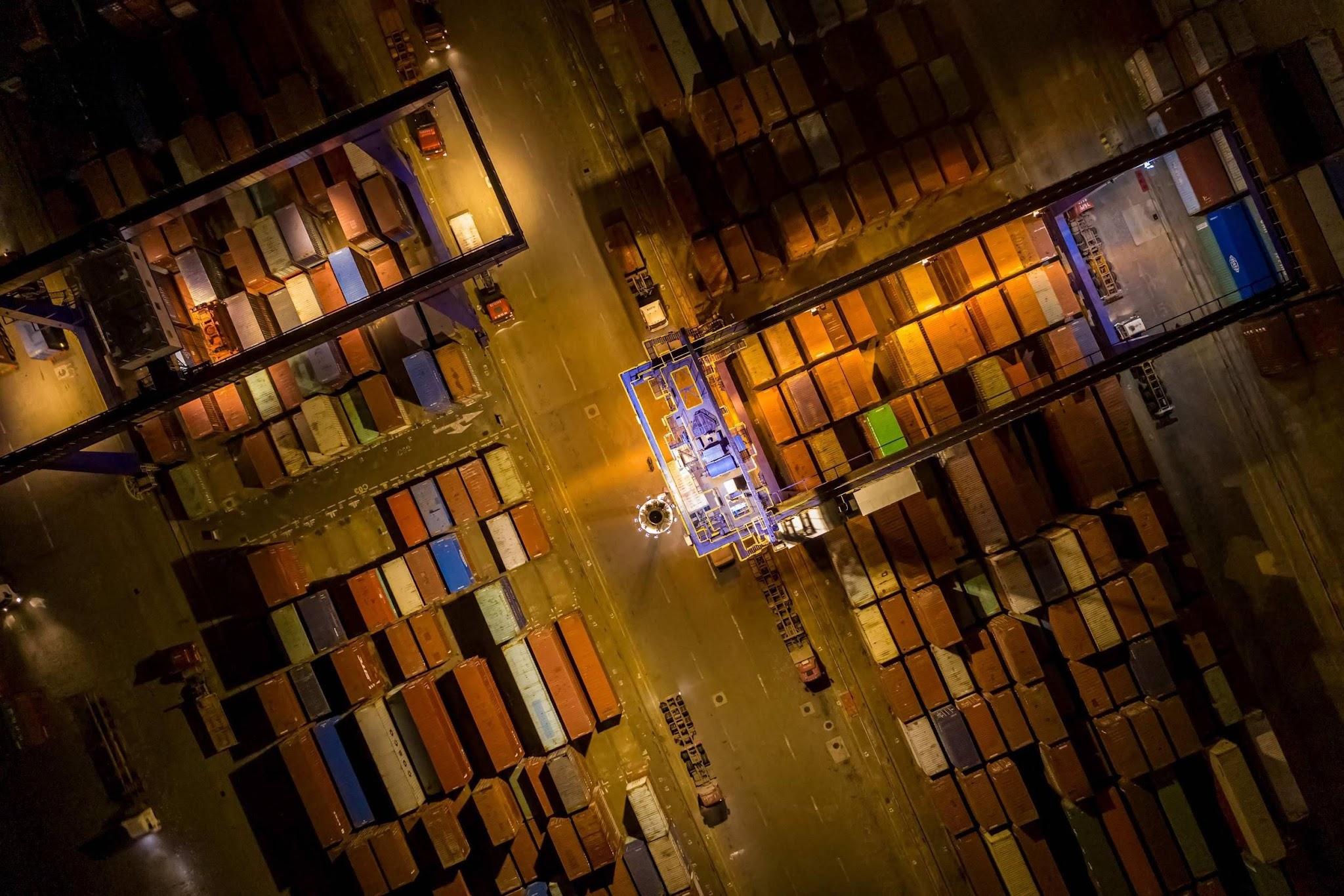
Clearance problems usually start at the port of loading, not at your border.
Why Zinc Chloride Customs Clearance Gets Complicated
Many chemicals move through customs quickly. Zinc chloride does not always get that treatment. Three factors explain why.
It Ships as a Class 8 Dangerous Good
Zinc chloride is a corrosive material. Anhydrous zinc chloride ships under UN 2331, Class 8, and solutions are handled under a separate UN number. That means carriers, port authorities, and customs officers all apply dangerous goods rules. Any gap in packaging, labels, or declarations can stop the container.
Every Document Must Tell the Same Story
Customs officers compare your commercial invoice, packing list, bill of lading, and safety documents line by line. If one shows a different weight, product name, or consignee, the file gets flagged for review.
Delays Cost More Than Time
A held container can trigger port storage fees, carrier demurrage, and a stalled production line. For a plant running 25 to 100 tons a month, even a short hold can disrupt planning.
6 Customs Clearance Mistakes That Delay Zinc Chloride Imports
Mistake 1: Using the Wrong HS Code or Product Description
Every chemical shipment needs a Harmonized System (HS) code. Zinc chloride is generally classified as an inorganic chloride, but the exact code your country applies can differ. A wrong code leads to the wrong duty rate, extra questions, or a full reclassification.
Powder vs. Solution
Anhydrous powder and liquid solution are different products for shipping purposes. Make sure the invoice, packing list, and safety data sheet all name the same form and concentration. Our guide to the types of zinc chloride explains how each form differs.
What to Do
- Ask your customs broker to confirm the HS code for your import country before you order.
- Use the same product name on every document.
- Confirm the grade (95% or 98%) is stated the same way everywhere.
Mistake 2: Missing or Incomplete Safety Data Sheet and CoA
Customs, carriers, and port terminals often ask for a Safety Data Sheet (SDS or MSDS) before they accept dangerous goods. Buyers also need a Certificate of Analysis (CoA) to prove the shipment matches the agreed grade.
What Officers and Carriers Usually Ask For
- A current SDS in the standard 16-section format
- A batch-specific CoA
- A statement of UN number, class, and packing group
- Manufacturer details
If your supplier sends a generic or outdated SDS, ask for a corrected version before loading. Fixing it later is much slower.
Mistake 3: Packaging and Labeling That Does Not Meet UN 2331 Rules
Dangerous goods must be packed in approved packaging and carry the right hazard labels. Moisture is also a real risk for zinc chloride, since the material absorbs water from the air.
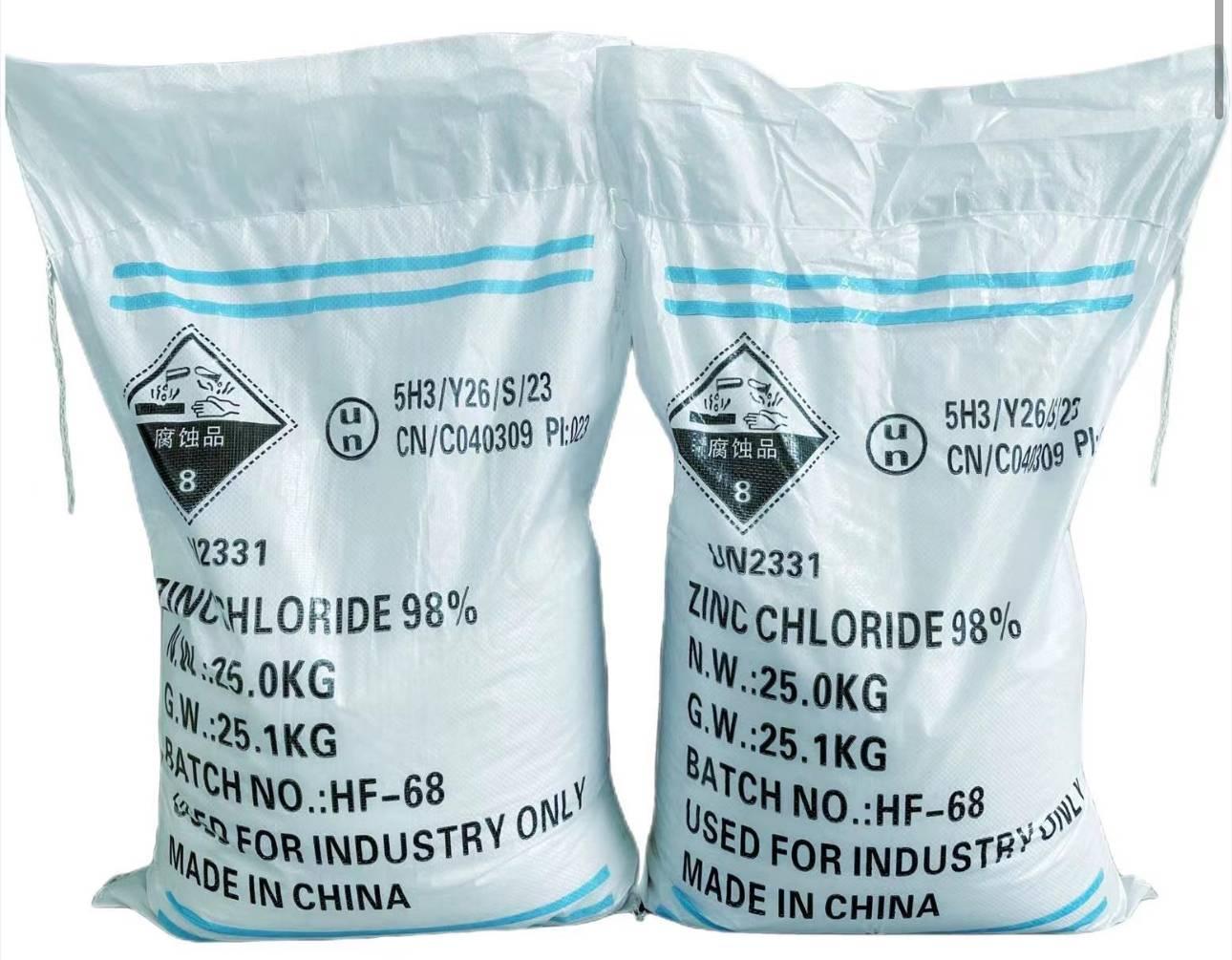
Correct UN labeling is checked at loading, at the port, and again at your border.
Packaging Checks Before Loading
- 25kg or 50kg moisture-resistant bags, or 1,000kg jumbo bags for larger orders
- UN 2331 and Class 8 marks clearly visible
- Batch number and net weight printed on each unit
- Pallets wrapped and secured for sea freight
Mistake 4: Documents That Do Not Match Each Other
This is the most common cause of delay. Small differences look minor to a buyer but look like errors to an officer.
Where Mismatches Usually Appear
| Document | Common Mismatch | Result |
|---|---|---|
| Commercial invoice | Product name differs from SDS | Request for clarification |
| Packing list | Gross weight differs from bill of lading | Weight inspection |
| Bill of lading | Consignee name spelled differently | Release delayed |
| Certificate of origin | Missing or wrong details | Duty or preference issues |
Ask your supplier to send draft documents for your review before the vessel departs. A five-minute check can save days.
Mistake 5: Skipping Import Permits and Regulatory Registration
Some countries require a chemical import license, a registered importer, or advance notification. Rules vary by market, so do not assume your last chemical purchase sets the standard.
For Europe, Australia, and North America
Buyers here usually face stricter compliance checks. EU importers should confirm REACH obligations before ordering, and supplier certifications help show the material meets those expectations. You can read the official overview on the ECHA REACH page.
EU-bound shipments need REACH obligations confirmed before the order is placed.
For Africa, Asia, and South America
Local agents and freight forwarders often manage clearance in these markets. The risk is choosing an unverified forwarder. Ask for references, and confirm who is responsible for each document. Our first-time buyer questions page covers this in more depth.
Mistake 6: Booking the Wrong Freight Route or Incoterm
Not every carrier accepts Class 8 cargo, and not every service to your port allows it. If dangerous goods are booked as ordinary cargo, the shipment can be refused or held.
Questions to Settle Before Booking
- Does the carrier accept UN 2331 cargo on this route?
- Who books the container: you or the supplier?
- Which Incoterm applies (FOB, CIF, or another)?
- Who pays for port fees if a hold occurs?
Major Chinese ports such as Qingdao, Ningbo, Shanghai, and Tianjin handle chemical cargo regularly, but dangerous goods bookings still need to be declared correctly and in advance.
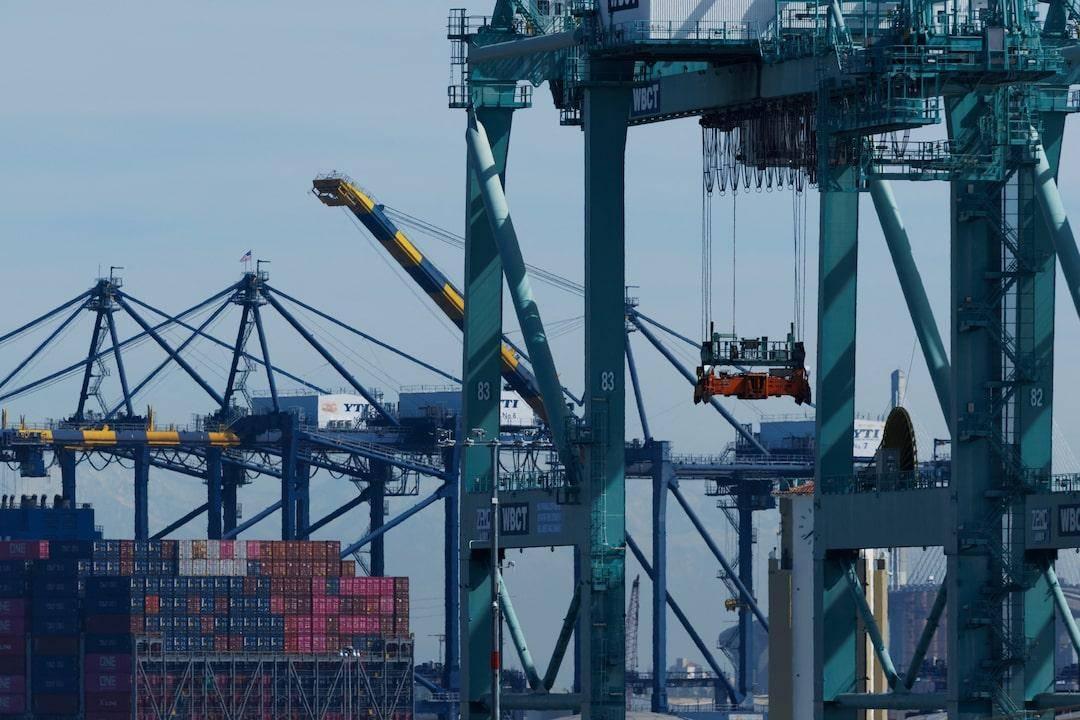
Dangerous goods must be declared at booking so the container is accepted and loaded correctly.
Quick Summary of the Six Mistakes
| Mistake | Typical Effect | Prevention |
|---|---|---|
| Wrong HS code or description | Duty errors, reclassification | Confirm code with broker |
| Missing SDS or CoA | Cargo not accepted | Request documents pre-loading |
| Packaging or label errors | Rejection at port | Verify UN marks and bags |
| Mismatched documents | Inspection, hold | Review drafts before sailing |
| No import permit | Cargo held at border | Check local rules early |
| Wrong booking or Incoterm | Refusal, extra fees | Declare dangerous goods upfront |
Ready to Buy Zinc Chloride From a Verified Source?
Contact our team today for a quotation, sample, and delivery timeline.
WhatsApp Us for Free a Consultation
How to Build a Clean Customs File Before Your Order Ships
Pre-Shipment Document Checklist
Before the container closes, confirm you hold these:
- Commercial invoice
- Packing list
- Bill of lading (draft, then final)
- Certificate of Analysis for the batch
- Safety Data Sheet
- Certificate of origin
- Dangerous goods declaration and packaging documents
- Any import permit or registration your country requires
The specifications page shows the parameters that should match the grade named on these documents.
Who Is Responsible for What
| Party | Main Responsibility |
|---|---|
| Supplier | Accurate documents, compliant packaging, correct declaration |
| Freight forwarder | Booking, dangerous goods handling, routing |
| Customs broker | HS code, duties, import filing |
| Buyer | Permits, final checks, payment terms |
Decision-Maker Insight: Customs delays rarely come from the chemical itself. They come from small document gaps that nobody owns. Decide up front who checks each file, and ask the supplier to share drafts before shipment. A supplier that answers these questions quickly is showing you how they will behave when problems appear later. That is a stronger trust signal than a low quote.
Technical Note: Keep the grade, concentration, and form consistent on every document. A 98% battery grade and a 95% industrial grade should never share a description. Note the UN number, class, and packing group on the SDS, the label, and the dangerous goods declaration. Battery and chemical synthesis buyers should also request a batch-specific CoA, since their processes are more sensitive to impurities.
What a Reliable China Supplier Does to Prevent Delays
Manufacturer vs. Trading Company
A factory that packs and loads its own product controls the labels, the batch records, and the weights. A trading company often depends on a third party, which adds room for mismatches. Our overview of China zinc chloride suppliers explains how to tell them apart.
Documents Ready Before Loading
A dependable supplier prepares the SDS, CoA, and packing details before the truck arrives at the port. They also welcome a factory visit or video call. Compare options in our list of Chinese zinc chloride manufacturers.
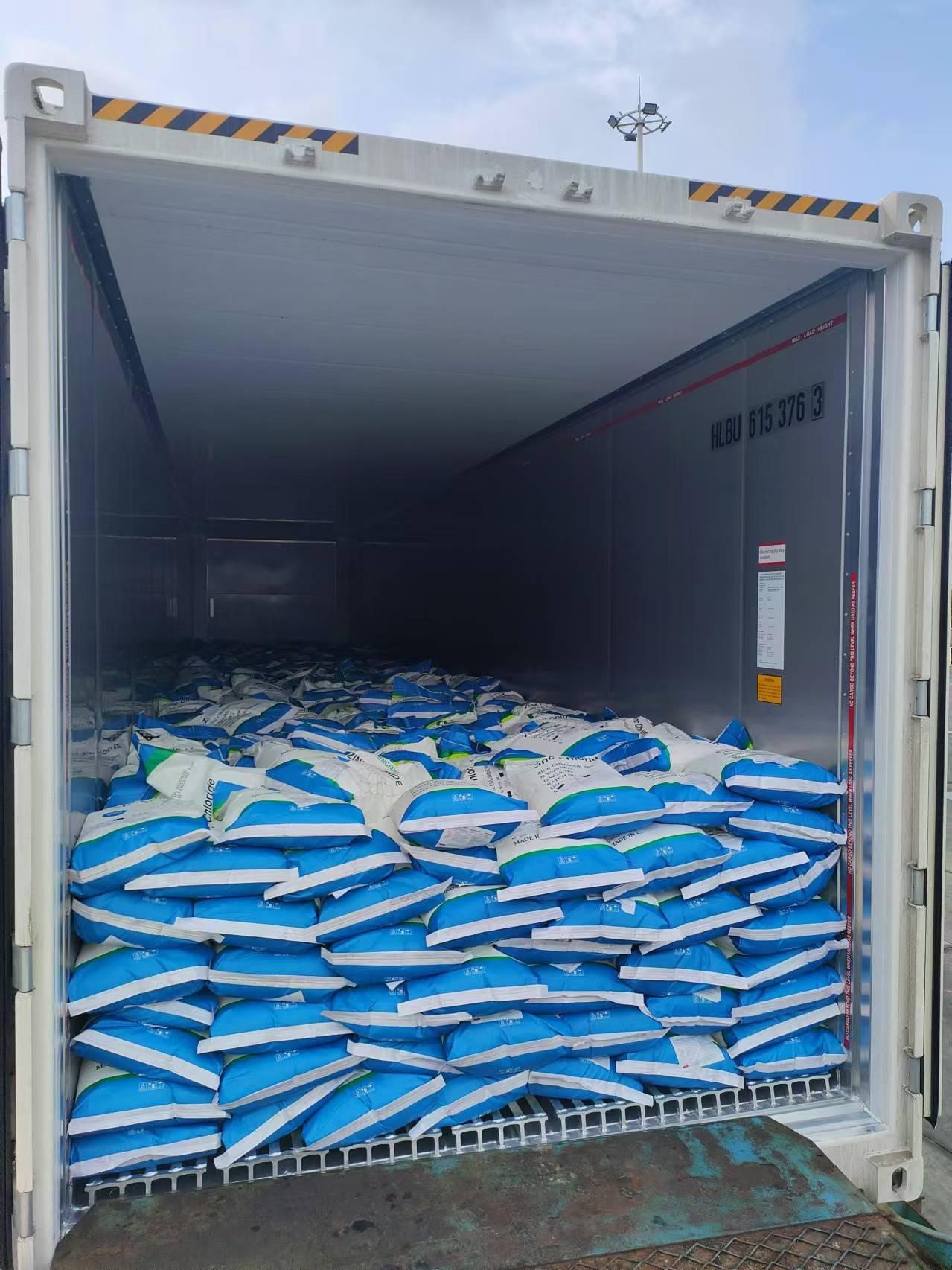
Accurate load weights and tidy stacking make the packing list easier to verify.
Verified Weights at Loading
Gross weight mismatches are a common reason for inspection. Weighing cargo on a calibrated weighbridge and recording the figure on the packing list reduces that risk. Our sister company Camaweigh supplies weighing solutions for exactly this kind of load verification.
Buyers in other markets have gone through this process before you. A steel galvanizing customer in South Africa, for example, has used our 95% grade with no quality issues, as described in this South Africa galvanizing case study.
Where to Learn More Before You Order
See Which Industries Use Each Grade
Knowing your application helps you choose the correct grade and describe it accurately on customs paperwork. Review the application overview to confirm your grade.
Compare Common Buyer Errors
Documentation is only one place first-time importers slip. Read our guide to common first-time buyer mistakes for the wider picture.
Ready to Buy Zinc Chloride From a Verified Source?
Contact our team today for a quotation, sample, and delivery timeline.
WhatsApp Us for Free a Consultation
Zinc Chloride in Industrial Applications:
See It in Action! Want to see how zinc chloride is used in a real industrial setting? Check out this short video. It demonstrates its crucial role in the metal treatment process.
Frequently Asked Questions
Which documents are required for zinc chloride customs clearance?
Most shipments need a commercial invoice, packing list, bill of lading, Certificate of Analysis, Safety Data Sheet, and certificate of origin. Dangerous goods paperwork and any local import permit are also common requirements.
Why does zinc chloride need dangerous goods handling?
Anhydrous zinc chloride is corrosive and ships as UN 2331, Class 8. That triggers special packaging, labeling, and carrier rules.
How long can customs last?
It depends on the issue and the country. Simple document corrections may take days, while missing permits can take much longer. Preventing the hold is far cheaper than resolving it.
Who should handle customs clearance: the supplier or the buyer?
Usually the supplier handles export clearance in China, and the buyer handles import clearance through a local customs broker. Confirm this in writing when you agree on the Incoterm.
Can I check my documents before the vessel sails?
Yes, and you should. Ask your supplier for draft documents and compare them against each other before departure.
Conclusion
Key Takeaways
Most zinc chloride customs clearance delays come from six avoidable problems: wrong HS codes, missing SDS or CoA, packaging and label errors, mismatched documents, missing permits, and poor booking choices. Each one is easier to fix before loading than after arrival.
Your Next Step
Ask your supplier for draft documents, confirm the HS code with your broker, and verify UN 2331 packaging before you approve shipment. Doing this once builds a repeatable process for every order that follows.
Industrial Buyers: Next Steps for Sourcing Bulk Zinc Chloride
What makes our Zinc Chloride Better:
✅ Compliant with EU, UN, ISO Standards – No Legal Headaches
✅ Guaranteed Purity – Stability for your Processing Plant
✅ Batch-Specific COA Provided – Full Transparency per Shipment.
Download Our EU-approved FREE COA & Specifications. Specifications Page