



Zinc chloride is used in many industries. It helps factories make products, treat materials, and improve manufacturing processes.
However, not every industry needs the same grade of zinc chloride. The right grade depends on how the chemical is used.
For industrial buyers, choosing the wrong grade can cause production problems. It can also increase costs. This guide explains eight major zinc chloride industrial applications and what buyers should check before ordering.
1. Zinc Chloride in Water Treatment
Zinc chloride can be used in industrial water and wastewater treatment.
It may help in processes that remove unwanted materials from water. It can also be used in special treatment systems where chemical control is important.
Choosing the Right Grade
The right grade depends on the water treatment process.
Buyers should check the purity and impurity limits needed by their system. They should not choose a grade based only on price.
A water treatment case study in Brazil shows how zinc chloride has been supplied for industrial treatment needs.
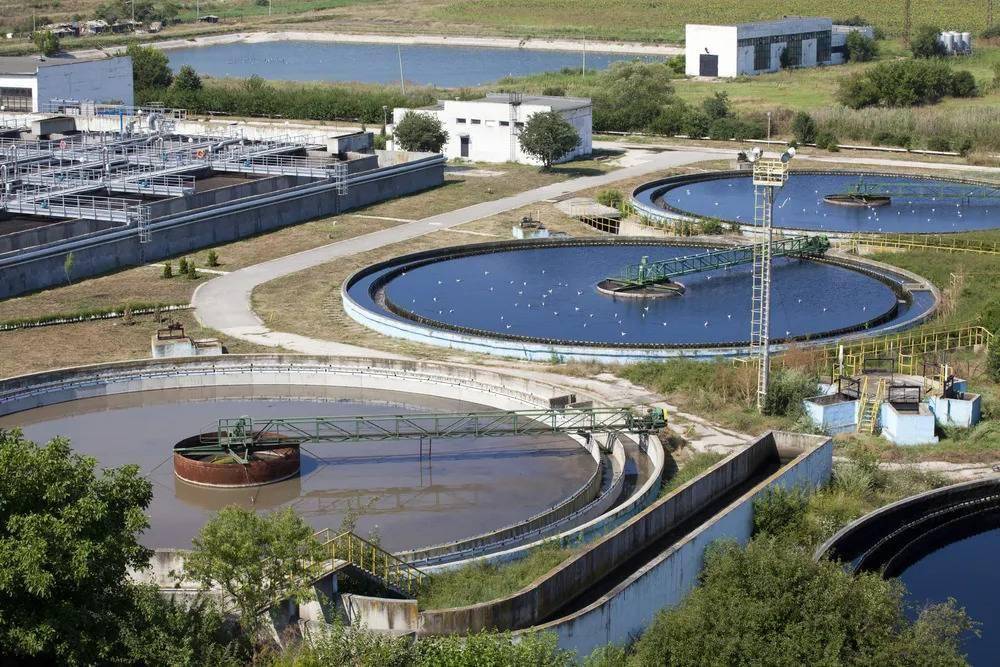
Zinc chloride can be used in specialised industrial water treatment processes.
2. Zinc Chloride in Chemical Synthesis
Zinc chloride is used in chemical manufacturing. It can help speed up some chemical reactions.
This makes it useful in chemical synthesis and other factory processes.
Why Purity Matters
Chemical processes can be sensitive to impurities.
For this reason, buyers may need to check more than the main zinc chloride percentage. Iron, sulfate, heavy metals, and other impurities can also affect the process.
The full limits for each grade can be checked in the zinc chloride specifications.
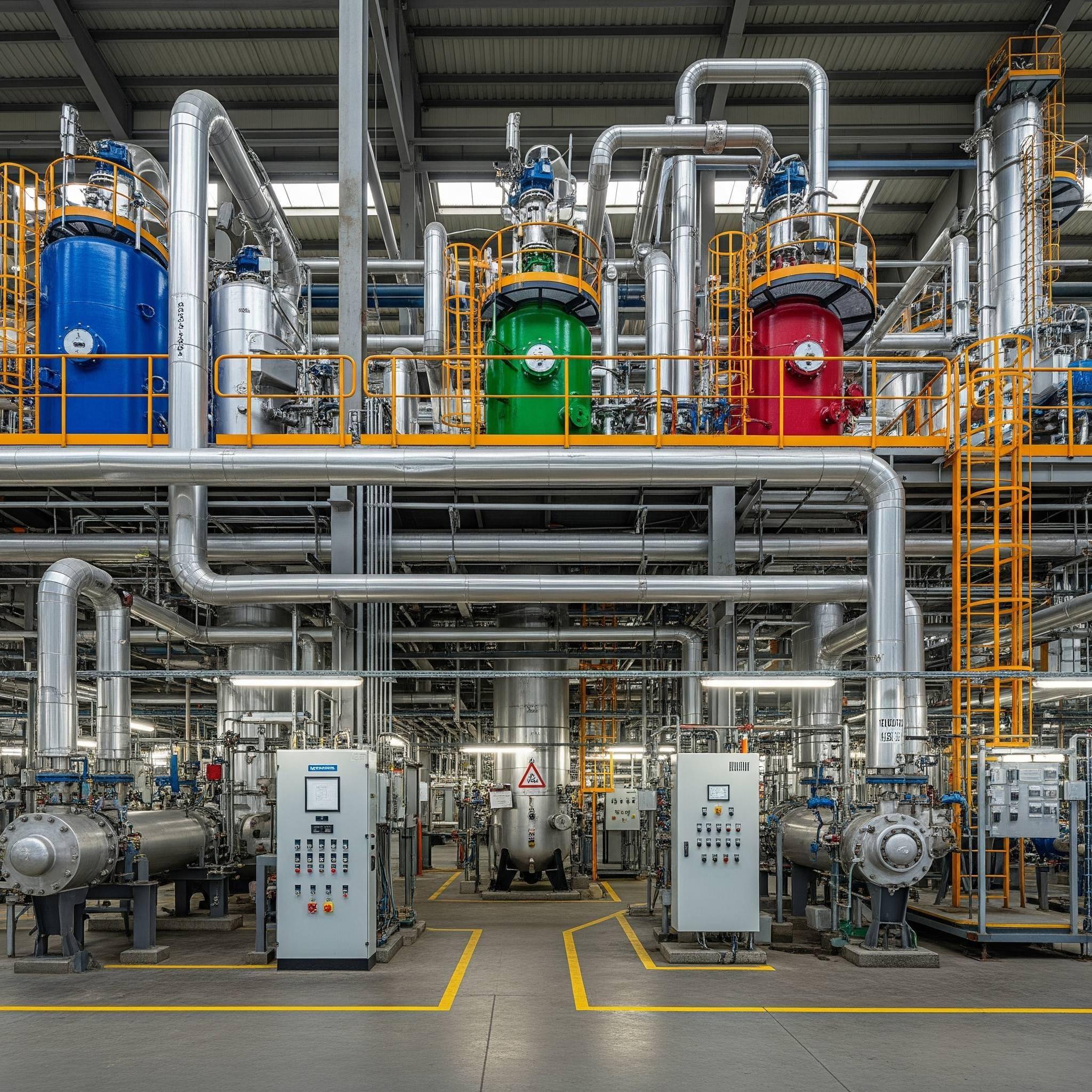
Chemical manufacturing may require zinc chloride with controlled impurity levels.
3. Zinc Chloride in Battery Manufacturing
Zinc chloride is used in some dry-cell batteries.
In battery manufacturing, the quality of the chemical can be very important. Small amounts of unwanted materials may affect the production process.
Why Buyers Need to Check Impurities
Battery manufacturers should check the full specification.
Important factors can include:
- Zinc chloride purity
- Iron content
- Sulfate content
- Water-insoluble material
- Heavy metal limits
Our zinc chloride for batteries guide explains this application in more detail.
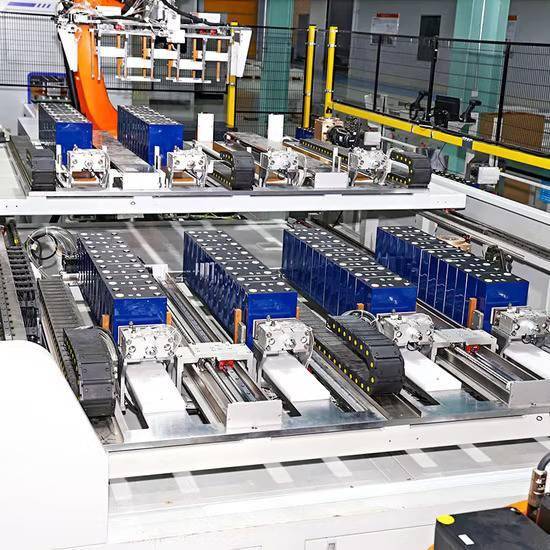
Battery manufacturing may require zinc chloride with tighter impurity control.
Technical Note
The difference between 95% and 98% zinc chloride is not only the purity number.
The 98% grade has tighter limits for some impurities. This can make it a better choice for processes that need cleaner material.
However, buyers should always compare the full specification with their own production needs.
WhatsApp Us for Free a Consultation
4. Zinc Chloride in Metal Processing and Galvanizing
Zinc chloride is widely used in metal processing.
It can work as a flux during processes such as galvanizing. A flux helps prepare the metal surface before coating.
How It Helps
Metal surfaces can have rust and oxides on them.
These materials can affect how well a coating sticks to the metal. Zinc chloride helps prepare the surface for the next step.
A steel galvanizing success story in Poland provides an example of zinc chloride being supplied for industrial galvanizing.
Buyers can also learn more from our zinc chloride galvanizing guide.
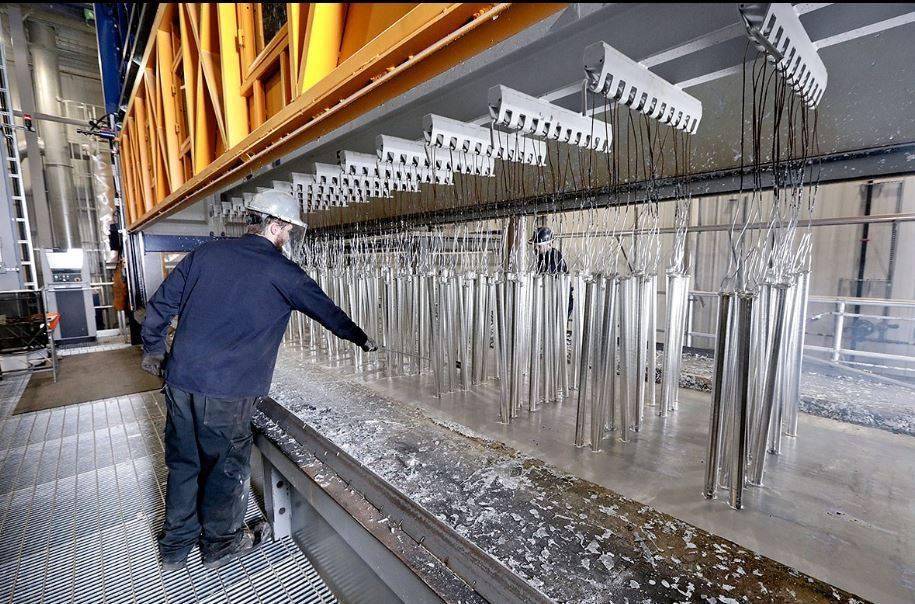
Zinc chloride can help prepare metal surfaces during galvanizing.
5. Zinc Chloride in Oil and Gas Operations
Zinc chloride can be used in some oil and gas processes.
These applications may include oil treatment and other specialised industrial operations.
What Buyers Should Check
Oil and gas operations can be very different from one site to another.
Before buying zinc chloride, the buyer should clearly define:
- How the chemical will be used
- The purity required
- The impurity limits allowed
- The documents required for the shipment
The lowest price is not always the lowest-risk option.
6. Zinc Chloride in Textile and Fiber Processing
Zinc chloride is also used in textile and fiber manufacturing.
It can support some processing steps used to make and treat textile materials.
Grade Selection
Textile factories should choose a grade that matches their process.
A higher-purity grade is not always necessary. If the production process works well with a 95% grade, buying a higher grade may increase costs without giving extra value.
More information is available in our zinc chloride textile processing guide.
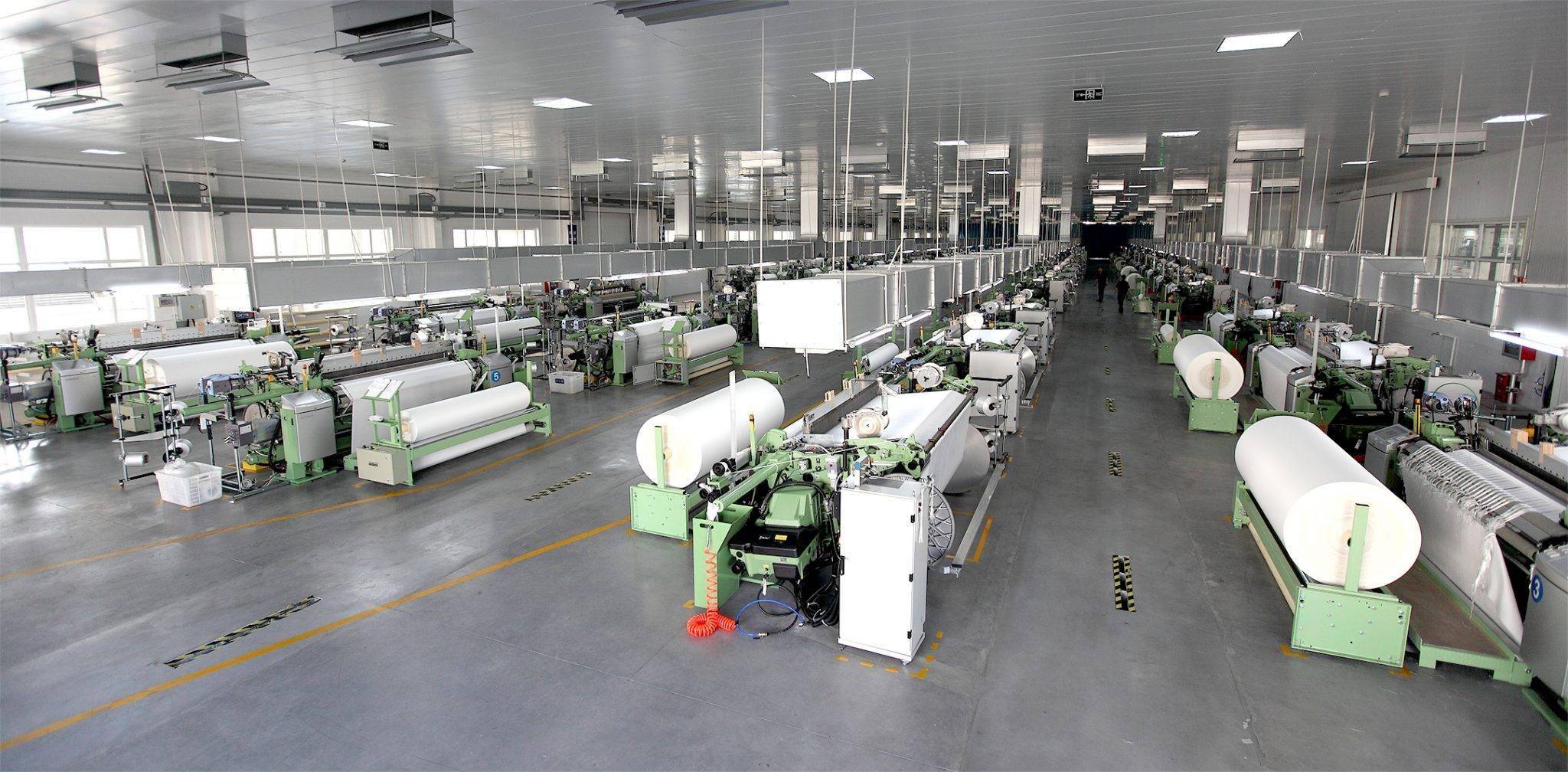
Zinc chloride is used in selected textile and fiber manufacturing processes.
7. Zinc Chloride in Rubber Manufacturing
Zinc chloride can also be used in rubber manufacturing.
It can support chemical processes linked to vulcanization.
Vulcanization helps change rubber so that it becomes stronger and more useful for industrial products.
Choosing a Grade
The buyer should first understand what the production process needs.
There is no benefit in paying for a higher-purity grade if the process does not need it.
The correct choice should be based on the factory’s technical requirements.
8. Zinc Chloride in Paper and Pulp Manufacturing
Paper and pulp manufacturers can also use zinc chloride in selected production processes.
It may support the treatment and processing of paper materials.
What Manufacturers Should Consider
The right grade depends on the process used by the factory.
Buyers should check the full chemical specification before ordering.
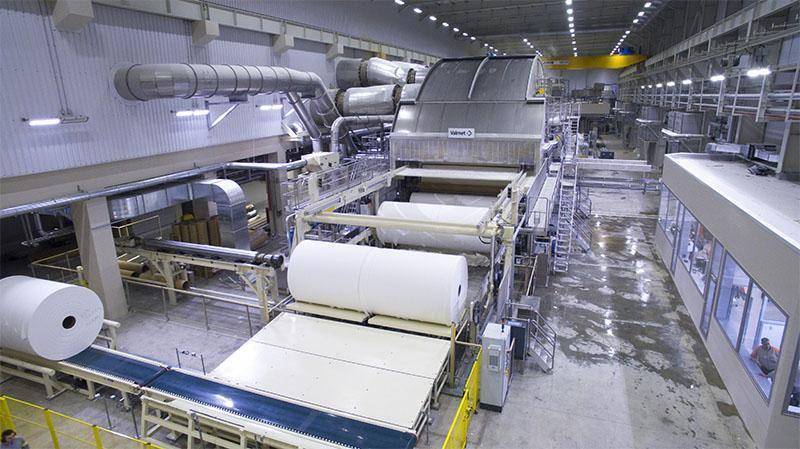
Zinc chloride can be used in selected paper and pulp manufacturing processes.
How to Choose Between 95% and 98% Zinc Chloride
The right grade depends on the job.
95% Industrial Grade
95% zinc chloride is suitable for many general industrial uses.
It may be used when the process does not need very tight impurity limits.
98% High-Purity Grade
98% zinc chloride has a higher purity level and tighter limits for some impurities.
It may be more suitable for sensitive applications, such as some battery and chemical manufacturing processes.
Grade Comparison
| Parameter | 95% Grade | 98% Grade |
| Zinc Chloride | Min. 95.0% | Min. 98.0% |
| Iron | Max. 0.05% | Max. 0.001% |
| Sulfate | Max. 0.05% | Max. 0.01% |
| Water Insolubles | Max. 0.1% | Max. 0.05% |
| Heavy Metals | Max. 0.05% | Max. 0.002% |
The most important point is simple: choose the grade your process needs.
Do not pay for higher purity unless it gives a real benefit to your production.
What Should Industrial Buyers Check Before Ordering?
Before placing a bulk order, buyers should check more than the price.
1. Full Chemical Specification
Check the purity and impurity limits.
Make sure they match your production requirements.
2. Batch-Specific COA
Ask for a batch-specific Certificate of Analysis.
This helps you check whether the supplied material meets the agreed specification.
3. Sample Testing
Testing a sample before a large order can reduce risk.
It allows your technical team to check the material in your own process.
4. Packaging
Zinc chloride can absorb moisture easily.
Good packaging is important during transport and storage.
Our guide on zinc chloride packaging and moisture protection explains why this matters for industrial shipments.
Decision-Maker Insight
The wrong grade can cost money in two ways.
A grade that is too low for your process may cause quality problems. A grade that is higher than you need may increase your purchasing costs.
The best approach is to match the specification to your process, check the COA, and test the product before making a regular bulk purchase.
Caption: A look at the industrial production and processing of zinc chloride in the video
Frequently Asked Questions About Zinc Chloride Industrial Applications
What is zinc chloride used for in industry?
Zinc chloride is used in water treatment, chemical manufacturing, batteries, metal processing, oil and gas, textiles, rubber, and paper manufacturing.
Is 98% zinc chloride always better than 95%?
No. The better grade is the one that matches your process.
Some applications need tighter impurity limits. Others can work well with a 95% industrial grade.
What should I check besides purity?
Buyers should also check iron, sulfate, water-insoluble material, heavy metals, and other limits that matter to their production process.
Can I test zinc chloride before placing a bulk order?
Yes. Sample testing can help buyers check the product before moving to regular bulk orders.
How should zinc chloride be stored?
Zinc chloride absorbs moisture easily. It should be kept in properly sealed packaging and handled according to the supplier’s SDS and site safety rules.
WhatsApp Us for Free a Consultation
Industrial Buyers: Next Steps for Sourcing Bulk Zinc Chloride
What makes our Zinc Chloride Better:
✅ Compliant with EU, UN, ISO Standards – No Legal Headaches
✅ Guaranteed Purity – Stability for your Processing Plant
✅ Batch-Specific COA Provided – Full Transparency per Shipment.
Download Our EU-approved FREE COA & Specifications. Specifications Page