



In the demanding world of rubber manufacturing, achieving the perfect balance of elasticity, strength, and durability is a complex chemical challenge. Zinc chloride has emerged as a critical component in this process, serving as a powerful activator and accelerator that enhances the vulcanization of both natural and synthetic rubber. From automotive tires to industrial seals, its impact on the final product’s performance is undeniable.
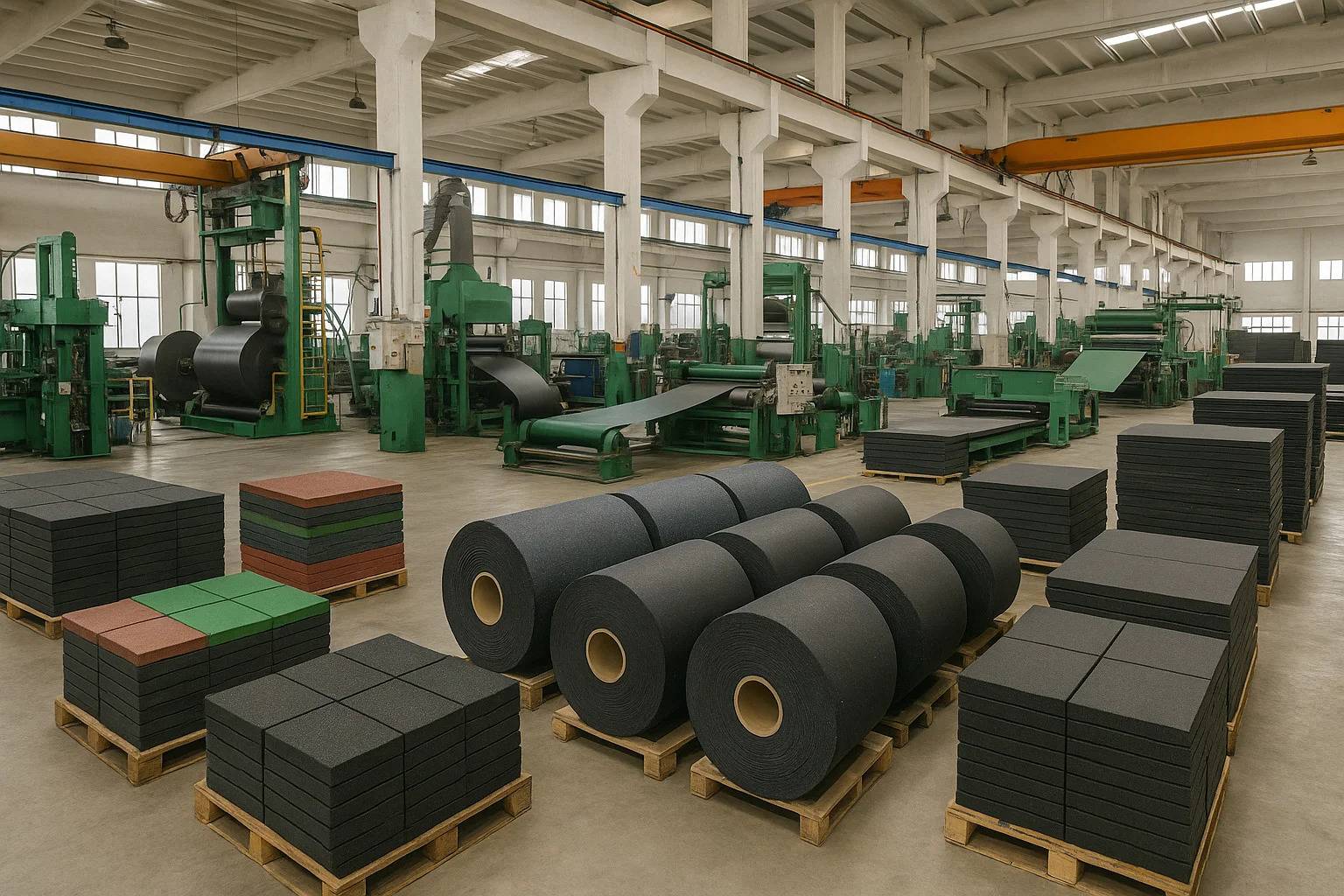
Understanding the strategic application of zinc chloride in rubber industry allows manufacturers to optimize their curing processes and produce high-quality rubber compounds that meet the rigorous standards of modern engineering. This guide explores the multifaceted roles of this compound in the rubber supply chain.
The Role of Zinc Chloride as a Vulcanization Activator
Vulcanization is the chemical process that transforms raw rubber into a durable, usable material by creating cross-links between polymer chains. Zinc chloride acts as a vital activator in this process, significantly increasing the efficiency and speed of the sulfur-based curing reaction.
Enhancing Cross-Linking Density
When added to a rubber compound, zinc chloride works in tandem with other accelerators to promote the formation of stable sulfur bridges. This results in a higher cross-linking density, which directly translates to improved tensile strength and better resistance to heat and mechanical stress in the final rubber product.
“The inclusion of high-purity zinc chloride in nitrile rubber formulations allows for the creation of thermoreversible cross-links, opening new possibilities for recyclable rubber materials.”

Rigorous quality control at every stage of the rubber manufacturing process ensures that chemical activators like zinc chloride are integrated correctly for optimal material performance.
Key Applications of Zinc Chloride in Rubber Processing
Beyond its primary role as an activator, zinc chloride in rubber industry is utilized in several specialized applications that contribute to the unique properties of advanced rubber compounds.
1. Production of Nitrile Rubber Composites
Zinc chloride is frequently used in the production of nitrile butadiene rubber (NBR) composites. It facilitates coordination cross-linking between the zinc ions and the nitrile groups in the rubber, resulting in materials with exceptional oil resistance and mechanical properties.
2. Specialized Rubber Cements and Adhesives
In the manufacturing of rubber-to-metal bonds, zinc chloride serves as a critical component in specialized cements and adhesives. It helps to prepare the metal surface and promotes a strong, durable bond that can withstand the extreme conditions found in automotive and aerospace applications.
3. Reclaiming and Recycling Rubber
Zinc chloride is also being explored for its role in the reclaiming of waste rubber. By helping to break down the sulfur cross-links in used tires and other rubber products, it facilitates the recycling of these materials into new, high-value rubber compounds.
Comparison of Rubber Processing Additives
| Additive Type | Primary Function | Common Application |
| Zinc Chloride | Activator & Cross-linker | Nitrile Rubber & Adhesives |
| Zinc Oxide | Standard Activator | General Tire Manufacturing |
| Stearic Acid | Co-activator | Sulfur Vulcanization Systems |
| Sulfur | Vulcanizing Agent | Primary Curing of Rubber |
When choosing an industrial zinc chloride supplier.
Contact our team today for a quotation, sample, and supplier verification checklist.
WhatsApp Us for Free a Consultation
Technical Requirements for Rubber-Grade Zinc Chloride
For rubber manufacturers, the purity and consistency of their chemical inputs are paramount. Impurities in zinc chloride in rubber industry can lead to uneven curing, reduced aging resistance, or unwanted chemical reactions that compromise the integrity of the rubber.
Managing Purity and Moisture Content
High-quality rubber-grade zinc chloride must have extremely low levels of metallic impurities like iron and copper, which can act as pro-oxidants and accelerate the degradation of the rubber. Additionally, because zinc chloride is highly hygroscopic, it must be stored and handled in moisture-controlled environments to ensure consistent dosing.
Environmental and Safety Standards
As the rubber industry moves toward more sustainable practices, the handling and disposal of zinc chloride are strictly regulated. Modern facilities utilize advanced filtration and recovery systems to minimize chemical waste and ensure that their manufacturing processes meet international environmental standards.
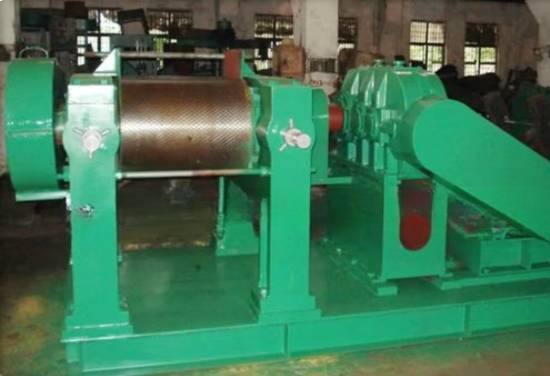
Modern rubber processing plants integrate precision chemical dosing units that ensure the exact amount of zinc chloride is added to the rubber mix for consistent vulcanization results.
Global Sourcing: Finding Reliable Chemical Partners
The global rubber industry relies on a steady supply of high-quality chemicals. Sourcing from established zinc chloride manufacturers by country is vital for maintaining production consistency and meeting the high-performance requirements of global automotive and industrial brands.
Leading Production Hubs
- China: The world’s largest producer of both rubber products and rubber chemicals, offering a vast range of zinc chloride grades for every stage of processing.
- India: A major hub for rubber manufacturing, with a growing focus on high-purity chemical activators and specialized rubber compounds.
- Germany: Preferred for high-precision applications where ultra-pure zinc chloride is required for sensitive aerospace and medical rubber products.
The Future of Zinc in Sustainable Rubber Manufacturing
As the industry faces increasing pressure to reduce its environmental impact, the role of zinc chloride in rubber industry is evolving. Researchers are developing new ways to use zinc-based compounds in more efficient curing systems that require less energy and produce fewer emissions.
Innovation in Recyclable Rubber
The development of thermoreversible rubber networks using zinc chloride is a major step toward a circular economy in the rubber industry. These materials can be reshaped and recycled multiple times without losing their mechanical properties, significantly reducing the environmental footprint of rubber products.
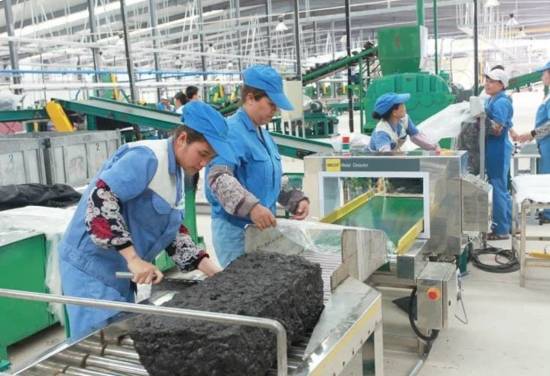
Rigorous manual and automated inspections ensure that the chemical treatments applied during processing meet the high standards required for global industrial export.
Zinc Chloride in Industrial Applications: See it in Action!
Want to see how zinc chloride is used in a real industrial setting? Check out this short video. It demonstrates its crucial role in the metal treatment process.
Frequently Asked Questions
Q: Is zinc chloride better than zinc oxide for rubber?
A: While zinc oxide is the standard activator for most rubber, zinc chloride is preferred for specialized applications like nitrile rubber composites and adhesives where higher reactivity or specific coordination chemistry is required.
Q: Can zinc chloride be used in natural rubber?
A: Yes, it is an effective activator for natural rubber, particularly in formulations where rapid vulcanization or improved bonding to metal surfaces is needed.
Q: How does zinc chloride affect the aging of rubber?
A: When used at the correct purity and concentration, it helps create a stable cross-linked network that improves the rubber’s resistance to heat and oxidative aging.
Conclusion: Powering the Future of Rubber
The success of the modern rubber industry is built on a foundation of precise chemical engineering. Zinc chloride in rubber industry provides the essential tools needed to create rubber products that are stronger, more durable, and increasingly sustainable.
Whether you are a large-scale tire manufacturer or a specialized producer of industrial seals, understanding the impact of zinc chloride on your processing workflow is the key to delivering superior rubber products to the global market.
Industrial Buyers: Next Steps for Sourcing Bulk Zinc Chloride
Why Buyers Choose Us During Volatile Zinc Chloride Price Trends:
✅ Compliant with EU, UN, ISO Standards – No Legal Headaches
✅ Guaranteed Purity – Stability for your Processing Plant
✅ Batch-Specific COA Provided – Full Transparency per Shipment.
Download Our EU-approved FREE COA & Specifications.[Specifications Page]