

ChemChina’s corporate identity and historical role in China’s chemical industry.
Introduction: What Was ChemChina?
China National Chemical Corporation, better known as ChemChina, was a major Chinese state-owned chemical group built through the consolidation of businesses associated with the former Ministry of Chemical Industry. Founded in 2004, it developed a diversified portfolio covering specialty chemicals, agrochemicals, oil processing, rubber and tires, chemical equipment, and R&D and engineering design. Its international expansion was driven in large part by acquisitions, including Pirelli and Syngenta.
For industrial buyers, ChemChina is best understood as a case study in how a Chinese chemical group built international scale—and why corporate history should be separated from the current Sinochem Holdings structure.
What Was China National Chemical Corporation?
ChemChina was established on May 9, 2004, on the basis of China National BlueStar (Group) Corporation, China Haohua Chemical (Group) Corporation and other companies. Its historical corporate profile described six principal sectors:
- New chemical materials and specialty chemicals
- Agrochemicals
- Oil processing and refined products
- Tire and rubber products
- Chemical equipment
- R&D and engineering design
This breadth gave ChemChina exposure to multiple points in the industrial value chain rather than a single chemical category. Its businesses served agriculture, automotive and transportation, manufacturing, petrochemicals, industrial equipment and other markets.
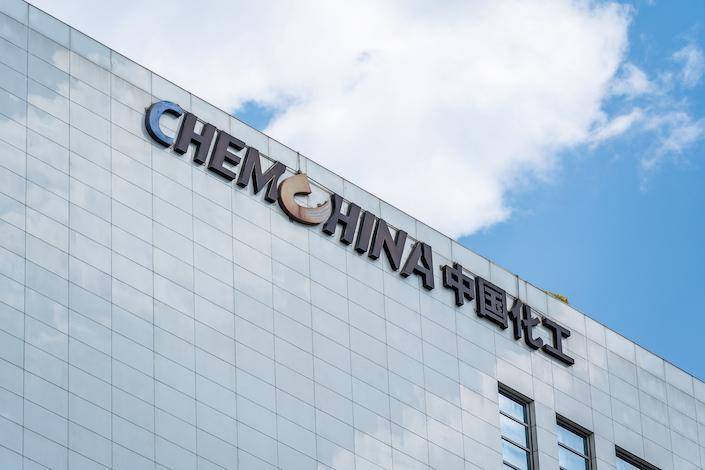
ChemChina was historically headquartered in Beijing.
ChemChina’s Major International Acquisitions
ChemChina’s international strategy combined domestic industrial scale with established overseas brands, technologies and distribution networks.
Pirelli was one of the most visible examples. In March 2015, ChemChina agreed through China National Tire & Rubber to acquire a 26.2% stake in Pirelli from Camfin, with a plan to proceed with an offer for additional shares. The transaction strengthened ChemChina’s position in tires and rubber while giving it a major premium tire brand.
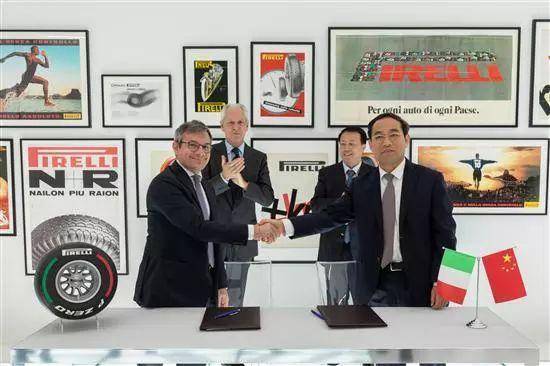
Pirelli became one of the most recognizable international businesses associated with ChemChina’s expansion.
The Syngenta transaction was even more significant for agriculture. ChemChina announced an agreement in February 2016 to acquire Syngenta through a public tender offer, and the transaction was completed in 2017. It expanded ChemChina’s agricultural portfolio across crop protection and seeds. In 2020, ChemChina announced plans to transfer its holdings in Syngenta AG and ADAMA into Syngenta Group as part of a broader agricultural restructuring.
ChemChina also expanded into industrial machinery. Its international portfolio included KraussMaffei, a supplier of plastics and rubber processing machinery, adding equipment technology to the group’s broader chemical-industrial footprint.
ChemChina’s Global Expansion
ChemChina’s historical profile reported production and R&D bases in 150 countries and regions, supported by a global marketing network. It also reported 346 R&D institutes, including 150 overseas institutes. These are historical ChemChina figures, not current standalone-company metrics.
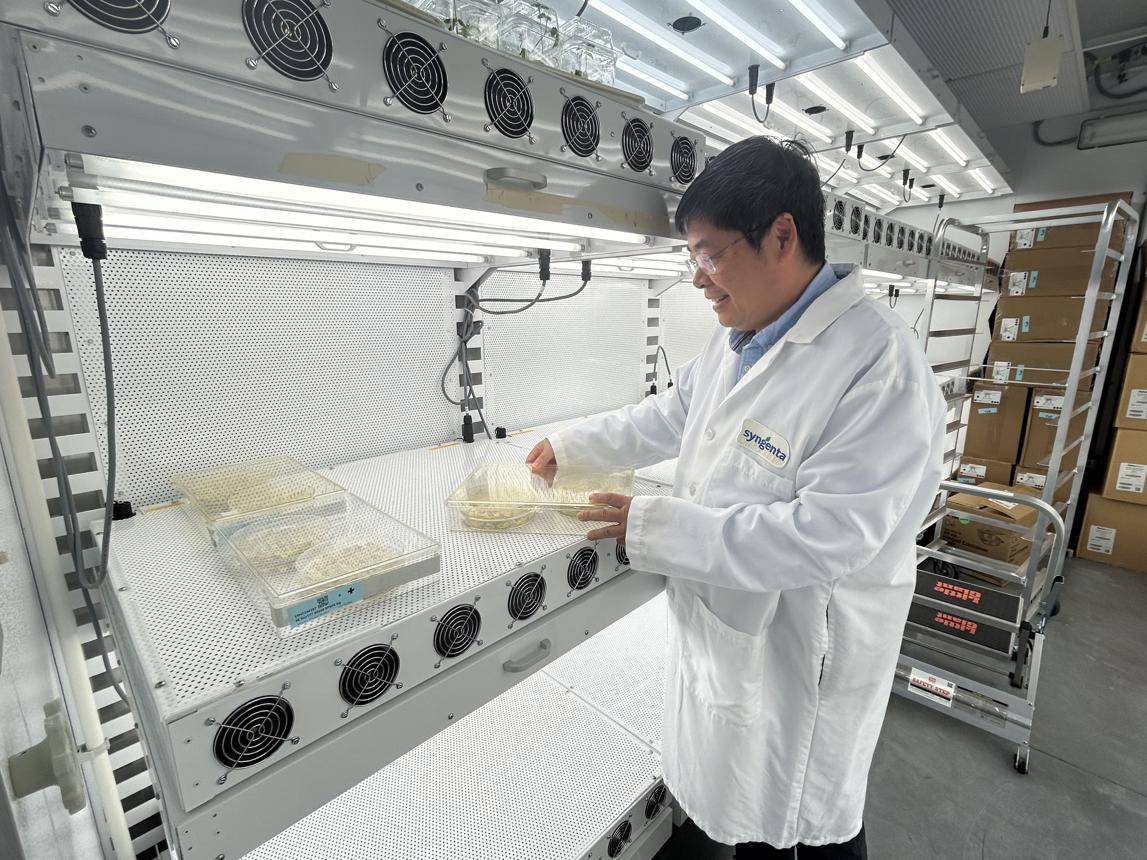
R&D capability was a significant part of ChemChina’s historical operating model.
The international footprint mattered because buyers evaluating a large chemical group should separate corporate scale from supplier-level capability. A global parent does not automatically mean that every subsidiary, factory or product line offers the same specification, documentation, capacity or export experience.
What Happened to ChemChina in 2021?
This is the key point for anyone researching ChemChina today. On March 31, 2021, Sinochem Group and ChemChina undertook a joint restructuring with State Council approval. Sinochem Holdings Corporation Ltd. was established on May 8, 2021 as the holding entity for the two organizations.
The current Sinochem Holdings organization spans eight business areas: life science, materials science, petrochemicals, environmental science, rubber and tire, machinery and equipment, city operation, and industrial finance. ChemChina’s historical businesses therefore need to be understood within this broader corporate structure rather than presented as an unchanged standalone conglomerate.
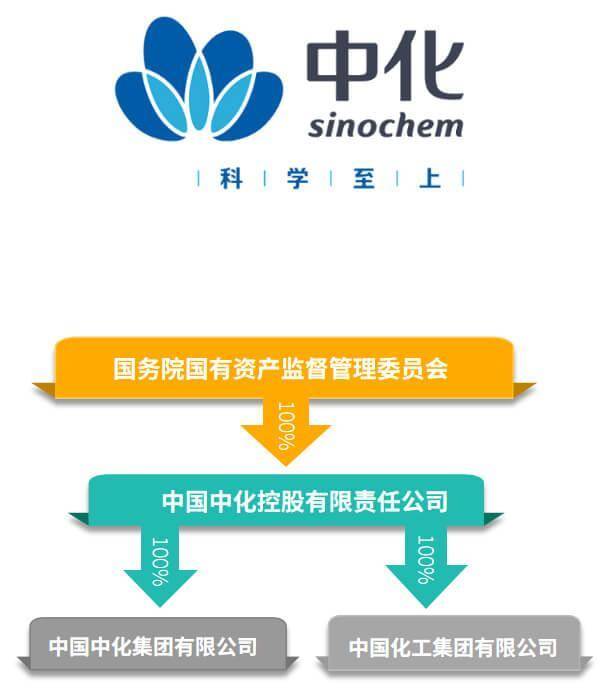
The 2021 restructuring placed ChemChina and Sinochem Group within the Sinochem Holdings framework.
What ChemChina Means for Industrial Chemical Buyers
The practical lesson for a bulk importer is simple: corporate reputation is only the starting point. The actual purchasing decision should be based on the manufacturing entity, product specification, quality documentation, regulatory requirements, logistics and demonstrated supply performance.
A published Poland case example shows why product-level evidence matters: a steel galvanizing plant reported inconsistent quality from local suppliers before receiving 95% industrial-grade zinc chloride in 50-ton shipments, followed by an ongoing partnership.
WhatsApp Us for Free a Consultation
Grade selection is another example. The published zinc chloride specifications show why 95% and 98% grades must be compared by purity and impurity limits.
| Parameter | 95% Industrial Grade | 98% High Purity |
| Zinc chloride (ZnCl₂) | Min. 95.0% | Min. 98.0% |
| Iron (Fe) | Max. 0.05% | Max. 0.001% |
| Sulfate (SO₄²⁻) | Max. 0.05% | Max. 0.01% |
| Water insolubles | Max. 0.1% | Max. 0.05% |
The right grade should match the process, not simply the highest headline purity.
Decision-Maker Insight
For an owner or procurement leader, the main ChemChina lesson is not that bigger groups are automatically safer suppliers. It is that scale, international reach and recognizable brands can reduce some sourcing uncertainty, but they do not replace due diligence on the exact product and manufacturing entity.
Technical Note
When comparing chemical suppliers, check the same parameters on every quotation and COA. For zinc chloride, impurity limits such as iron, sulfate and water insolubles can be more decision-relevant than purity alone. Sample testing and batch-specific documentation help confirm that the quoted material matches the process requirement.
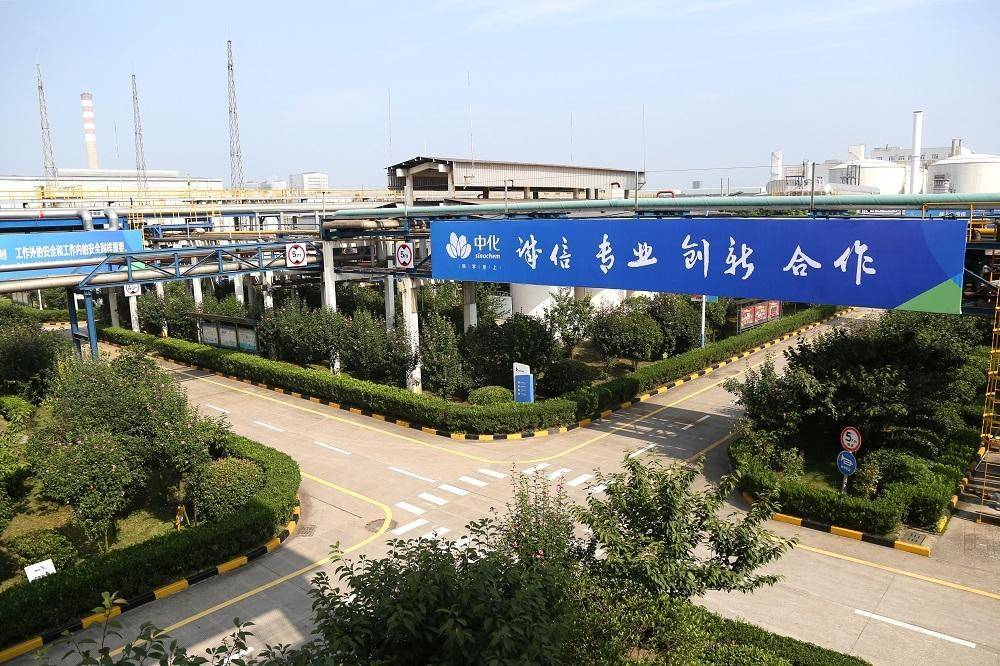
Industrial scale can support supply capacity, but buyers still need product- and factory-level verification.
How to Evaluate a Chinese Chemical Manufacturer
Before a bulk order, verify:
- The legal manufacturer and production location.
- The exact product grade and specification.
- Batch-specific COA and SDS documentation.
- Applicable certifications and destination-market requirements.
- Production capability and realistic lead time.
- Previous export experience with comparable customers.
Application guidance covers the major industrial use cases.
For current zinc chloride procurement, application guidance helps match the chemical to its industrial use; certification guidance helps buyers assess documentation; bulk sourcing guidance covers sampling and shipment checks; zinc chloride types guidance clarifies grade terminology; the galvanizing grade guide adds process context; and the China supplier-verification guide focuses on manufacturer-level due diligence.
For the corporate timeline, Sinochem Holdings’ official history confirms the 2021 restructuring and May 8, 2021 establishment date.
Frequently Asked Questions
Is ChemChina still an independent company?
No. ChemChina and Sinochem Group underwent a joint restructuring in 2021, and Sinochem Holdings was established on May 8, 2021 as the holding entity.
When was ChemChina founded?
ChemChina was founded on May 9, 2004, based on China National BlueStar, China Haohua Chemical and other companies.
Did ChemChina acquire Pirelli?
Yes. ChemChina agreed in 2015 to acquire a 26.2% stake in Pirelli through China National Tire & Rubber, followed by a broader offer process.
Did ChemChina acquire Syngenta?
Yes. ChemChina agreed to acquire Syngenta in 2016 and completed the transaction in 2017.
Why is ChemChina relevant to chemical sourcing today?
Its history shows how large Chinese chemical groups can combine domestic manufacturing scale with international acquisitions. For buyers, however, the relevant decision remains the specific manufacturer, specification, documentation and supply capability behind the order.
Video: Inside a verified production plant showing strict quality controls and processing standards for industrial-grade zinc chloride
WhatsApp Us for Free a Consultation
Industrial Buyers: Next Steps for Sourcing Bulk Zinc Chloride
What makes our Zinc Chloride Better:
✅ Compliant with EU, UN, ISO Standards – No Legal Headaches
✅ Guaranteed Purity – Stability for your Processing Plant
✅ Batch-Specific COA Provided – Full Transparency per Shipment.
Download Our EU-approved FREE COA & Specifications. Specifications Page