



Introduction
Buying zinc chloride in bulk is not only about checking whether the bag says 95% or 98%.
For an industrial buyer, the more important question is whether the chemical meets the needs of the production process. A product can have the right headline purity but still fail your internal requirements because of iron, sulfate, water-insoluble material, or heavy metals.
This is why zinc chloride purity testing matters before moving from a sample to regular bulk supply.
A good quality check should look at the full specification, the test results, the batch-specific Certificate of Analysis (COA), packaging, and supplier documentation.
For CamaZincChloride, the current specification lists both 95% industrial-grade and 98% high-purity zinc chloride, with different impurity limits for each grade.

Laboratory testing helps buyers check whether zinc chloride meets the agreed product specification.
Why Zinc Chloride Purity Testing Matters
Zinc chloride is used in several industrial processes, including metal treatment, galvanizing, chemical synthesis, battery manufacturing, water treatment, textile processing, rubber production, and paper processing. The required quality can change from one application to another.
For example, a process with strict contamination limits may need a higher-purity product. Another process may work well with 95% industrial-grade zinc chloride.
The goal is not always to buy the highest purity.
The goal is to buy the correct specification for your process.
A proper testing and verification process can help you:
- Confirm the zinc chloride content.
- Check important impurities.
- Compare the supplier’s results with your own requirements.
- Reduce the risk of rejected material.
- Check different batches for consistency.
- Make a better 95% versus 98% grade decision.
What Is Tested in Zinc Chloride Purity Testing?
Purity testing should not focus only on the ZnCl₂ percentage.
Several other parameters can affect whether the material is suitable for industrial use.
1. Zinc Chloride Content
The first number most buyers look at is the actual zinc chloride content.
CamaZincChloride currently lists:
| Parameter | 95% Industrial Grade | 98% High Purity |
| Zinc Chloride (ZnCl₂) | Min. 95.0% | Min. 98.0% |
| Iron (Fe) | Max. 0.05% | Max. 0.001% |
| Sulfate (SO₄²⁻) | Max. 0.05% | Max. 0.01% |
| Water Insolubles | Max. 0.1% | Max. 0.05% |
| Heavy Metals (as Pb) | Max. 0.05% | Max. 0.002% |
These figures are from the current product specification and should be checked against the specification agreed for your purchase.
For a detailed comparison of purity and impurity limits, see the zinc chloride specifications.
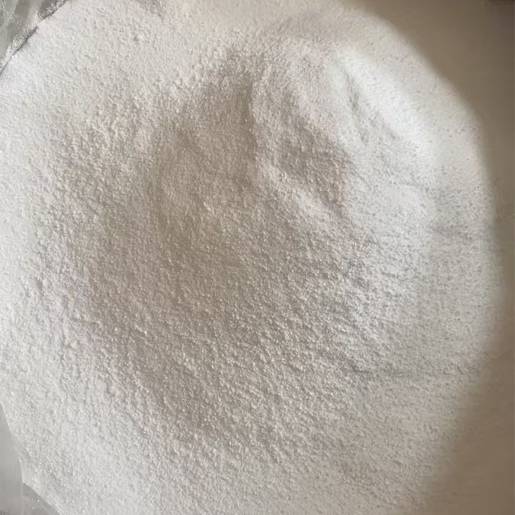
A complete specification gives buyers more information than the headline purity percentage.
2. Iron Content
Iron is an important impurity to check in many industrial applications.
A large difference can be seen between the two CamaZincChloride grades:
- 95% grade: maximum 0.05% iron
- 98% grade: maximum 0.001% iron
This is why two products with similar-looking purity labels may not behave in exactly the same way in a production process.
If your process has a strict iron limit, compare the supplier’s actual test result with your own requirement.
3. Sulfate Content
Sulfate is another parameter that should be included in the quality check.
The current specification lists a maximum sulfate level of 0.05% for the 95% grade and 0.01% for the 98% grade.
Do not compare suppliers using only the ZnCl₂ percentage. Ask for the full impurity table.
4. Water-Insoluble Material
Water-insoluble material is another useful quality parameter.
CamaZincChloride lists:
- 95% grade: maximum 0.1%
- 98% grade: maximum 0.05%
For processes that need a cleaner chemical input, this parameter can be important.
5. Heavy Metals
Heavy metals should also be checked when the application has strict contamination limits.
The current listed limit for heavy metals, measured as lead, is:
- 95% grade: maximum 0.05%
- 98% grade: maximum 0.002%
This large difference shows why buyers should request the complete specification instead of asking only, “Is this zinc chloride 98%?”
How Is Zinc Chloride Purity Verified?
The exact analytical method should match the agreed product specification and the buyer’s quality system.
In practice, an industrial buyer should use several layers of checking.
Step 1: Check the Product Specification
Start with the agreed specification.
Confirm:
- ZnCl₂ content
- Iron
- Sulfate
- Water insolubles
- Heavy metals
- Other application-specific limits
The supplier and buyer should agree on these requirements before the bulk order.
The full zinc chloride specifications can be checked against your own purchasing requirements.
Step 2: Request a Sample
A sample allows your technical team or laboratory to test the product before committing to regular supply.
CamaZincChloride’s current process includes sending a 500 g sample for laboratory testing against the buyer’s technical specifications.
This is useful for first-time importers because the sample gives the buyer a chance to check the material before moving to a full container.
WhatsApp Us for Free a Consultation
Step 3: Check the COA
A Certificate of Analysis, or COA, gives batch-level information about the material.
When reviewing a COA, compare it with the agreed specification.
Do not simply check that the document says “95%” or “98%”.
Look at the individual test results.
For example, a buyer should check whether the reported iron, sulfate, water-insoluble material, and heavy-metal values are within the agreed limits.
CamaZincChloride states that a batch-specific COA can be provided before purchase.
You should also verify the supplier’s zinc chloride supplier certifications to confirm that the quality and compliance documents support your purchasing requirements.

Product documentation should match the material and grade being purchased.
Step 4: Compare Results With Your Internal Standard
Your production team may have tighter requirements than a general industrial specification.
For example, your process may require a lower iron level than the standard supplier specification.
In that case, the supplier should know your requirement before the quotation and sample stage.
This avoids a common purchasing mistake: ordering a product first and checking whether it works later.
95% vs 98% Zinc Chloride: Does Higher Purity Mean Better Quality?
Not always.
The 98% grade has a higher minimum ZnCl₂ content and tighter listed limits for several impurities. That can make it suitable for applications where contamination control is more important.
However, the 95% grade can be suitable when its specification already meets the production requirement.
A real customer example supports this approach. A customer using zinc chloride for steel galvanizing reported moving from 98% material to 95% industrial grade after finding that the

The correct grade depends on the production requirement, not simply the highest purity number.
When 95% May Be Suitable
95% industrial grade may be suitable when:
- The process accepts the listed impurity limits.
- Very low iron is not required.
- The application does not require the tighter 98% specification.
- The buyer wants to control raw-material cost while meeting technical needs.
When 98% May Be Suitable
98% high-purity zinc chloride may be more suitable when:
- The process has tighter impurity limits.
- Lower iron is important.
- Heavy-metal limits are strict.
- The manufacturing process needs higher chemical purity.
- The buyer’s internal specification requires 98% material.
The best decision comes from comparing the complete specification with the production process.
For a detailed comparison of the two grades, including purity, impurity limits, applications, pricing considerations, and bulk procurement factors, read our guide on Zinc Chloride 95% vs 98%.
You can also review zinc chloride applications to understand how the material is used across different industrial sectors.
What Should an Industrial Buyer Check on a Zinc Chloride COA?
A useful COA review should answer five simple questions:
Is the product grade correct?
Check that the COA matches the ordered grade.
Is the ZnCl₂ result within specification?
Compare the reported result with the minimum required purity.
Are the impurities within limits?
Check iron, sulfate, water insolubles, heavy metals, and any other agreed parameters.
Does the batch information match the shipment?
The COA should clearly relate to the material being supplied.
Does the documentation support your compliance needs?
Depending on the destination and application, buyers may also need SDS/MSDS and other regulatory or transport documents.
For European buyers, REACH status can also be important. CamaZincChloride currently lists REACH among its product credentials.
Technical Note
Zinc chloride is highly deliquescent, which means it can absorb moisture from the air. This makes proper packaging, storage, and handling important.
The current CamaZincChloride specification lists 25 kg bags and 1,000 kg bags, with different container-loading options. It also lists FOB Shanghai shipping and a typical lead time of 7–21 days.
Always follow the supplier’s SDS and your site’s chemical-handling procedures.
How to Reduce Risk When Buying Zinc Chloride in Bulk
Testing is only one part of supplier verification.
A first-time importer should also check:
- Product grade and complete specification
- Sample test results
- Batch-specific COA
- SDS/MSDS documentation
- Packaging requirements
- Supplier certifications
- Production capacity
- Shipping and delivery terms
- Ability to support repeat orders
The bulk zinc chloride buying guide covers grade, packaging, supplier checks, and bulk purchasing considerations in more detail.
You can also review zinc chloride supplier certifications when checking documentation and compliance requirements.
For examples of real industrial customer experience, the South African steel-coating case study is part of the site’s success-story collection.

Visual inspection can support quality checks, but laboratory testing and documentation are needed for a proper purity decision.
Decision-Maker Insight
For a business owner or purchasing manager, the lowest price per ton is not always the lowest total cost.
A rejected batch, production delay, extra laboratory testing, or emergency replacement order can cost much more than a small difference in the purchase price.
A better buying decision compares:
Price + purity + impurity limits + batch consistency + documentation + packaging + logistics + supply reliability.
The goal is a stable supply that meets your production needs over many shipments.
Frequently Asked Questions About Zinc Chloride Purity Testing
What is zinc chloride purity testing?
Zinc chloride purity testing checks the amount of ZnCl₂ in the product and reviews important impurity levels to confirm that the material meets the agreed specification.
What impurities should be checked in zinc chloride?
Important parameters can include iron, sulfate, water-insoluble material, and heavy metals. The exact limits depend on the grade and application.
Is 98% zinc chloride always better than 95%?
No. The 98% grade has higher minimum ZnCl₂ content and tighter impurity limits, but 95% may be suitable when its specification meets the production requirement.
What is a zinc chloride COA?
A Certificate of Analysis is a quality document that reports test results for a particular batch of chemical material.
Should I test a zinc chloride sample before buying in bulk?
For a first bulk order, sample testing can help your technical team confirm that the product matches your process requirements before moving to regular shipments.
What documents should I request from a zinc chloride supplier?
Depending on your application and destination, request the product specification, batch-specific COA, SDS/MSDS, and applicable certification or regulatory documents.
How can I compare two zinc chloride suppliers?
Compare the complete chemical specification, test results, documentation, packaging, shipping terms, production capability, and ability to maintain consistent supply. Do not compare suppliers using purity percentage alone.
Watch this video to see how zinc chloride is produced and processed, giving buyers a closer look at the manufacturing process behind industrial-grade zinc chloride.
Conclusion
Zinc chloride purity testing helps industrial buyers make a safer and more informed purchasing decision.
The most important point is simple: do not judge zinc chloride only by the number 95% or 98%.
Check the complete specification.
Review the impurity limits.
Test a sample when needed.
Compare the batch-specific COA with the agreed requirements.
Then check packaging, documentation, certifications, and supply reliability before moving into regular bulk orders.
The right zinc chloride grade is the one that consistently meets the needs of your production process.
Industrial Buyers: Next Steps for Sourcing Bulk Zinc Chloride
What makes our Zinc Chloride Better:
✅ Compliant with EU, UN, ISO Standards – No Legal Headaches
✅ Guaranteed Purity – Stability for your Processing Plant
✅ Batch-Specific COA Provided – Full Transparency per Shipment.
Download Our EU-approved FREE COA & Specifications. Specifications Page