



If you’re weighing zinc chloride vs zinc acetate, the shared “zinc” name is where the similarity mostly ends. Zinc chloride is a chloride salt used across heavy industrial processes — galvanizing, water treatment, battery manufacturing. Zinc acetate is an acetate salt used mainly in pharmaceutical, food, and specialty chemical applications. They rarely compete for the same order, but buyers researching zinc compounds often land on both, so it’s worth being clear on which one your process actually needs.
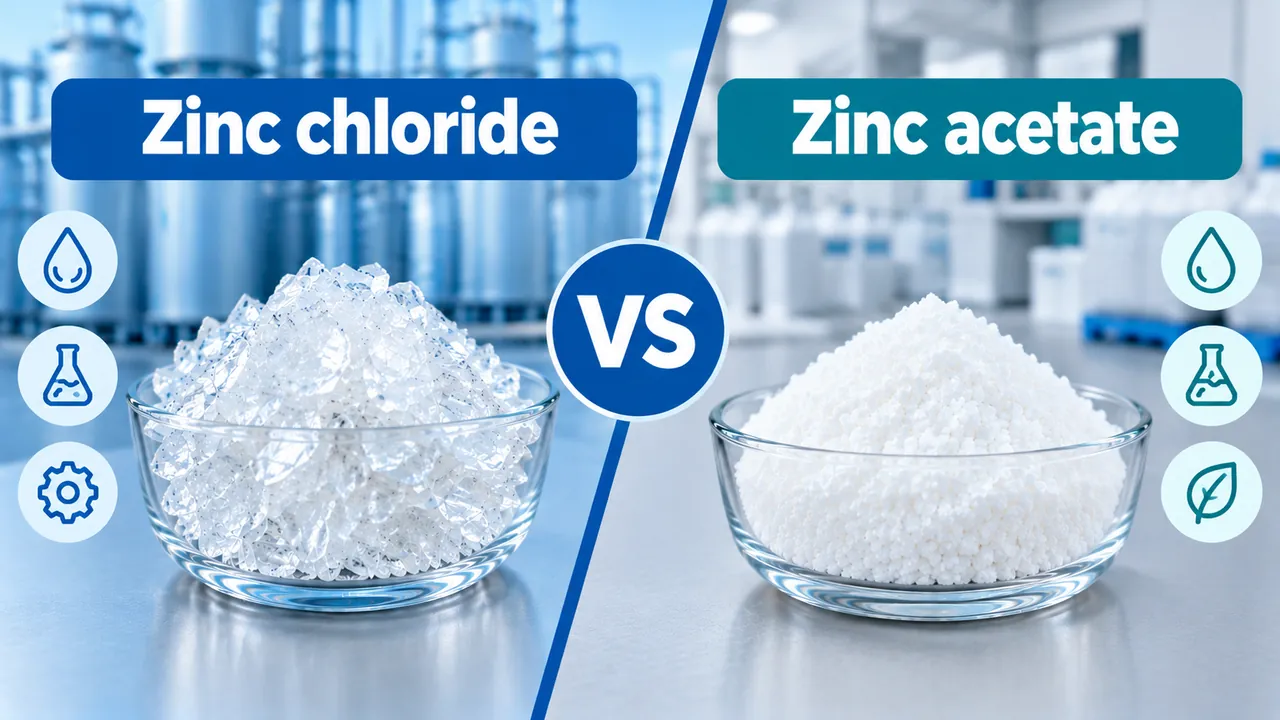
Zinc chloride vs zinc acetate: a visual comparison of two zinc-based industrial chemicals.
What Is Zinc Chloride?
Zinc chloride (ZnCl₂) is a highly water-soluble chloride salt used in galvanizing flux, water treatment, textile processing, oil & gas, and battery manufacturing. It’s sold in two standard industrial grades:
- 95% industrial grade — galvanizing flux, water treatment, textiles, oil & gas
- 98% high-purity grade — battery electrolyte production, higher-purity chemical synthesis
Decision-Maker Insight: If your process only needs 95% grade, don’t overpay for 98% high-purity material — the full parameter data confirms industrial-grade zinc chloride meets galvanizing and water treatment specs without it.
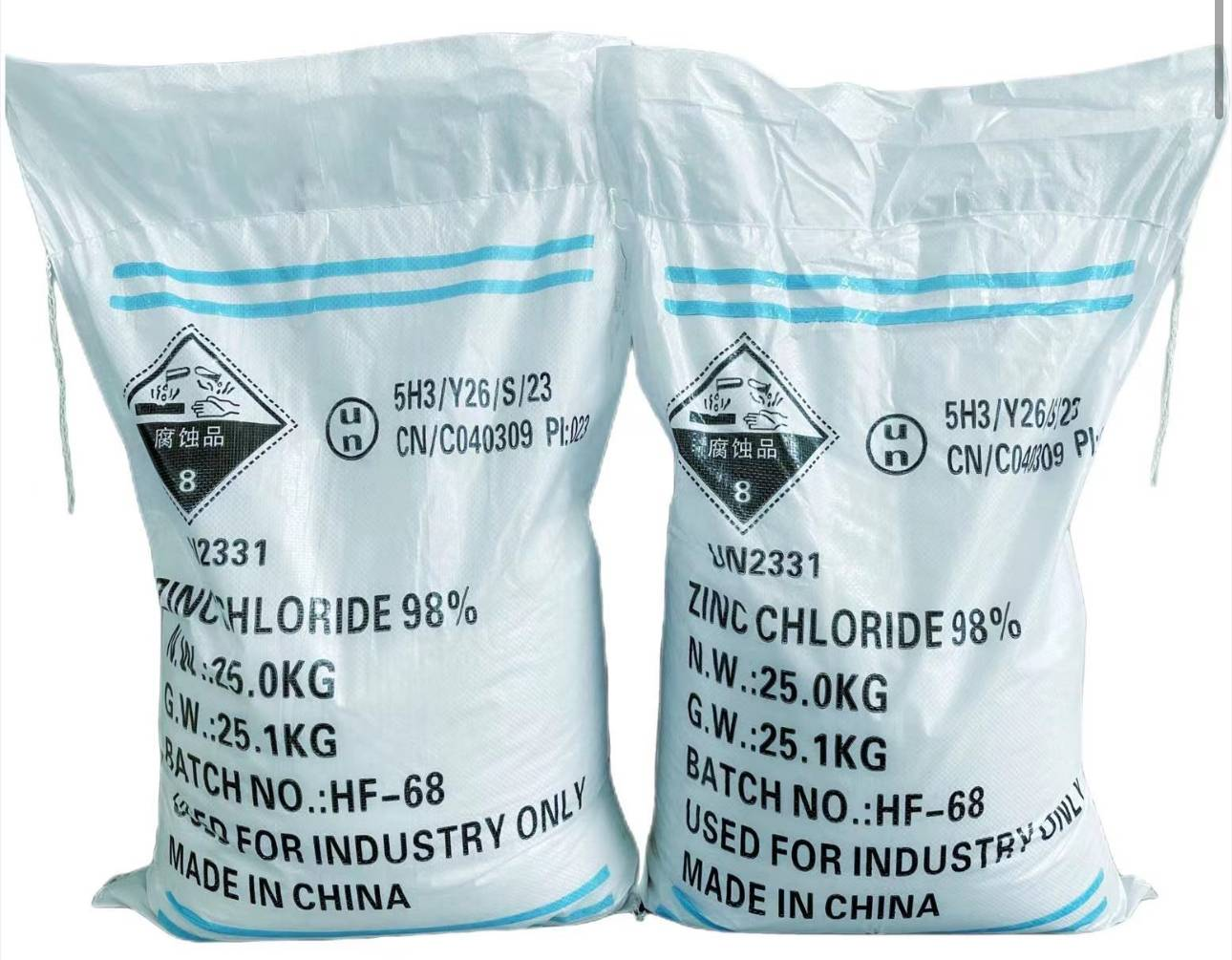
UN 2331, Class 8 compliant packaging — 25kg/50kg bags or 1,000kg jumbo bags depending on order size.
What Is Zinc Acetate?
Zinc acetate (Zn(CH₃COO)₂) is produced by reacting zinc oxide or zinc carbonate with acetic acid, typically supplied as the dihydrate form. Its use cases sit almost entirely outside zinc chloride’s territory:
- Pharmaceutical and dietary — zinc deficiency treatment, cold-symptom lozenges, and (in some formulations) Wilson’s disease management
- Topical/medical — astringent in ointments and acne treatments, due to high bioavailability
- Textiles — dye mordant, improving dye adhesion to fabric
- Chemical synthesis — catalyst/Lewis acid in organic reactions, precursor to zinc oxide and other zinc salts
- Wood preservation and ceramics/glazes
Zinc acetate is typically graded ACS (catalytic/analytical use) or USP (pharmaceutical use), which is a different grading logic entirely from zinc chloride’s 95%/98% industrial split.
Zinc Chloride vs Zinc Acetate: Side-by-Side Comparison
| Factor | Zinc Chloride (ZnCl₂) | Zinc Acetate (Zn(CH₃COO)₂) |
|---|---|---|
| Compound type | Chloride salt | Acetate salt |
| Common grades | 95% industrial, 98% high-purity | ACS (catalytic), USP (pharmaceutical) |
| Primary industries | Galvanizing, water treatment, battery, textiles, oil & gas | Pharmaceutical, dietary supplements, textiles (mordant), chemical synthesis |
| Common form | Anhydrous solid powder | Dihydrate crystalline powder |
| Typical order volume | 25 tons (1 container) and up | Generally smaller, application-specific batches |
| Packaging standard | UN 2331, Class 8 — 25kg bags, 1,000kg jumbo bags | Typically non-hazmat, smaller sealed packaging |
Where the Two Overlap
The overlap is narrower than the shared name suggests. Both are used in textile processing — zinc chloride in general textile treatment, zinc acetate specifically as a dye mordant to help dye bind to fabric. Beyond that, the two don’t really compete: zinc chloride has no role in pharmaceutical or dietary applications, and zinc acetate has no role in galvanizing or battery electrolyte production.
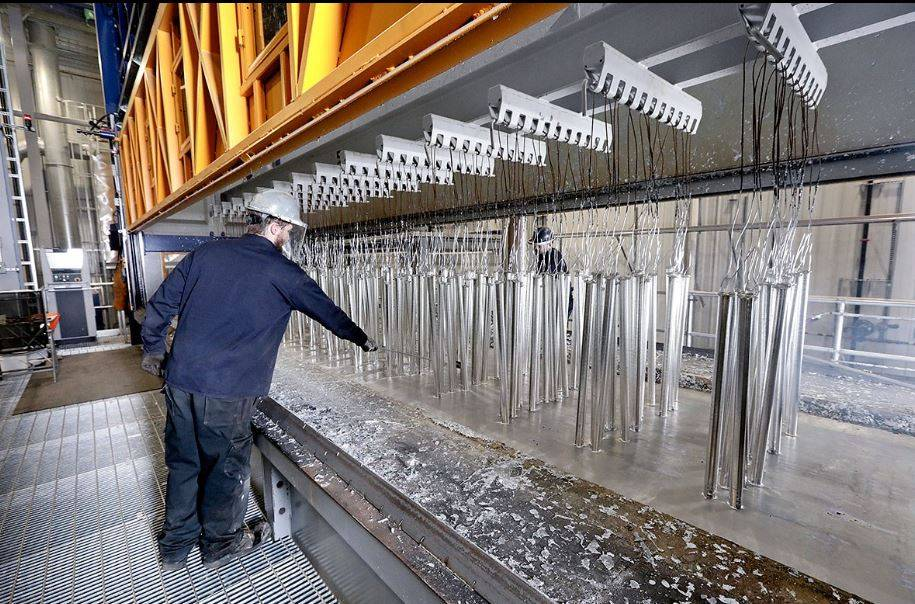
Zinc chloride’s galvanizing role has no zinc acetate equivalent — the two rarely compete for the same order.
Technical Note: Zinc chloride’s industrial value comes from its ionic chloride chemistry — it’s a strong Lewis acid used in flux and electrolyte roles. Zinc acetate’s value comes from its acetate ligand structure, which gives it higher bioavailability for pharmaceutical use and makes it a milder, more controllable catalyst for organic synthesis. These are functionally distinct chemistries, so substituting one for the other isn’t viable even where applications sound adjacent.
Ready to Buy Zinc Chloride From a Verified Source?
Contact our team today for a quotation, sample, and delivery timeline.
WhatsApp Us for Free a Consultation
How to Choose Between Them
- What is the actual function you need? Metal bonding/coating, water treatment, or battery electrolyte — zinc chloride. Pharmaceutical formulation, dietary supplement, dye mordant, or catalyst — zinc acetate.
- What grade does your spec require? Zinc chloride: confirm 95% industrial vs. 98% high-purity. Zinc acetate: confirm ACS vs. USP grade — these serve very different downstream use cases.
- What volume are you actually ordering? Zinc chloride bulk pricing improves significantly at container-load volumes (25+ tons). Zinc acetate orders are typically sized to a specific formulation batch, not bulk industrial tonnage.
Sourcing Either Chemical From China: What First-Time Importers Should Check
Whether you land on zinc chloride or zinc acetate, the sourcing risks are similar. Before committing to a supplier:
- Confirm it’s a factory, not just a trading company. A legitimate China-based manufacturer won’t hesitate on a factory visit or live video walkthrough.
- Request a Certificate of Analysis (CoA) per batch, not a generic spec sheet.
- Check for ISO 9001, SGS, and REACH certification before assuming compliance.
- Start with a sample. A 500g sample for pre-bulk testing is standard practice for verifying quality before committing to a full container order.
Ask for actual certification documentation for the specific chemical — ISO 9001, SGS, REACH — not just a company-level badge.

Batch-specific CoA and sample verification — request this before every shipment, not just the first one.
Decision-Maker Insight: The real cost of a bad sourcing decision usually isn’t the unit price — it’s a failed shipment or a batch that doesn’t meet your downstream spec. Real customer results show verifying the supplier upfront costs a few days; fixing a bad shipment costs weeks.
Want to See Zinc Chloride in Industrial Use?
Want to see how zinc chloride is used in a real industrial setting? Check out this short video.
Ready to move forward? Reach out directly and we’ll walk you through grade selection, sample options, and lead times.
WhatsApp Us for Free a Consultation
FAQ
Is zinc chloride the same as zinc acetate?
No. They’re different zinc compounds — zinc chloride is a chloride salt used in galvanizing, water treatment, and battery production; zinc acetate is an acetate salt used mainly in pharmaceuticals, dietary supplements, and as a textile dye mordant.
Can zinc acetate replace zinc chloride in galvanizing flux?
No. Zinc chloride’s flux role relies on its chloride ion chemistry with steel surfaces. Zinc acetate has no established use in galvanizing.
Which is more expensive, zinc chloride or zinc acetate?
Zinc acetate generally costs more per ton, driven by its more involved production process (reacting zinc oxide with acetic acid) and its typically smaller, pharmaceutical- or specialty-grade production runs.
Do I need 95% industrial or 98% high-purity zinc chloride grade?
Most galvanizing, water treatment, and textile applications use 95% industrial grade. Battery manufacturing and higher-purity chemical synthesis typically require 98% high-purity grade. Full parameter details here.
What documentation should I request before ordering either chemical in bulk?
At minimum: a batch-specific Certificate of Analysis (CoA), MSDS, and confirmation of ISO 9001/SGS/REACH certification. Avoiding common first-time buyer mistakes covers what typically gets missed under order deadlines.
Conclusion
Zinc chloride and zinc acetate share a name but serve almost entirely different markets. The right choice comes down to function: heavy industrial and metal-treatment work points to zinc chloride, while pharmaceutical, dietary, and specialty chemical work points to zinc acetate. Once you’ve confirmed the right chemical, the sourcing checklist is the same either way — verify the factory, request real documentation, and start with a 500g sample before committing to bulk.
Industrial Buyers: Next Steps for Sourcing Bulk Zinc Chloride
What makes our Zinc Chloride Better:
✅ Compliant with EU, UN, ISO Standards – No Legal Headaches
✅ Guaranteed Purity – Stability for your Processing Plant
✅ Batch-Specific COA Provided – Full Transparency per Shipment.
Download Our EU-approved FREE COA & Specifications. Specifications Page