




Zinc chloride is not the first chemical most people associate with the oil and gas industry — but it shows up at several points across the value chain, from the drilling rig to the refinery. For oilfield service companies, drilling contractors, and chemical distributors evaluating zinc chloride for oil and gas operations, the real questions are usually practical: where exactly does it fit, which grade is appropriate, and how do you source it reliably in bulk from a first-time supplier.
This guide covers all three.
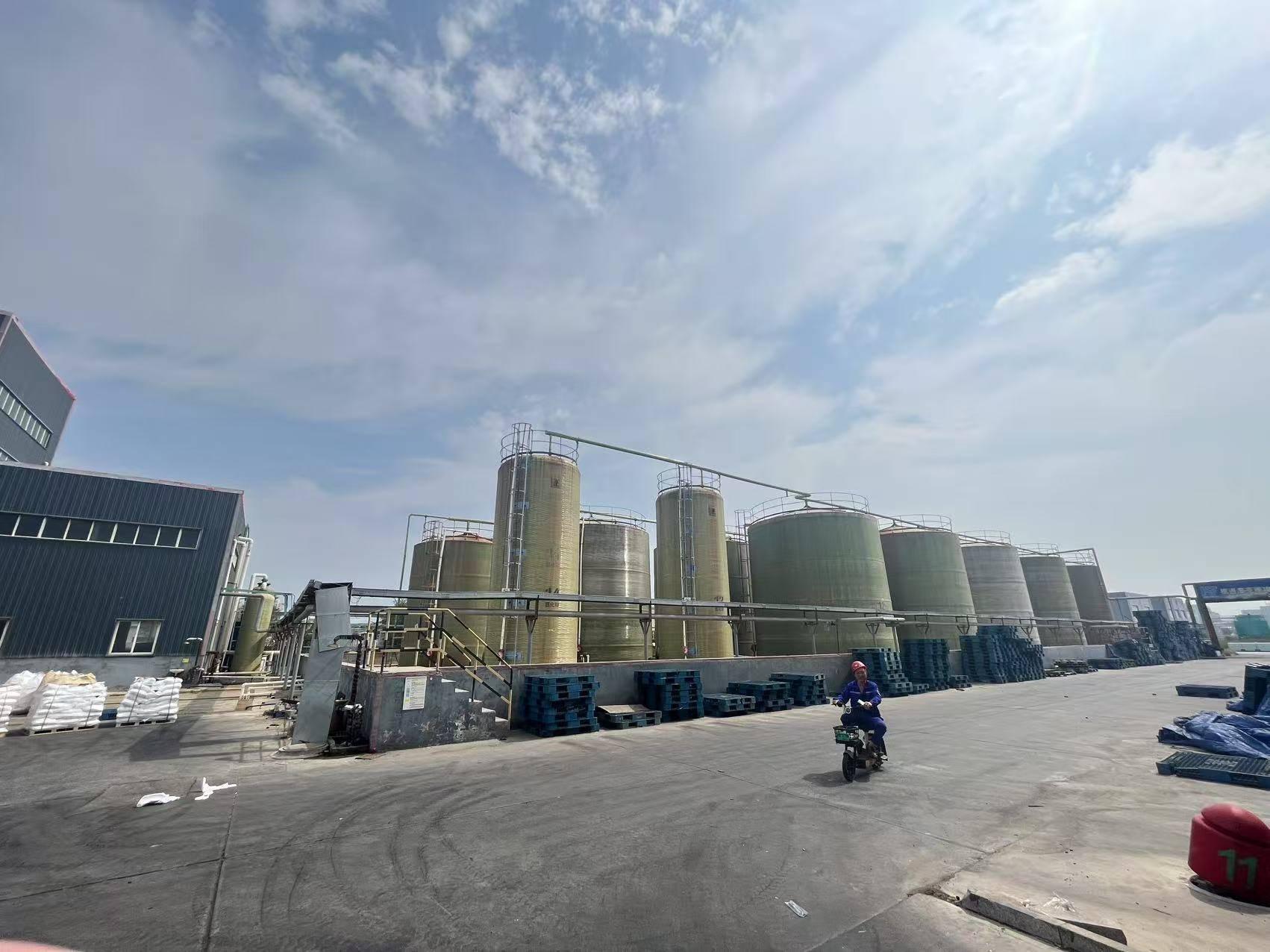
Drilling and completion operations are one of several points where zinc chloride enters the oilfield workflow.
Where Zinc Chloride Fits in the Oil & Gas Value Chain
Zinc chloride currently represents an estimated 9% of the industrial demand we see across our buyer base, using the 95% Industrial Grade for nearly all oilfield applications. See the full application breakdown across our industry segments for how this compares to our other seven segments. It’s a smaller share than water treatment or battery manufacturing, but a real and recurring one.
| Application | What Zinc Chloride Does | Typical Grade |
|---|---|---|
| Drilling fluids | Stabilizes clay/shale, limits swelling | 95% Industrial |
| Completion & workover fluids | Component in high-density brine systems | 95% Industrial |
| Oil-water separation | Breaks crude oil/water emulsions | 95% Industrial |
| Crude desulfurization | Assists in reducing sulfur content | 95% Industrial |
| Corrosion inhibition | Forms protective film on metal surfaces | 95% Industrial |
Drilling Fluids — Clay and Shale Stabilization
Shale formations contain clay minerals that swell and disperse on contact with water-based drilling fluids. Uncontrolled swelling:
- Narrows the wellbore
- Increases torque and drag
- Raises the risk of stuck pipe
Zinc chloride added to the drilling fluid system helps stabilize clay and limit hydration, keeping the borehole wall more consistent during drilling.
Completion and Workover Fluids
Completion and workover operations often require a clear, solids-free brine with enough density to control wellbore pressure without introducing suspended weighting agents that can damage the formation. Zinc chloride can be formulated into these high-density brine systems, sometimes alongside other salts such as calcium bromide, depending on the density and crystallization behavior the well requires. We’ve covered the zinc chloride vs. calcium bromide comparison for completion fluids in more depth.
Oil-Water Separation (Emulsion Breaking)
Crude oil extracted from a well is rarely just oil — it typically comes up mixed with water in a stable emulsion. Zinc chloride acts as an effective emulsion breaker, helping separate the oil phase from the water phase so the crude can move on to storage and refining without excess water content.
Sulfur Removal in Crude Oil Processing
Sour crude — crude with a high sulfur content — requires additional processing before it can be refined into usable products. Zinc chloride plays a role in some desulfurization processes, helping reduce sulfur content in crude oil streams as part of the broader refining workflow.
Corrosion Inhibition
Oilfield and refinery equipment is under constant attack from saline formation water, dissolved oxygen, and hydrogen sulfide. Zinc chloride, used correctly, forms a protective film on metal surfaces that reduces direct contact between the metal and these corrosive agents — extending equipment life across pipelines, casings, and processing systems.
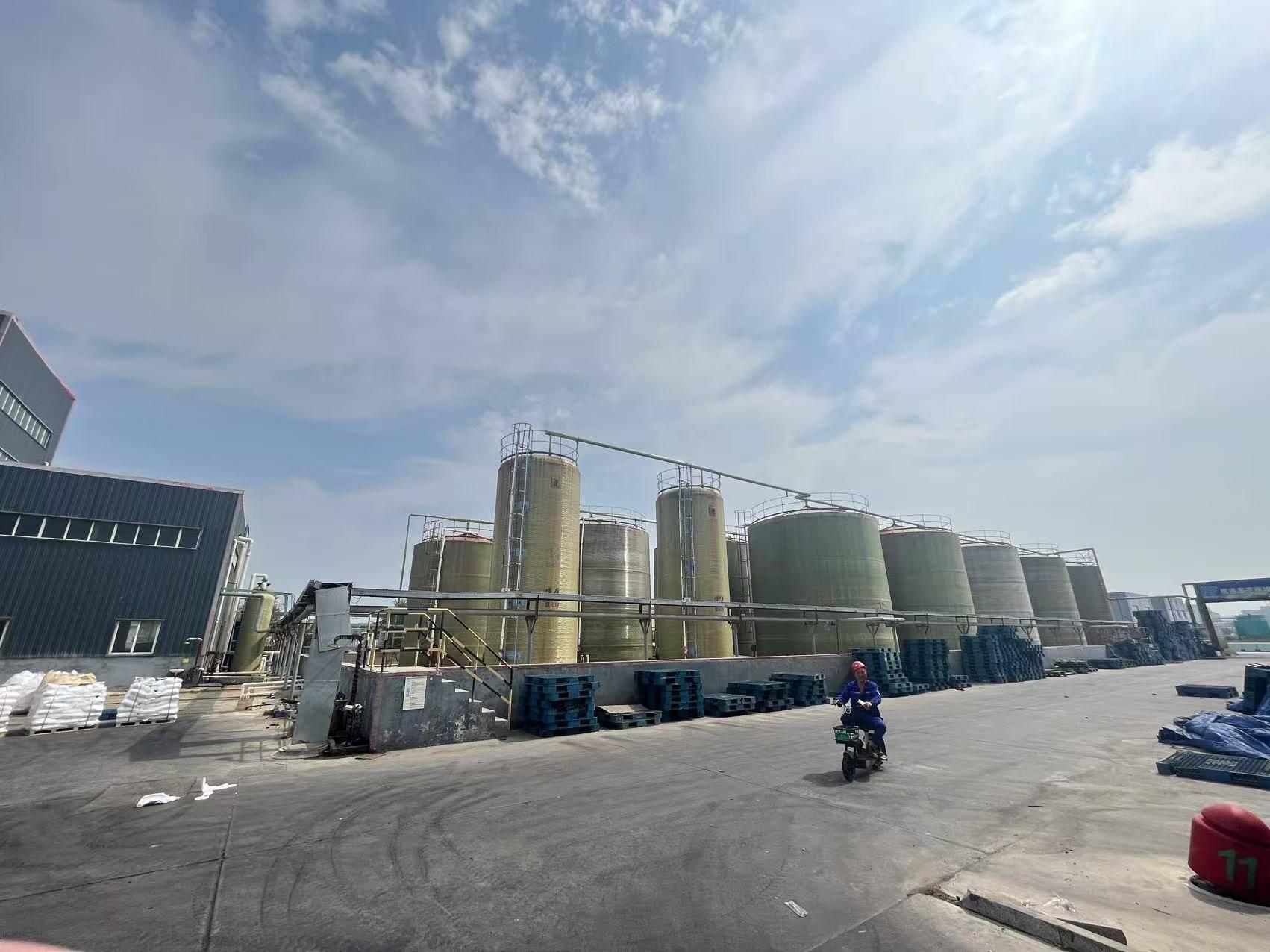
Zinc chloride touches several stages of oilfield and refinery infrastructure, not just one point in the process.
Decision-Maker Insight
None of these five applications require the highest-purity 98% grade. If your operation only uses zinc chloride for drilling fluid stabilization, completion brine formulation, emulsion breaking, desulfurization, or corrosion inhibition, the 95% Industrial Grade is the correct — and more cost-effective — choice. Paying for 98% purity when your process doesn’t require it is a common first-time-buyer mistake, not a safety margin.
Zinc Chloride vs. Other Oilfield Brine Chemicals
Zinc chloride is one of several salts used in high-density oilfield brine systems. A quick comparison helps frame where it sits:
| Chemical | Typical Role | Relative Density Potential | Corrosion Profile |
|---|---|---|---|
| Zinc Chloride | Completion brine, drilling fluid, corrosion inhibitor | High | Requires well-specific evaluation |
| Calcium Bromide | Clear-brine completion fluid | High | Requires well-specific evaluation |
| Calcium Chloride | Lower-density completion/workover brine | Moderate | Generally less aggressive |
When Zinc Chloride Makes Sense
- A high-density, solids-free brine is required
- The formation has already been tested for compatibility
- Equipment metallurgy has been checked against the concentration used
- A corrosion-control plan is in place
When to Consider Alternatives
- The required density is achievable with a lower-cost salt like calcium chloride
- Existing field procedures are already built around a different brine system
- Crystallization requirements favor a different chemistry at your operating temperature
Which Grade of Zinc Chloride Does the Oil & Gas Industry Need?
Both of our grades are REACH certified and produced to the same underlying quality system, but they differ in impurity limits — which matters for formulation consistency in a completion-fluid or corrosion-inhibitor blend.
| Parameter | 95% Industrial Grade | 98% High Purity |
|---|---|---|
| Zinc Chloride (ZnCl₂) | Min 95.0% | Min 98.0% |
| Iron (Fe) | Max 0.05% | Max 0.001% |
| Sulfate (SO₄²⁻) | Max 0.05% | Max 0.01% |
| Water Insolubles | Max 0.1% | Max 0.05% |
| Heavy Metals (as Pb) | Max 0.05% | Max 0.002% |
See the full specifications for both grades for complete parameter tables.
Why Most Oilfield Buyers Choose 95% Industrial Grade
- Meets requirements for drilling fluid, completion brine, emulsion breaking, desulfurization, and corrosion inhibition
- Lower cost per ton at the same order volume
- Widely available in bulk packaging suited to container shipments
When 98% High Purity Is Worth the Premium
- A specific formulation documents tighter iron or heavy-metal limits
- Downhole equipment metallurgy is sensitive to trace impurities
- Your engineering team has already specified 98% in the formulation sheet
Our detailed breakdown of 95% vs. 98% zinc chloride walks through how to make that call for your specific process.

Purity verification matters more for oilfield formulations than for most other industrial applications.
Quality and Compliance Concerns Specific to Oilfield Buyers
Oilfield buyers tend to ask sharper technical questions than buyers in some other segments — a batch-to-batch inconsistency in a completion fluid formulation can mean a failed job, not just a quality complaint.
| Concern | Why It Matters | What to Request |
|---|---|---|
| Batch-specific COA | A generic spec sheet doesn’t show this shipment’s actual values. | COA with real iron, sulfate, heavy-metal figures per batch |
| Moisture control in transit | Zinc chloride is highly hygroscopic; a shipment can absorb moisture and arrive out of spec. | Moisture-resistant 25 kg or 1,000 kg bags |
| Consistency across repeat orders | Oilfield operations often requalify material before full-scale use. | Confirmation that repeat shipments match the original COA |
We’re upfront that we don’t yet have a published oil & gas story on our success stories page the way we do for galvanizing or water treatment customers — it’s a smaller segment for us so far, at 9% of demand. What we can point to instead is the same certification base and factory quality system behind every grade we ship, including the 95% Industrial Grade that a Brazilian municipal water authority relies on for large-scale heavy-metal removal from drinking water — a comparable large-volume, purity-sensitive use case, even though it isn’t an oilfield application itself.
Certifications and Documentation Checklist
Before placing a bulk order, confirm your supplier can provide:
- ISO 9001 — quality management system certification
- SGS — independent third-party testing verification
- REACH — compliance for shipments into the EU
- Batch-specific COA — actual, not typical, values for this shipment
- SDS/MSDS — safety data sheet matching UN 2331, Class 8 packaging requirements
Our guide to supplier certifications covers what to actually verify, not just what to ask for, and our purity testing guide explains how to spot-check a COA.
Packaging and Logistics for Bulk Oilfield Orders
| Packaging Option | Typical Volume | Best For |
|---|---|---|
| 25 kg Bag (no pallet) | 27 tons / 20 ft container | Maximizing container volume |
| 25 kg bag (with pallet) | 25 tons / 20 ft container | Easier warehouse handling |
| 1,000 kg Bag (no pallet) | 27 tons / 20 ft container | Faster unloading at destination |
All packaging is UN 2331, Class 8-compliant and moisture-resistant — important given zinc chloride’s hygroscopic nature. Full details are on our packaging guide.
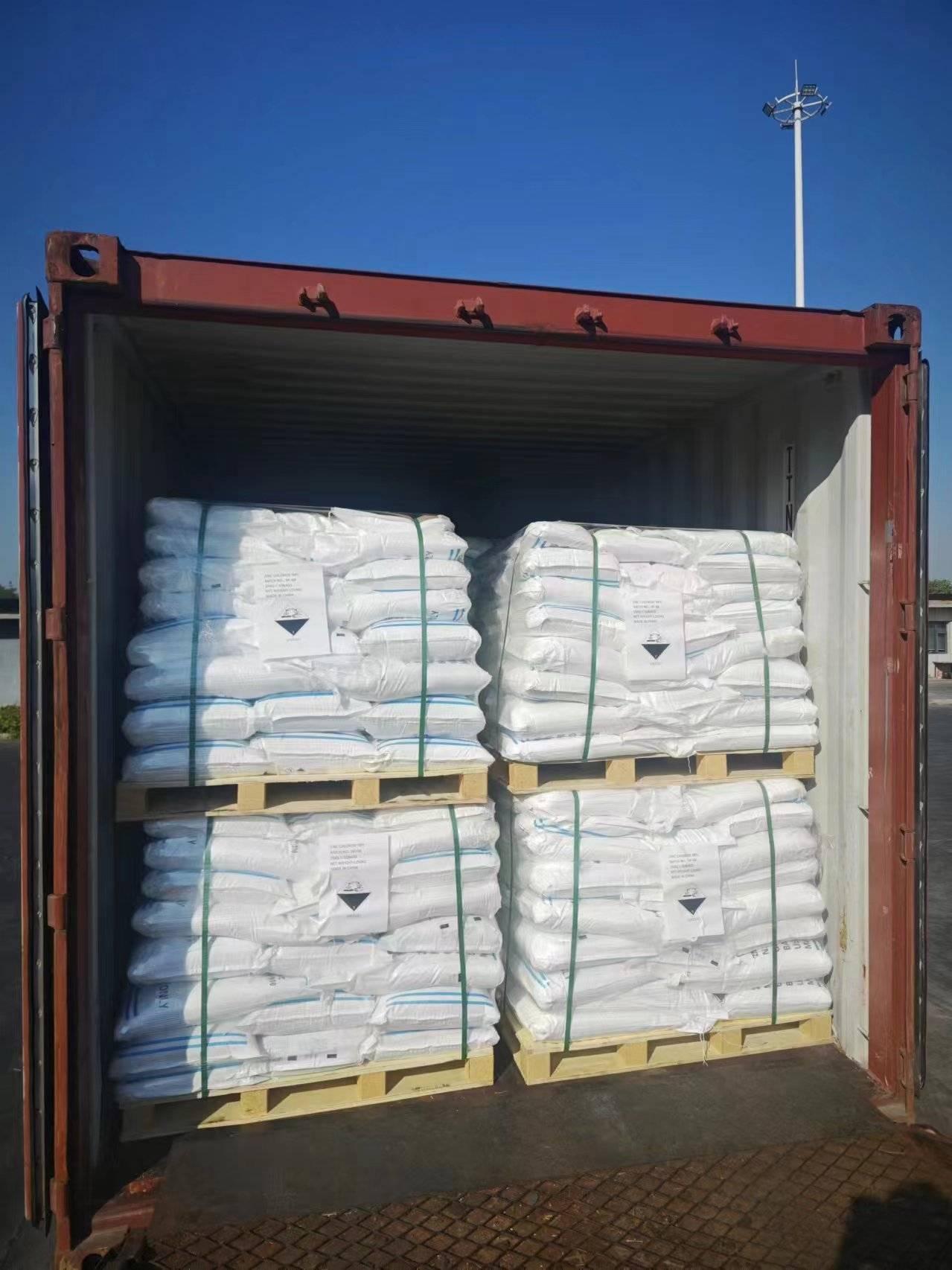
Packaging and moisture protection matter as much as the chemical spec for a hygroscopic material like zinc chloride.
Reach us on WhatsApp (Australia, Europe, North America):
WhatsApp Us for Free a Consultation
Sourcing Zinc Chloride from China – Step by Step
If this is your first time importing zinc chloride from China for an oilfield application, the process doesn’t need to be complicated:
Step 1: Confirm Your Application
Tell us it’s for drilling fluid, completion brine, corrosion inhibition, emulsion breaking, or desulfurization — the right grade recommendation depends on which one.
Step 2: Request a Sample
We offer 500 g–1 kg samples specifically so you can run your own formulation testing before placing a full container order.
Step 3: Verify Certifications
ISO 9001, SGS, and REACH documentation should be available on request before you commit.
Step 4: Verify Purity Independently
If your application is sensitive, spot-check the COA against your own lab testing rather than relying on the document alone.
Step 5: Confirm Packaging Fit
Match the bag size and pallet configuration to your warehouse and container-loading setup.
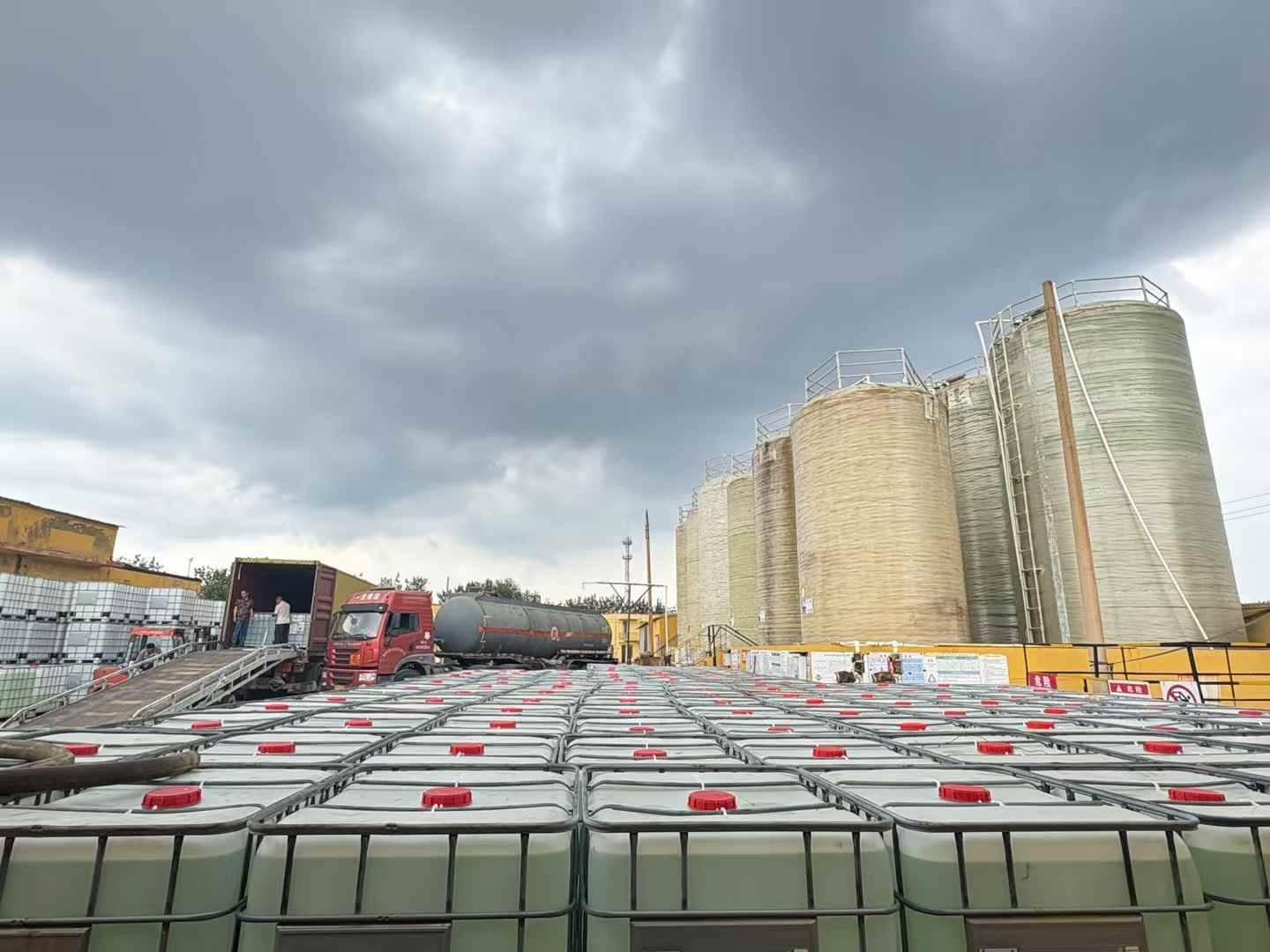 Sourcing directly from a manufacturing site rather than a reseller is one way first-time importers reduce risk.
If your operation also sources other oilfield chemicals from China beyond zinc chloride, our parent company CAMAL Group handles broader B2B sourcing and procurement support, which can be worth a conversation if zinc chloride is one of several materials you’re importing.
For a general first-time-importer walkthrough that isn’t oilfield-specific, our first-time importer’s guide and our three questions to ask a supplier cover the rest of the process.
Reach us on WhatsApp (Africa, Asia, South America):
WhatsApp Us for Free a Consultation
Technical Note:
Handling, Storage, and Formulation Considerations
Zinc chloride (CAS 7646-85-7) is highly deliquescent and forms an acidic solution when dissolved in water. For oilfield formulation work, a few handling points matter specifically:
- Corrosivity in concentrated solution. Concentrated zinc chloride brine is corrosive to many common metals, so equipment metallurgy should be checked against the specific concentration used — not just against the base chemical.
- Formation compatibility testing. As with any high-density completion brine, zinc chloride-based formulations should be tested against representative formation water before field deployment, since compatibility varies by reservoir.
- Crystallization behavior. At higher concentrations and lower temperatures, zinc chloride solutions can approach their crystallization point. Check this against your well’s operating temperature range rather than a general density chart.
- Storage. Store in a cool, dry environment in the original moisture-resistant packaging. Once opened, reseal promptly — zinc chloride’s hygroscopic nature means partial bags absorb ambient moisture quickly.
None of this replaces well-specific formulation testing. It’s a starting point for evaluating whether zinc chloride is a fit for your particular application. For additional reference on zinc chloride’s chemical properties, see PubChem.
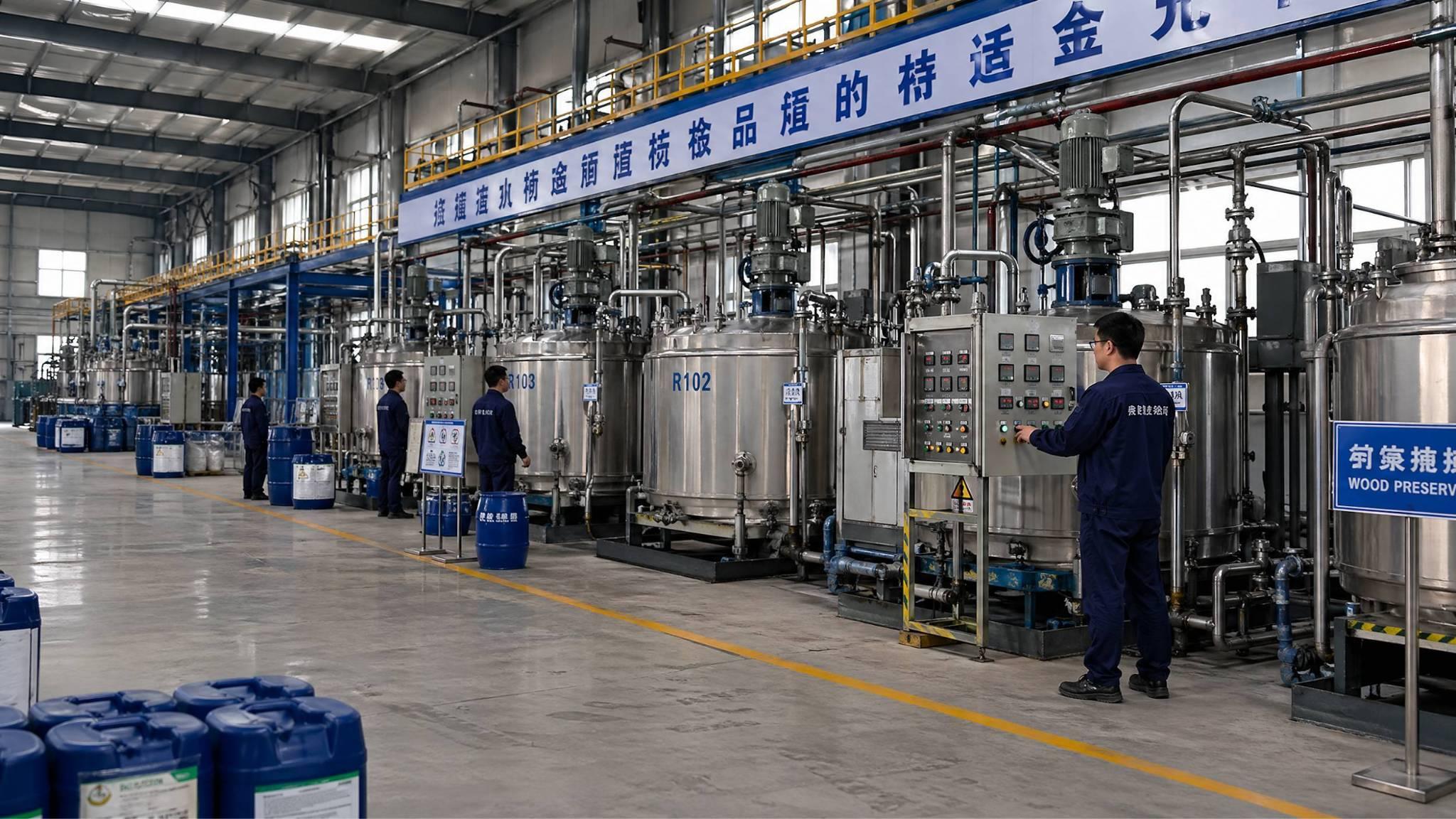 Consistent batch-to-batch quality depends on the manufacturing process behind each shipment, not just the spec sheet.
Ready to Buy Zinc Chloride From a Verified Source?
Contact our team today for a quotation, sample, and delivery timeline.
WhatsApp Us for Free a Consultation
Zinc Chloride in Industrial Applications: See It in Action!
Want to see how zinc chloride is used in a real industrial setting? Check out this short video. It demonstrates its crucial role in the metal treatment process.
Every batch of zinc chloride we ship is backed by the same certification base, regardless of which industry it’s going to.
FAQ
Is zinc chloride used in drilling fluids?
Yes. Zinc chloride is added to drilling fluid systems to help stabilize clay and shale formations and limit swelling that can narrow the wellbore during drilling.
Can zinc chloride be used as a completion fluid?
Zinc chloride can be evaluated as a component in high-density, solids-free completion-fluid systems, sometimes alongside other salts such as calcium bromide. Suitability depends on the required density, formation compatibility, and temperature conditions of the specific well.
Does zinc chloride help with oilfield corrosion?
Yes. Zinc chloride forms a protective film on metal surfaces that reduces contact with corrosive agents like saline water and hydrogen sulfide, which is why it’s used as a corrosion inhibitor in drilling fluids, completion fluids, and refinery cooling water systems.
What grade of zinc chloride does the oil and gas industry use?
Most oilfield applications — drilling fluid, completion brine, emulsion breaking, desulfurization, and corrosion inhibition — use the 95% Industrial Grade. The 98% High Purity grade is only needed if a specific formulation has tighter iron or heavy-metal limits.
How is zinc chloride used to remove sulfur from crude oil?
Zinc chloride plays a role in certain desulfurization processes used to reduce the sulfur content of sour crude oil before it moves further into refining.
What should I check before ordering bulk zinc chloride for an oilfield application?
At minimum: a batch-specific COA with actual (not typical) iron, sulfate, and heavy-metal figures; ISO 9001, SGS, and REACH certification; moisture-resistant packaging; and a sample for your own formulation testing before committing to a full container.
Industrial Buyers: Next Steps for Sourcing Bulk Zinc Chloride
What makes our Zinc Chloride Better:
✅ Compliant with EU, UN, ISO Standards – No Legal Headaches
✅ Guaranteed Purity – Stability for your Processing Plant
✅ Batch-Specific COA Provided – Full Transparency per Shipment.
Download Our EU-approved FREE COA & Specifications. Specifications Page