



In the quest for global food security, the role of micronutrients in modern farming cannot be overstated. Zinc chloride has emerged as a vital component in agricultural chemistry, serving as a highly soluble source of zinc that is essential for plant growth and development. From enhancing enzyme activity to supporting protein synthesis, its impact on crop productivity is significant.
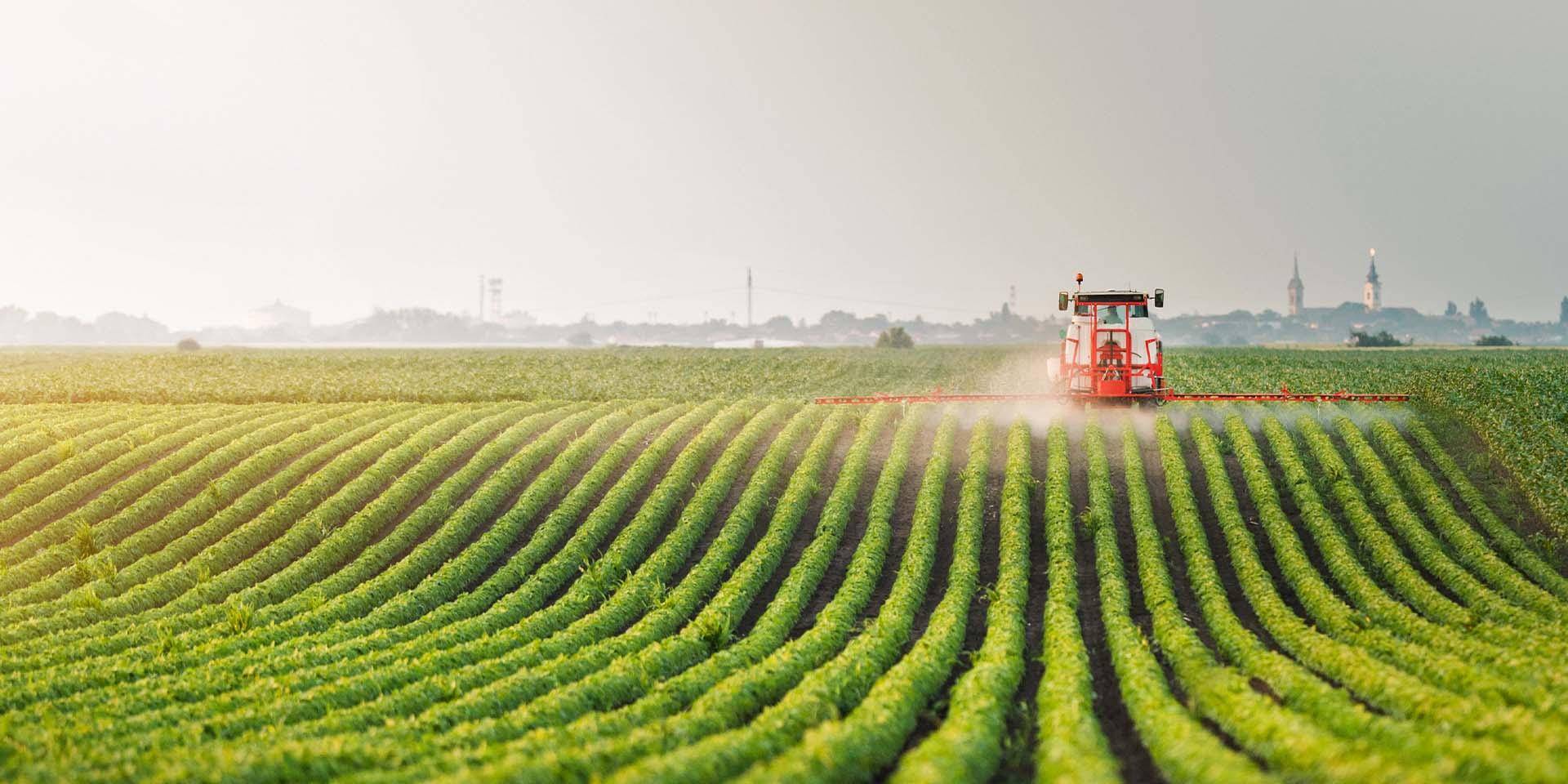
Precision application of zinc chloride-based micronutrient fertilizer in modern agriculture to boost crop yields and correct soil deficiencies.
Understanding the strategic application of Zinc Chloride for Agriculture allows farmers and fertilizer manufacturers to address soil deficiencies effectively. This guide explores how this compound supports healthy plant life and contributes to more resilient agricultural systems.
The Essential Role of Zinc in Plant Physiology
Zinc is one of the eight essential micronutrients required for plant growth. While needed in small quantities, its absence can lead to stunted growth, poor leaf development, and significantly reduced yields. Zinc chloride provides a readily available form of this nutrient that plants can absorb quickly.
Supporting Enzyme and Hormone Production
Zinc is a key cofactor for many enzymes and is directly involved in the synthesis of auxins, which are hormones that regulate plant growth and development. By ensuring adequate zinc levels, farmers can promote better root architecture and more vigorous vegetative growth in their crops.
“Zinc chloride is particularly valued in liquid fertilizer formulations due to its high solubility, allowing for precise nutrient delivery through irrigation systems.”

Chinese agriculture has made significant strides in precision farming, utilizing micronutrients like zinc chloride to optimize crop health while reducing overall fertilizer waste.
Key Benefits of Zinc Chloride for Agriculture
Choosing Zinc Chloride for Agriculture offers several distinct advantages that make it a preferred choice for high-performance fertilizer programs and specialized crop treatments.
1. Rapid Nutrient Absorption
Due to its high solubility in water, zinc chloride is an excellent choice for foliar sprays and fertigation. This allows for the rapid correction of zinc deficiencies during critical growth stages, such as flowering or grain filling, where the plant’s demand for micronutrients is at its peak.
2. Enhanced Seed and Grain Formation
Zinc plays a crucial role in the formation of seeds and grains. Adequate zinc levels during the reproductive phase of the plant lead to better pollination, higher seed counts, and improved grain quality, directly impacting the final market value of the harvest.
3. Improved Stress Tolerance
Plants with optimal zinc levels are better equipped to handle environmental stresses such as drought, high salinity, and extreme temperatures. Zinc chloride helps to stabilize cell membranes and protect the plant from oxidative damage during periods of stress.
Comparison of Zinc Fertilizer Sources
| Fertilizer Type | Solubility | Best Application Method |
| Zinc Chloride | Very High | Foliar Spray & Fertigation |
| Zinc Sulfate | High | Soil Application & Foliar |
| Zinc Oxide | Low | Long-term Soil Amendment |
| Chelated Zinc | High | High-pH Soil Applications |
When choosing an industrial zinc chloride supplier.
Contact our team today for a quotation, sample, and supplier verification checklist.
WhatsApp Us for Free a Consultation
Technical Requirements and Application Methods
For agricultural professionals, the success of a micronutrient program depends on the correct application method and the quality of the chemical used. Zinc Chloride for Agriculture must be managed carefully to avoid over-application.
Managing Soil and Foliar Dosing
Because zinc chloride is highly concentrated, it is typically applied in very small amounts. In foliar applications, it is often diluted to prevent leaf burn, while in soil applications, it may be blended with other liquid fertilizers to ensure even distribution across the field.
Purity and Contaminant Control
High-purity zinc chloride is essential for agricultural use to prevent the introduction of unwanted heavy metals into the soil and food chain. Sourcing from reputable manufacturers ensures that the product meets the stringent safety standards required for modern food production.

The use of drones for the targeted application of zinc chloride solutions allows for high-precision nutrient management, even in difficult-to-reach areas of the field.
Global Sourcing: Connecting with Quality Producers
The global agricultural chemical market is supported by a robust network of manufacturers. Sourcing from established zinc chloride manufacturers by country is vital for ensuring a consistent supply of high-quality micronutrients for large-scale farming operations.
Leading Global Suppliers
- China: A major producer of agricultural-grade zinc chloride, supporting both its massive domestic farming sector and international export markets.
- India: Known for its extensive production of micronutrient fertilizers and focus on improving soil health across the subcontinent.
- United States: Focuses on high-tech liquid fertilizer formulations and innovative delivery systems for precision agriculture.
The Future of Sustainable Micronutrient Use
As the world moves toward more sustainable farming practices, the role of Zinc Chloride for Agriculture is evolving. Researchers are developing new “smart” fertilizers that release zinc more slowly, reducing the risk of leaching and improving nutrient use efficiency.
Integrating with Bio-Stimulants
Recent innovations include the combination of zinc chloride with bio-stimulants and beneficial microbes. These integrated products can further enhance the plant’s ability to absorb and utilize zinc, leading to even higher yields with lower chemical inputs.
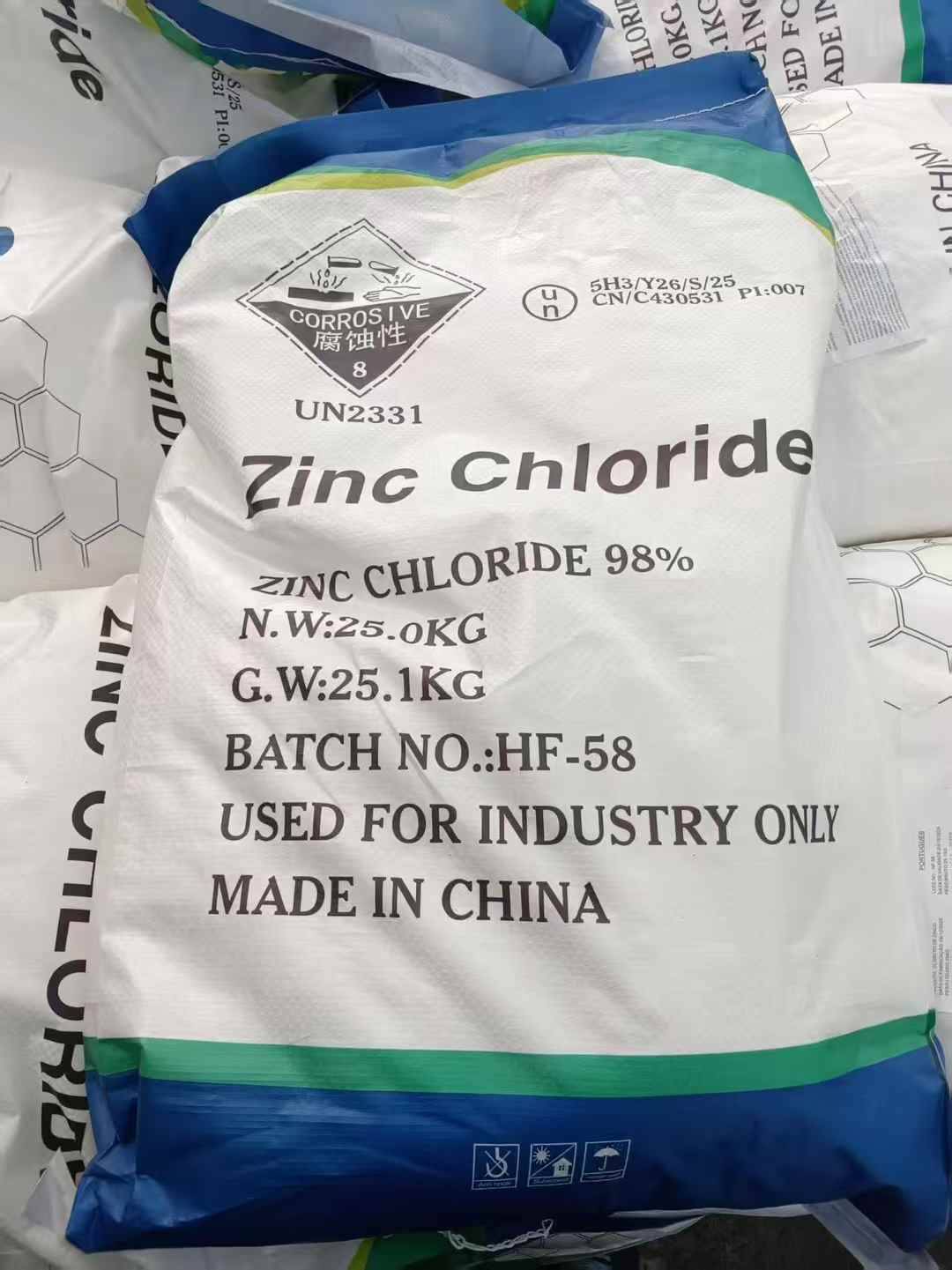
Proper storage and handling of high-purity zinc chloride are essential to maintain its effectiveness as a micronutrient and ensure safety in the agricultural supply chain.
Zinc Chloride in Industrial Applications: See it in Action!
Want to see how zinc chloride is used in a real industrial setting? Check out this short video. It demonstrates its crucial role in the metal treatment process.
Frequently Asked Questions
Q: Can zinc chloride be mixed with other fertilizers?
A: Yes, it is highly compatible with most liquid fertilizers, but it should not be mixed directly with concentrated orthophosphate solutions, as this can cause precipitation.
Q: How do I know if my crops need zinc?
A: Common signs of zinc deficiency include “little leaf” syndrome, interveinal chlorosis (yellowing between leaf veins), and stunted growth. Soil and tissue testing are the most reliable ways to confirm a deficiency.
Q: Is zinc chloride safe for the environment?
A: When used at the recommended agricultural rates, it is safe and beneficial. However, like all fertilizers, it should be managed carefully to prevent runoff into water bodies.
Conclusion: Nourishing the Future of Farming
The strategic use of Zinc Chloride for Agriculture is a cornerstone of modern nutrient management. By providing a reliable and highly available source of zinc, it ensures that crops have the essential tools they need to reach their full genetic potential.
Whether you are a large-scale commercial grower or a specialized fertilizer formulator, understanding the impact of zinc chloride on plant health is the key to cultivating more productive and resilient agricultural systems for the future.
Industrial Buyers: Next Steps for Sourcing Bulk Zinc Chloride
Why Buyers Choose Us During Volatile Zinc Chloride Price Trends:
✅ Compliant with EU, UN, ISO Standards – No Legal Headaches
✅ Guaranteed Purity – Stability for your Processing Plant
✅ Batch-Specific COA Provided – Full Transparency per Shipment.
Download Our EU-approved FREE COA & Specifications.[Specifications Page]