



Have you ever wondered how to give your wooden structures a fighting chance against the elements? Wood, while beautiful and versatile, is constantly under attack from decay, insects, and even fire. But what if there was a way to significantly extend its lifespan and enhance its resilience? That’s where zinc chloride for wood treatment comes into play.

Our expert engineers ensure every batch of treated timber meets the highest industrial standards for durability.
This powerful chemical compound offers a robust solution for preserving timber, ensuring your investments stand strong for years to come. We’re going to dive deep into how zinc chloride works, its incredible benefits, and why it’s a go-to choice for lasting wood protection.
Understanding Zinc Chloride: A Wood’s Best Friend
Zinc chloride (ZnCl₂) is an inorganic chemical compound renowned for its versatility across various industries. But when it comes to wood, it transforms into a formidable guardian. It’s highly soluble in water, which makes it incredibly effective for impregnating timber and delivering its protective properties deep into the wood fibers.
What Makes Zinc Chloride So Effective?
Its chemical structure allows it to interact with wood components, creating an environment hostile to common threats. Think of it as building an invisible shield around each wood fiber, making it less appealing to destructive forces. This isn’t just about surface-level protection; it’s about deep, intrinsic resistance.
The Unbeatable Benefits of Zinc Chloride in Wood Preservation
When you choose zinc chloride for wood treatment, you’re not just applying a chemical; you’re investing in long-term durability and peace of mind. The advantages are clear and impactful, addressing some of the biggest challenges wood faces.

We use only high-purity 98% zinc chloride to ensure maximum penetration and protection for your wood products.
Comprehensive Protection Against Decay and Pests
One of the primary roles of zinc chloride is its ability to ward off biological threats. It acts as a potent biocide, inhibiting the growth of fungi and bacteria that cause rot and decay. Moreover, it makes the wood unpalatable and toxic to wood-boring insects like termites, effectively safeguarding your timber from their destructive appetites.
- Fungal Resistance: Prevents the proliferation of wood-destroying fungi.
- Bacterial Inhibition: Stops bacterial degradation of wood fibers.
- Insect Repellence: Deters and eliminates wood-boring insects, including termites.
Enhancing Fire Retardancy
Beyond preservation, zinc chloride also offers significant fire-retardant properties. When applied at higher concentrations, it helps to reduce the flammability of wood, slowing down the spread of flames and providing crucial extra time in emergency situations. This dual action makes it an invaluable treatment for structural wood components where safety is paramount.
Improving Dimensional Stability
Wood naturally absorbs and releases moisture, leading to swelling, shrinking, and warping. Zinc chloride treatment can help mitigate these issues. It reduces the wood’s hygroscopicity – its tendency to absorb moisture from the air – thereby improving its dimensional stability. This means less cracking, less warping, and a longer service life for your wooden assets.

Our state-of-the-art factory utilizes advanced technology to produce consistent, high-quality wood treatment solutions.
Applications of Zinc Chloride Wood Treatment
Zinc chloride’s versatility means it finds its place in a wide array of applications where wood protection is essential. From residential construction to heavy-duty industrial uses, its benefits are widely recognized.
Common Uses in Construction and Beyond
- Structural Timber: Beams, joists, and other load-bearing elements benefit immensely from treatment, ensuring the structural integrity of buildings.
- Fencing and Decking: Outdoor structures exposed to weather and ground contact are prime candidates for zinc chloride treatment to prevent premature decay.
- Utility Poles: Protecting utility poles from rot and insect damage is critical for maintaining infrastructure.
- Plywood and Engineered Wood Products: Incorporating zinc chloride during manufacturing enhances the durability of these materials.
For more detailed insights into the diverse applications of this chemical, you can visit our dedicated Zinc Chloride application page.
The Treatment Process: How Zinc Chloride Protects Wood
Applying zinc chloride effectively is key to maximizing its protective qualities. While various methods exist, the goal is always to ensure deep and even penetration of the chemical into the wood.
Key Application Methods
- Pressure Treatment: This is the most effective method, where wood is placed in a sealed cylinder, and the zinc chloride solution is forced into the wood under high pressure. This ensures maximum penetration and retention of the preservative.
- Steeping Process: For smaller timber or less critical applications, wood can be steeped (immersed) in a zinc chloride solution for an extended period. While simpler, it offers less penetration than pressure treatment.
- Brush or Spray Application: Primarily used for surface protection or remedial treatments, this method provides the least penetration and is generally not recommended for long-term structural protection.
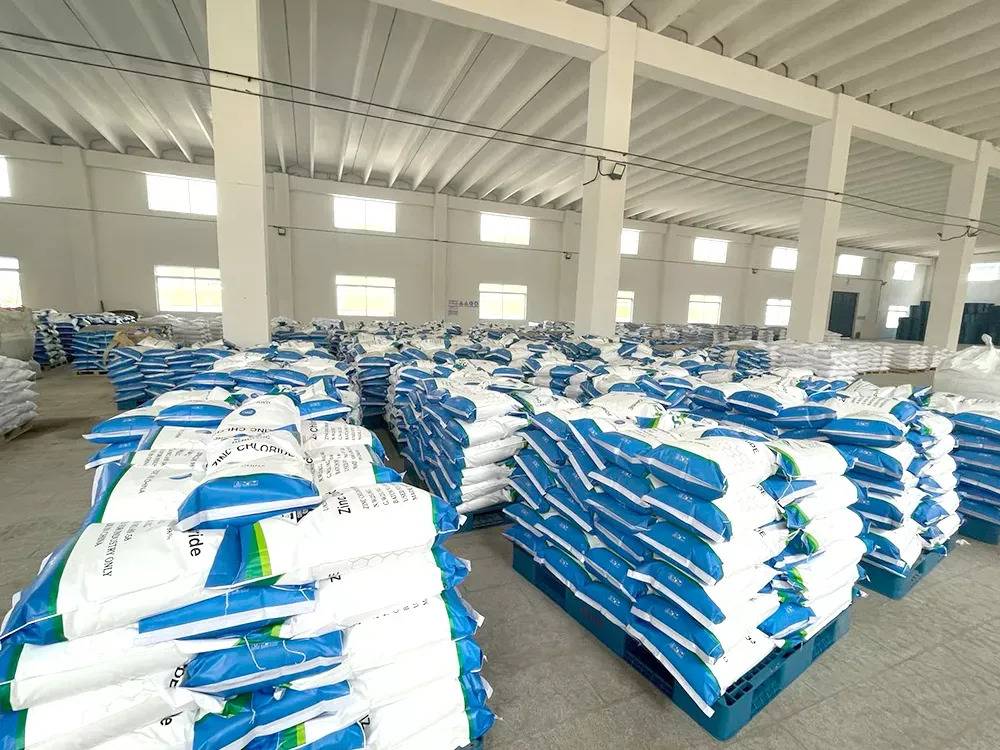
Our moisture-resistant packaging ensures that your zinc chloride arrives in perfect condition for immediate use.
The Role of Purity and Quality
The effectiveness of any wood treatment hinges on the quality of the chemicals used. High-purity zinc chloride ensures that the treatment performs as expected, without unwanted side reactions or reduced efficacy due to impurities. This is why sourcing from reliable manufacturers is crucial. You can learn more about our commitment to quality and specifications on our Zinc Chloride Specifications Page.
Technical Insights: Properties of Zinc Chloride
For those who appreciate the science behind the protection, understanding the technical properties of zinc chloride sheds light on its efficacy.
Key Technical Properties
Zinc chloride’s unique characteristics make it ideal for wood treatment. Here’s a quick overview:
| Property | Value |
| Chemical Formula | ZnCl₂ |
| CAS Number | 7646-85-7 |
| Melting Point | 283°C (approx.) |
| Density | ~2.9 g/cm³ |
| Solubility | Highly soluble in water |
| Nature | Hygroscopic, Lewis Acid |
Its hygroscopic nature means it readily absorbs moisture, which can be a factor in its application and storage. Its strong Lewis acid behavior contributes to its reactivity and effectiveness as a preservative.
When choosing an industrial zinc chloride supplier.
Contact our team today for a quotation, sample, and supplier verification checklist.
WhatsApp Us for Free a Consultation
Safety and Handling: A Responsible Approach
While zinc chloride is a powerful protective agent, it’s essential to handle it with care. Safety protocols are paramount to ensure the well-being of workers and the environment.

We maintain a robust global shipping network to deliver wood treatment solutions to clients worldwide.
Best Practices for Safe Use
- Personal Protective Equipment (PPE): Always use gloves, eye protection, and respiratory masks when handling zinc chloride.
- Ventilation: Ensure adequate ventilation in treatment areas to prevent inhalation of dust or fumes.
- Storage: Store in a cool, dry, well-ventilated area, away from incompatible materials.
- Disposal: Follow local regulations for the disposal of zinc chloride waste and treated wood.
Responsible handling not only protects individuals but also ensures the longevity and effectiveness of the treatment process. For comprehensive safety guidelines, always refer to the product’s Safety Data Sheet (SDS), such as those provided by regulatory bodies like OSHA.
Why Choose Zinc Chloride for Your Wood Treatment Needs?
In a world where sustainability and durability are increasingly important, selecting the right wood treatment is a critical decision. Zinc chloride offers a compelling combination of effectiveness, versatility, and proven performance.
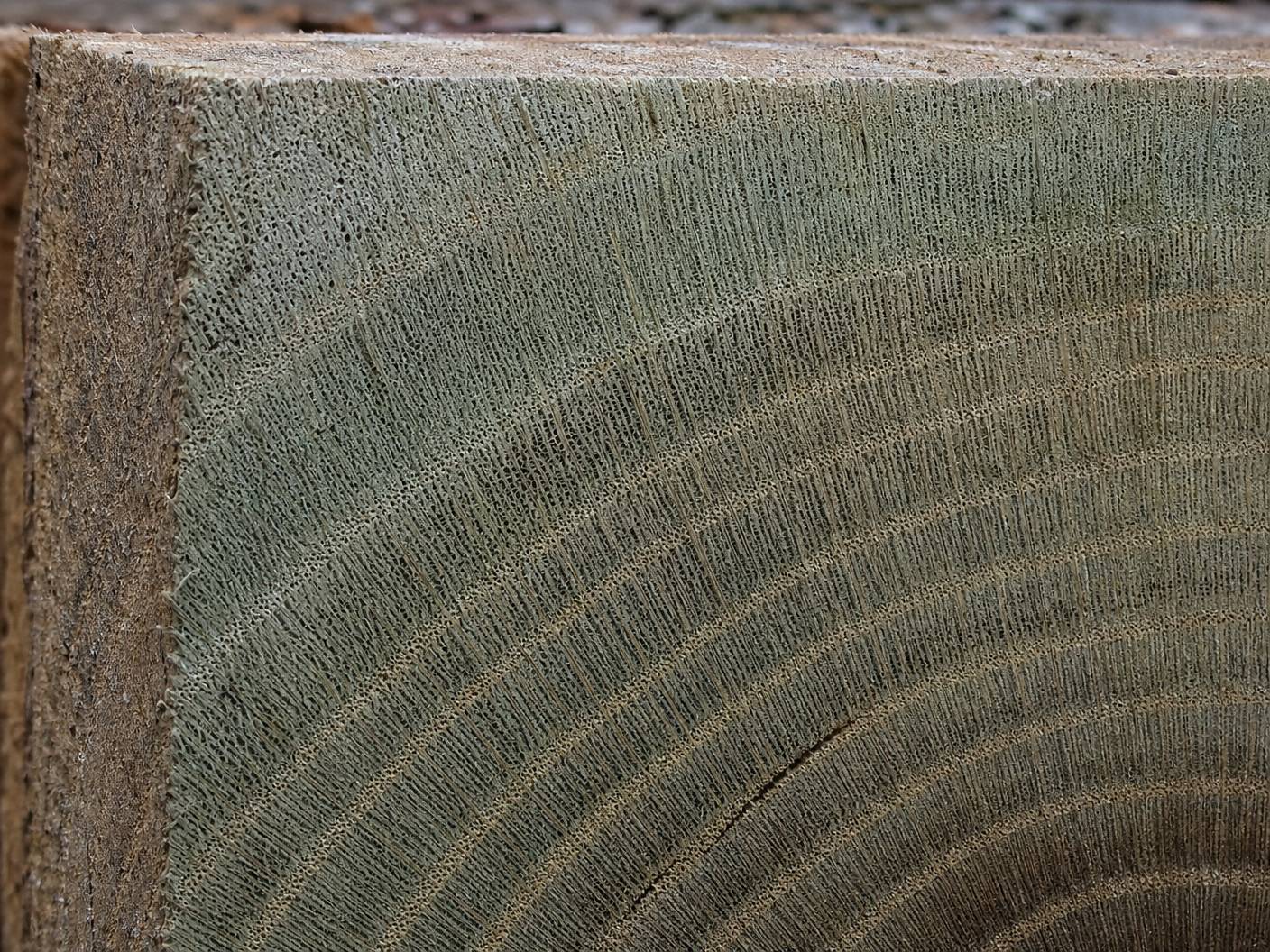
Proper treatment ensures the chemical reaches the core of the timber, providing total protection from the inside out.
Long-Term Value and Sustainability
By significantly extending the life of wood, zinc chloride treatment contributes to sustainability by reducing the need for frequent replacements. This means less timber harvesting and a smaller environmental footprint. It’s an investment that pays dividends in both durability and ecological responsibility.
Proven Track Record
Zinc chloride has been used in wood preservation for many years, with a well-established history of effectiveness. Its ability to protect against a broad spectrum of threats makes it a reliable choice for various applications, from residential decks to industrial timber.
Zinc Chloride in Industrial Applications: See it in Action!
Want to see how zinc chloride is used in a real industrial setting? Check out this short video. It demonstrates its crucial role in the metal treatment process.
Frequently Asked Questions (FAQs)
Q1: How does zinc chloride compare to other wood preservatives?
Zinc chloride stands out for its dual action as both a preservative and a fire retardant. While other preservatives might excel in one area, zinc chloride offers a balanced approach, making it a versatile and cost-effective option for many applications.
Q2: Is zinc chloride-treated wood safe for outdoor use?
Yes, zinc chloride-treated wood is commonly used for outdoor applications like fencing and decking. However, it’s important to note that in environments with constant moisture or ground contact, some leaching can occur over time. Proper application and maintenance are key to maximizing its effectiveness.
Q3: Can I apply zinc chloride treatment myself?
While surface applications can be done by experienced individuals, for deep and lasting protection, professional pressure treatment is highly recommended. This ensures the chemical penetrates adequately for optimal results and safety.
Conclusion: Secure Your Wood’s Future with Zinc Chloride
Choosing zinc chloride for wood treatment is a proactive step towards ensuring the longevity and safety of your wooden structures. It’s a proven solution that offers comprehensive protection against decay, insects, and fire, all while contributing to the dimensional stability of your timber.
By understanding its benefits, applications, and proper handling, you can make informed decisions that safeguard your investments and promote sustainable practices. Don’t let your valuable wood succumb to the elements; empower it with the lasting protection of zinc chloride.
Industrial Buyers: Next Steps for Sourcing Bulk Zinc Chloride
Why Buyers Choose Us During Volatile Zinc Chloride Price Trends:
✅ Compliant with EU, UN, ISO Standards – No Legal Headaches
✅ Guaranteed Purity – Stability for your Processing Plant
✅ Batch-Specific COA Provided – Full Transparency per Shipment.
Download Our EU-approved FREE COA & Specifications.[Specifications Page]