



In the global textile industry, achieving vibrant colors and durable finishes requires a sophisticated blend of chemistry and craftsmanship. Zinc chloride has long been a cornerstone of this process, serving as a versatile agent that enhances everything from dye uptake to fabric stability. Whether used as a mordant or a sizing agent, its impact on the final quality of the textile is profound.
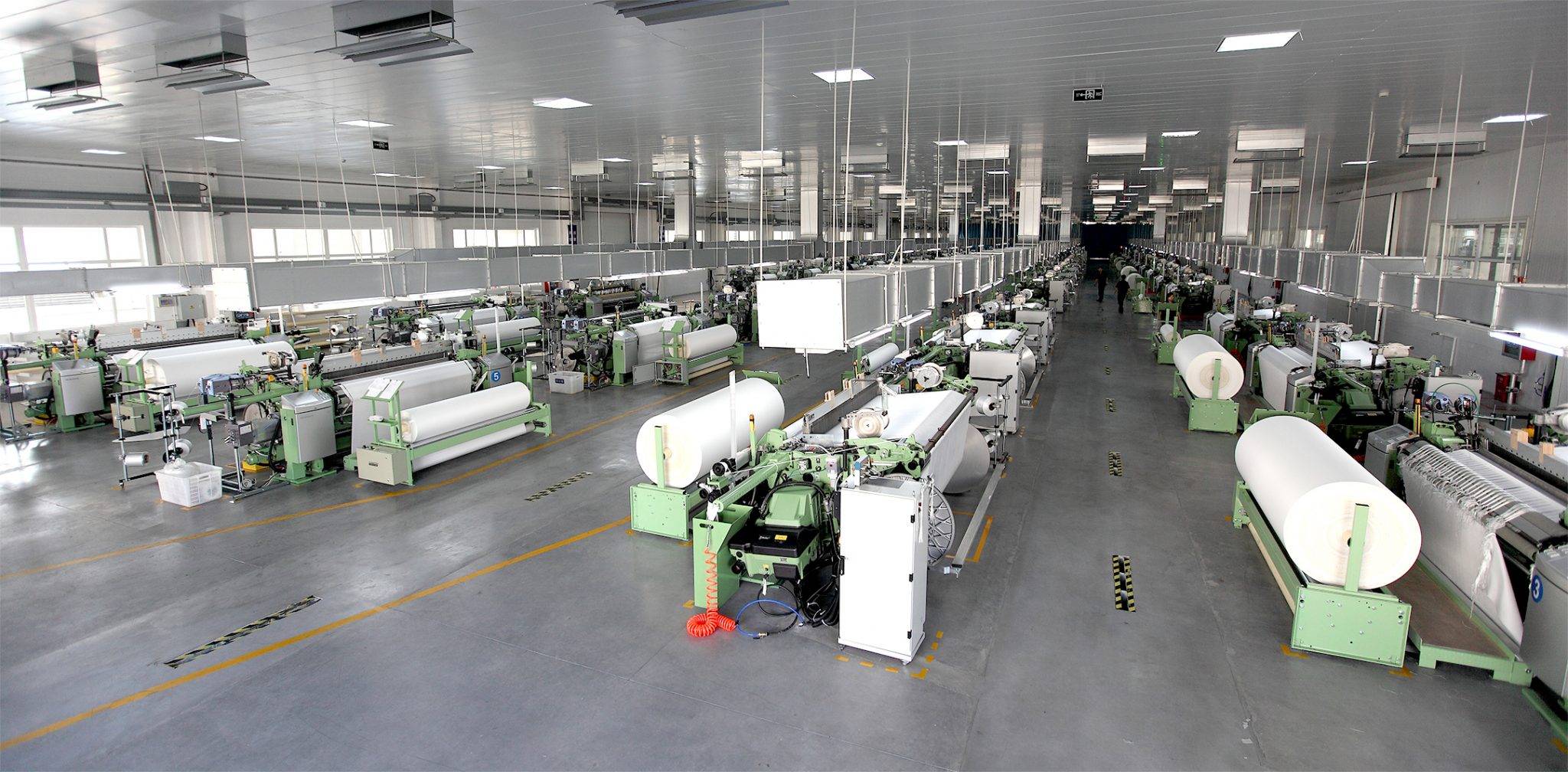
Large-scale textile production facility where zinc chloride is used as a mordant and processing agent for dyeing and fabric finishing.
Understanding the strategic application of Zinc Chloride in Textile Processing allows manufacturers to produce high-quality fabrics that meet the rigorous demands of modern fashion and industrial use. This guide explores the multifaceted roles of this compound in the textile supply chain.
The Role of Zinc Chloride as a Textile Mordant
One of the primary challenges in textile manufacturing is ensuring that dyes bind effectively to the fibers. Zinc chloride acts as a powerful mordant, a substance that forms a chemical bridge between the dye molecules and the fabric fibers, ensuring long-lasting color.
Improving Dye Uptake and Stability
When fabrics are pretreated with a zinc chloride solution, the compound creates a receptive surface that allows dyes to penetrate deeper and bond more securely. This results in more vibrant colors that are resistant to fading, even after multiple washes or exposure to sunlight.
“The use of zinc chloride as a mordant is particularly effective for natural fibers like cotton, where it significantly improves the fixation rate of various dye types.”
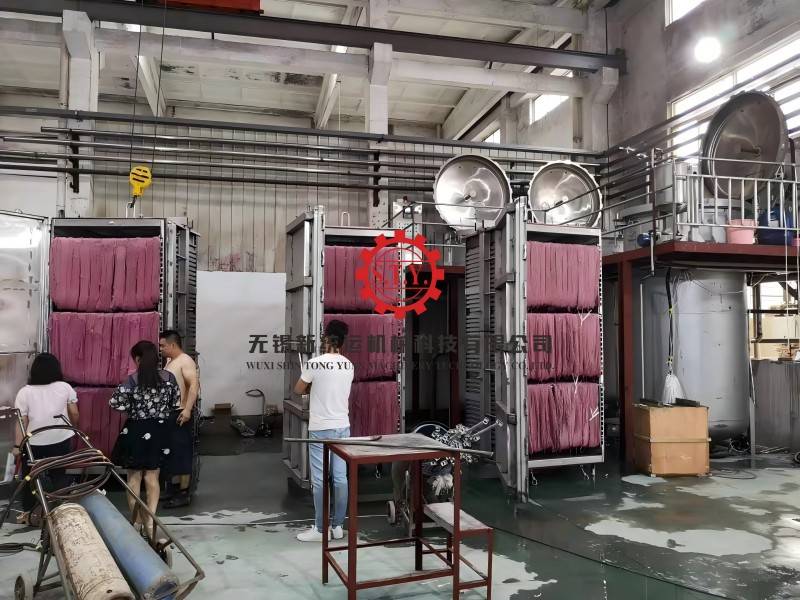
Modern textile factories utilize automated dyeing machines to precisely apply zinc chloride solutions, ensuring consistent color quality across large production runs.
Key Applications of Zinc Chloride in Textiles
Beyond its role as a mordant, Zinc Chloride in Textile Processing is utilized in several other critical stages of fabric manufacturing, each contributing to the final performance of the material.
1. Sizing and Mercerizing Agent
Zinc chloride is often used as a sizing agent to strengthen yarns before weaving, reducing breakage and improving the efficiency of the looms. In mercerization, it helps to swell the fibers, giving the fabric a lustrous appearance and increasing its affinity for dyes.
2. Catalyst for Fabric Finishing
In the production of wrinkle-resistant and flame-retardant finishes, zinc chloride acts as a catalyst. It facilitates the cross-linking of resins within the fabric fibers, ensuring that the treatment remains effective throughout the life of the garment.
3. Antibacterial and Protective Treatments
Recent innovations have seen zinc chloride used in the development of antibacterial textiles. By integrating zinc ions into the fabric, manufacturers can create materials that inhibit the growth of odor-causing bacteria, making them ideal for sportswear and medical textiles.
Comparison of Textile Processing Agents
| Agent Type | Primary Function | Common Application |
| Zinc Chloride | Mordant & Catalyst | Dyeing & Resin Finishing |
| Alum | Mordant | Traditional Natural Dyeing |
| Starch | Sizing Agent | Standard Yarn Strengthening |
| Silicone | Softening Agent | Final Fabric Finishing |
When choosing an industrial zinc chloride supplier.
Contact our team today for a quotation, sample, and supplier verification checklist.
WhatsApp Us for Free a Consultation
Technical Requirements for Textile-Grade Zinc Chloride
For textile manufacturers, the purity of the chemicals used is paramount. Impurities in Zinc Chloride in Textile Processing can lead to uneven dyeing, fabric degradation, or unwanted chemical reactions during finishing.
Managing Purity and Consistency
High-quality textile-grade zinc chloride must be free from heavy metal contaminants like iron, which can cause staining or alter the final shade of the dye. Manufacturers must source their chemicals from reliable suppliers who can guarantee consistent purity levels across every batch.
Environmental and Safety Standards
As the textile industry moves toward more sustainable practices, the handling and disposal of zinc chloride are strictly regulated. Modern facilities utilize closed-loop systems to capture and reuse chemical solutions, minimizing their environmental footprint while maintaining high production standards.
China’s textile industry leads the world in adopting automated systems that integrate chemical treatments like zinc chloride dosing for high-efficiency production.
Global Sourcing: Finding Quality Chemical Partners
The global textile supply chain relies on a steady supply of high-quality chemicals. Sourcing from established zinc chloride manufacturers by country is vital for maintaining production consistency and meeting international quality standards.
Leading Production Hubs
- China: The world’s largest producer of both textiles and textile chemicals, offering a vast range of zinc chloride grades for every stage of processing.
- India: A major hub for textile manufacturing, with a growing focus on high-purity chemical catalysts and mordants.
- Vietnam: Rapidly emerging as a key player in the global textile market, supported by a robust supply of imported and locally produced chemicals.
The Future of Zinc in Sustainable Textiles
As consumer demand for eco-friendly products grows, the role of Zinc Chloride in Textile Processing is evolving. Researchers are exploring new ways to use zinc-based compounds in biodegradable finishes and more efficient dyeing processes that require less water and energy.
Innovation in Bio-Based Textiles
Zinc chloride is being investigated for its potential in processing bio-based fibers, where it can help to stabilize the material and improve its durability. These advancements ensure that zinc remains a vital component of the textile industry’s journey toward a more sustainable future.
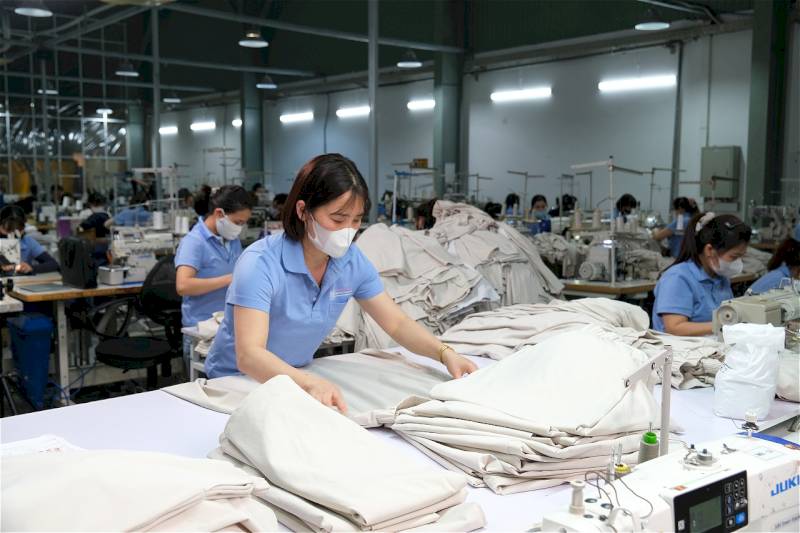
Rigorous manual and automated inspections ensure that the chemical treatments applied during processing meet the high standards required for global export.
Zinc Chloride in Industrial Applications: See it in Action!
Want to see how zinc chloride is used in a real industrial setting? Check out this short video. It demonstrates its crucial role in the metal treatment process.
Frequently Asked Questions
Q: Can zinc chloride be used with all types of dyes?
A: While highly versatile, it is most commonly used with direct, acid, and reactive dyes on natural fibers like cotton and wool.
Q: Is zinc chloride safe for skin-contact textiles?
A: Yes, when used correctly in the manufacturing process and followed by proper rinsing and finishing, it is safe for use in clothing and other skin-contact materials.
Q: How does zinc chloride affect fabric “hand” or feel?
A: When used as a sizing or mercerizing agent, it can improve the smoothness and luster of the fabric, although final softening agents are often used to achieve the desired “hand.”
Conclusion: The Foundation of Quality Textiles
The success of the modern textile industry is built on a foundation of precise chemical engineering. Zinc Chloride in Textile Processing provides the essential tools needed to create fabrics that are vibrant, durable, and functional.
Whether you are a large-scale manufacturer or a specialized boutique producer, understanding the impact of zinc chloride on your processing workflow is the key to delivering superior textile products to the global market.
Industrial Buyers: Next Steps for Sourcing Bulk Zinc Chloride
Why Buyers Choose Us During Volatile Zinc Chloride Price Trends:
✅ Compliant with EU, UN, ISO Standards – No Legal Headaches
✅ Guaranteed Purity – Stability for your Processing Plant
✅ Batch-Specific COA Provided – Full Transparency per Shipment.
Download Our EU-approved FREE COA & Specifications.[Specifications Page]