



In the intricate world of organic chemistry, the efficiency of a reaction often hinges on the choice of the right catalyst. Zinc chloride has long been recognized as a powerful and versatile Lewis acid catalyst, playing a fundamental role in accelerating a wide array of chemical transformations. From the production of specialized resins to the synthesis of complex pharmaceutical intermediates, its impact is felt across multiple industrial sectors.
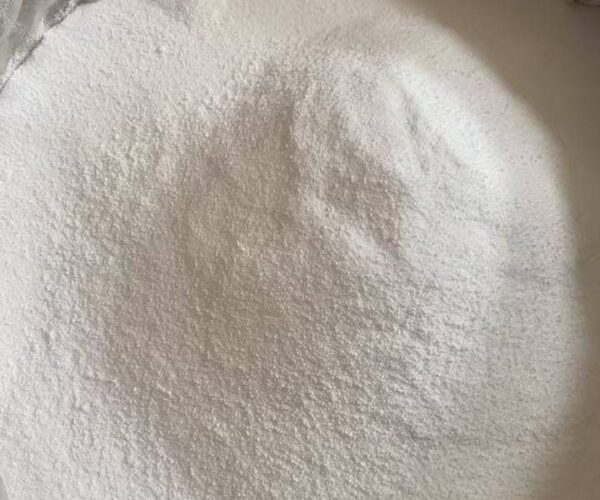
High-purity zinc chloride powder used as a Lewis acid catalyst in chemical synthesis and resin production.
Understanding the unique properties of Zinc Chloride as a Catalyst is essential for researchers and manufacturers aiming to optimize their synthetic pathways and improve product yields. This guide explores the mechanisms and applications that make this compound a staple in modern chemical laboratories.
The Mechanism of Zinc Chloride as a Lewis Acid
At its core, the catalytic power of zinc chloride stems from its behavior as a strong Lewis acid. This means it has a high affinity for electron pairs, allowing it to coordinate with and activate various functional groups within a molecule.
Activating Substrates for Reaction
By coordinating with oxygen, nitrogen, or sulfur atoms, zinc chloride can polarize chemical bonds, making them more susceptible to nucleophilic attack. This activation lowers the energy barrier of the reaction, allowing it to proceed faster and often under milder conditions than would otherwise be possible.
“Zinc chloride‘s ability to readily accept electron pairs makes it an indispensable tool for activating substrates in Friedel-Crafts reactions and other critical organic transformations.”
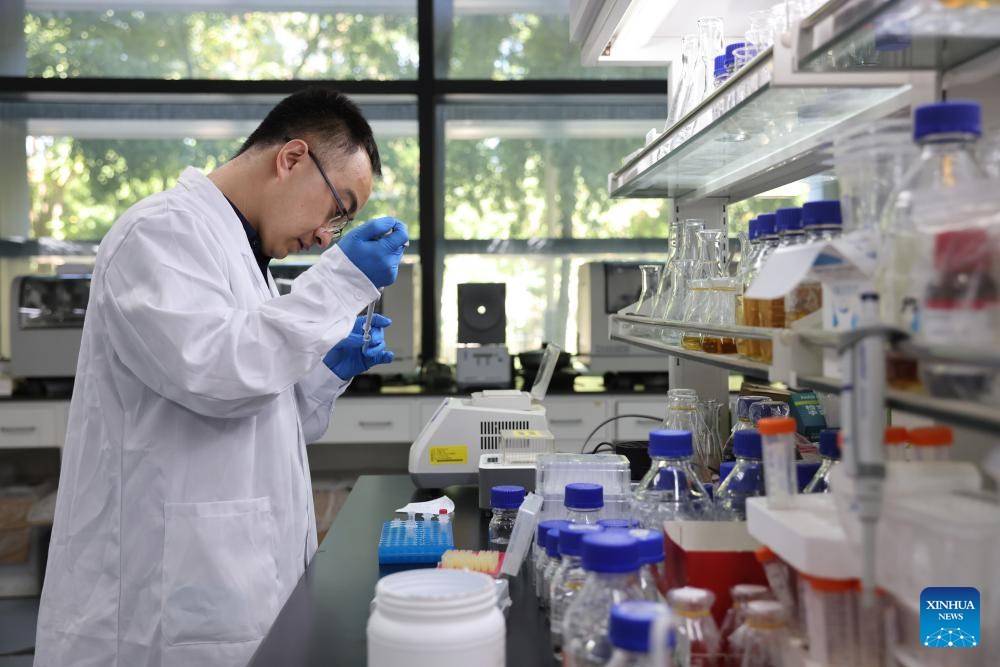
Chinese research institutions are at the forefront of developing new synthetic protocols that utilize zinc chloride as a high-efficiency catalyst for sustainable chemistry.
Key Industrial Applications of Zinc Chloride Catalysts
The versatility of Zinc Chloride as a Catalyst is best demonstrated by its wide range of applications in both large-scale industrial manufacturing and specialized laboratory synthesis.
1. Resin and Polymer Production
Zinc chloride is frequently used as a catalyst in the production of various resins, including phenolic and amino resins. It helps control the polymerization process, ensuring the final product has the desired molecular weight and physical properties for use in adhesives, coatings, and molded parts.
2. Friedel-Crafts Alkylation and Acylation
In the synthesis of aromatic compounds, zinc chloride serves as an effective catalyst for Friedel-Crafts reactions. It facilitates the attachment of alkyl or acyl groups to benzene rings, a fundamental step in the production of many industrial chemicals and intermediates.
3. Synthesis of Heterocyclic Compounds
Many pharmaceutical and agrochemical products contain heterocyclic rings. Zinc chloride is often employed as a catalyst in the synthesis of these complex structures, such as quinolines and thiazoles, due to its ability to promote cyclization reactions with high selectivity.
Comparison of Catalytic Roles
| Reaction Type | Role of Zinc Chloride | Common End Product |
| Polymerization | Controls cross-linking | Industrial resins & adhesives |
| Alkylation | Activates alkyl halides | Specialized aromatic solvents |
| Dehydration | Promotes water removal | Synthetic intermediates |
| Cyclization | Facilitates ring closure | Pharmaceutical compounds |
When choosing an industrial zinc chloride supplier.
Contact our team today for a quotation, sample, and supplier verification checklist.
WhatsApp Us for Free a Consultation
Technical Advantages of Using Zinc Chloride
Beyond its chemical reactivity, Zinc Chloride as a Catalyst offers several practical advantages that make it a preferred choice for many industrial processes.
Cost-Effectiveness and Availability
Compared to more exotic or precious metal catalysts, zinc chloride is relatively inexpensive and widely available. This makes it an attractive option for large-scale manufacturing where catalyst costs can significantly impact the overall economics of the process.
Ease of Handling and Recovery
Zinc chloride is stable and can be easily handled in both its anhydrous and solution forms. In many processes, it can also be recovered and recycled from the reaction mixture, further reducing waste and operational costs.
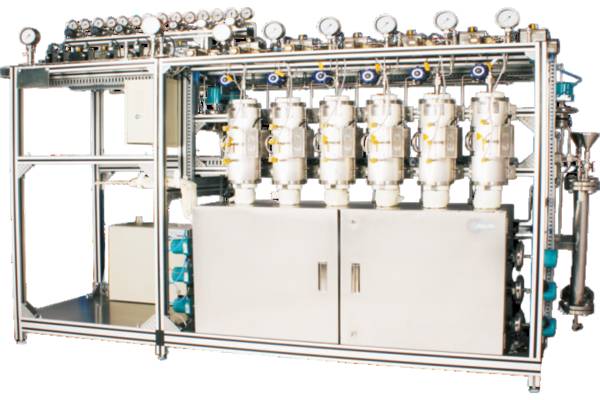
Large-scale industrial reactors utilize zinc chloride catalysts to drive high-volume chemical transformations with precision and efficiency.
Global Sourcing: Ensuring Catalyst Quality
The performance of a catalyst is highly dependent on its purity. Sourcing from reputable zinc chloride manufacturers by country is crucial to ensure that your catalyst is free from impurities that could poison the reaction or lead to unwanted byproducts.
Leading Global Suppliers
- China: Offers a vast production capacity for all grades of zinc chloride, from industrial to high-purity catalyst grades.
- Germany: Renowned for producing ultra-high purity zinc chloride solutions preferred for sensitive pharmaceutical syntheses.
- India: A growing hub for the production of specialized chemical catalysts, supporting the global demand for high-quality synthetic reagents.
The Future of Zinc-Based Catalysis
As the chemical industry moves toward “green chemistry” principles, the role of Zinc Chloride as a Catalyst is being re-evaluated. Researchers are developing new ways to use zinc chloride in more sustainable solvents and at lower concentrations to minimize environmental impact.
Sustainable Synthetic Pathways
Recent innovations include the use of zinc chloride in ionic liquids and deep eutectic solvents, which can improve catalyst stability and facilitate easier separation from the final product. These advancements ensure that zinc chloride remains a relevant and powerful tool for the next generation of chemical engineers.
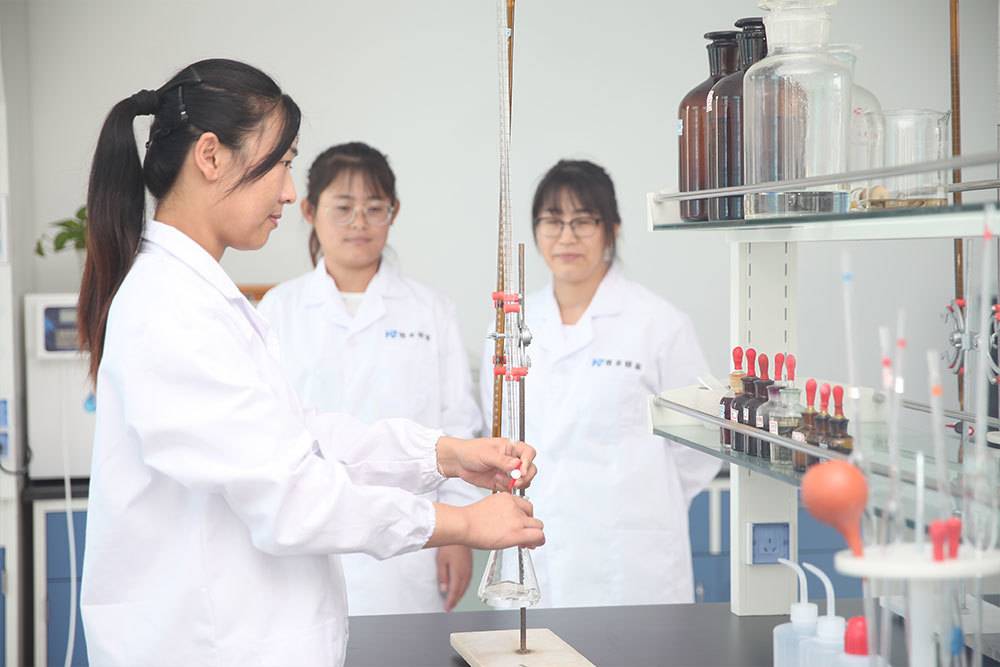
Rigorous quality control testing ensures that the zinc chloride used in catalytic processes meets the exact purity specifications required for high-yield reactions.
Zinc Chloride in Industrial Applications: See it in Action!
Want to see how zinc chloride is used in a real industrial setting? Check out this short video. It demonstrates its crucial role in the metal treatment process.
Frequently Asked Questions
Q: Is zinc chloride a homogeneous or heterogeneous catalyst?
A: It can be both. In many organic reactions, it is used as a homogeneous catalyst dissolved in the reaction medium. However, it can also be supported on materials like silica to act as a heterogeneous catalyst.
Q: Can zinc chloride be used in water-sensitive reactions?
A: Yes, but anhydrous zinc chloride must be used. Because it is highly hygroscopic, it must be handled and stored under dry conditions to maintain its catalytic activity.
Q: What are the safety considerations for using zinc chloride as a catalyst?
A: Zinc chloride is corrosive and can cause skin and eye irritation. Proper personal protective equipment (PPE) and handling procedures in a well-ventilated area are essential.
Conclusion: Driving Chemical Innovation
The role of Zinc Chloride as a Catalyst is a testament to the enduring importance of fundamental Lewis acid chemistry in modern industry. By providing a reliable and efficient means of accelerating complex reactions, it continues to drive innovation in everything from material science to life-saving medicines.
Whether you are optimizing a large-scale industrial process or exploring new synthetic frontiers in the lab, the strategic use of zinc chloride can be the key to achieving your chemical goals with precision and efficiency.
Industrial Buyers: Next Steps for Sourcing Bulk Zinc Chloride
Why Buyers Choose Us During Volatile Zinc Chloride Price Trends:
✅ Compliant with EU, UN, ISO Standards – No Legal Headaches
✅ Guaranteed Purity – Stability for your Processing Plant
✅ Batch-Specific COA Provided – Full Transparency per Shipment.
Download Our EU-approved FREE COA & Specifications.[Specifications Page]