



In the landscape of portable energy, the demand for reliable and cost-effective power sources is ever-growing. Zinc chloride plays a pivotal role in this sector, serving as a primary electrolyte component in “heavy-duty” dry cell batteries. Unlike standard carbon-zinc cells, these batteries utilize a more concentrated zinc chloride solution to deliver higher performance and longer life.
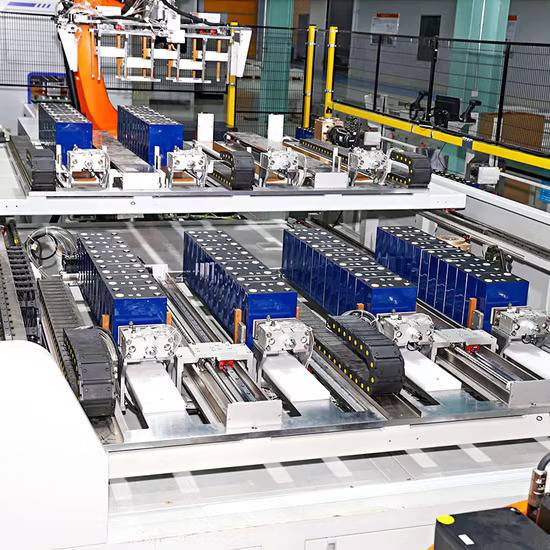
High-speed automated production of heavy-duty zinc chloride batteries in a modern manufacturing facility.
Understanding the technical advantages of Zinc Chloride for Batteries is essential for manufacturers and industrial buyers looking to optimize their energy storage solutions. This guide explores how this chemical compound enhances battery efficiency and powers our daily devices.
The Science Behind Zinc Chloride Electrolytes
The electrolyte is the “heart” of any battery, facilitating the movement of ions between the anode and the cathode. In heavy-duty batteries, zinc chloride is the dominant salt in the electrolyte paste, providing superior ionic conductivity compared to traditional ammonium chloride blends.
Why Zinc Chloride Outperforms Standard Cells
Heavy-duty batteries are often labeled as “Zinc Chloride” batteries because they eliminate or significantly reduce ammonium chloride. This change allows the battery to handle higher current drains and operate more effectively in continuous-use applications, such as motorized toys or portable radios.
“The use of high-purity zinc chloride in dry cells minimizes internal resistance, allowing for a more stable voltage discharge throughout the battery’s lifespan.”

China leads the global market in battery production, utilizing advanced automation to integrate high-purity zinc chloride into millions of dry cells daily.
Key Advantages of Zinc Chloride for Batteries
Choosing Zinc Chloride for Batteries offers several distinct benefits that make it the preferred choice for “heavy-duty” consumer electronics and industrial applications.
1. Enhanced Energy Density
Zinc chloride electrolytes allow for a denser packing of active materials within the battery cell. This results in a higher energy capacity for the same physical size, providing users with more “bang for their buck” in low-to-medium drain devices.
2. Improved Leak Resistance
One of the historical challenges with dry cells was leakage. Modern zinc chloride formulations are designed to be more stable, reducing the risk of the electrolyte corroding the outer casing and damaging the device it powers.
3. Better Low-Temperature Performance
Zinc chloride batteries maintain their voltage more reliably in colder environments than standard carbon-zinc cells. This makes them a dependable choice for outdoor equipment or devices stored in unheated warehouses.
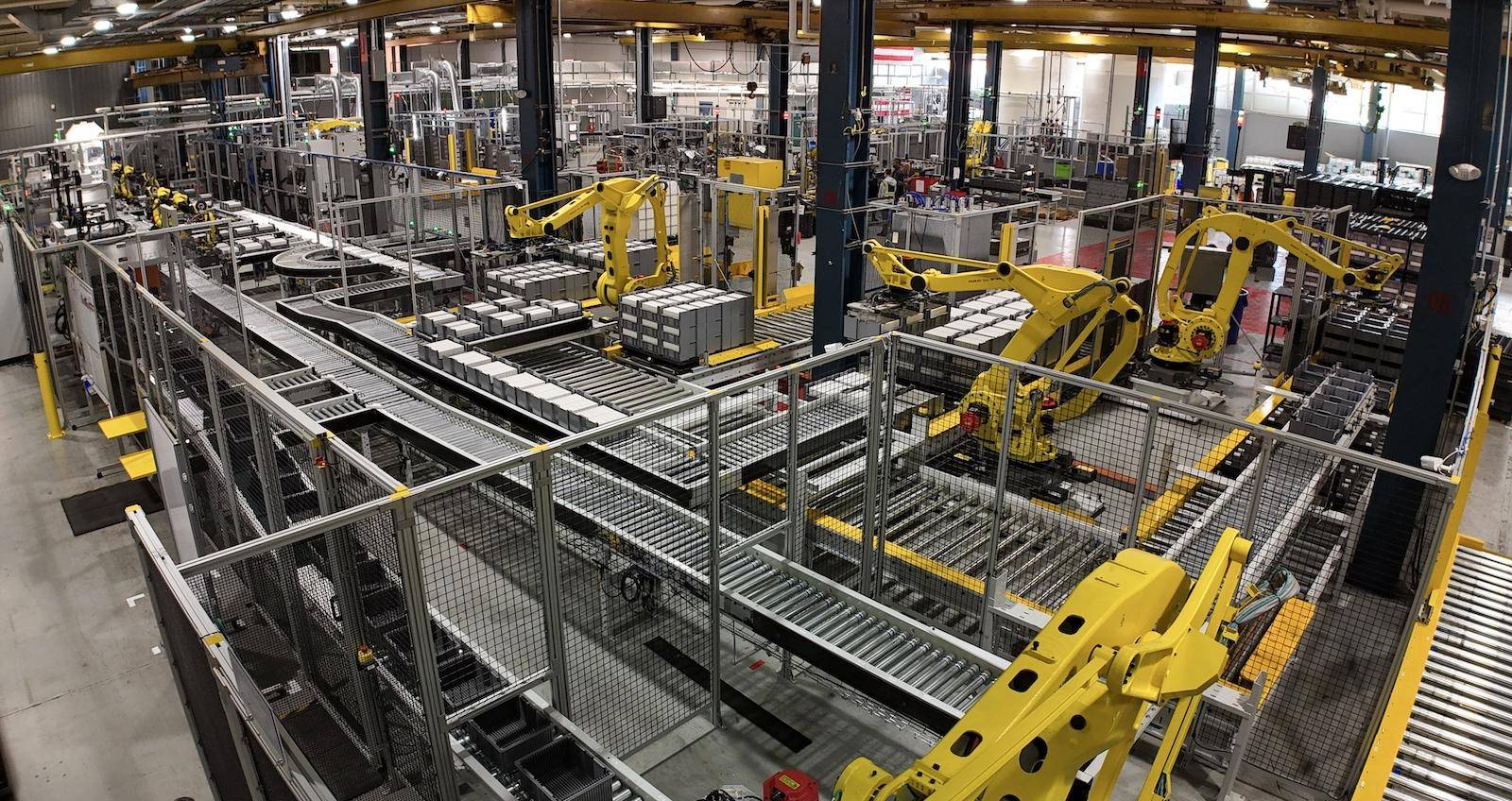
Beyond consumer dry cells, zinc chloride is being explored for large-scale energy storage solutions due to its stability and cost-effectiveness.
Comparison of Dry Cell Battery Types
| Feature | Standard Carbon-Zinc | Heavy-Duty Zinc Chloride |
| Primary Electrolyte | Ammonium Chloride | Zinc Chloride (ZnCl₂) |
| Energy Capacity | Moderate | High (Heavy-Duty) |
| Shelf Life | 2-3 Years | 3-5 Years |
| Best Use Case | Clocks, Remotes | Flashlights, Motorized Toys |
When choosing an industrial zinc chloride supplier.
Contact our team today for a quotation, sample, and supplier verification checklist.
WhatsApp Us for Free a Consultation
Technical Requirements for Battery-Grade Zinc Chloride
Not all zinc chloride is created equal. For battery manufacturing, the chemical must meet “battery-grade” standards, which require extremely low levels of metallic impurities like iron, copper, and lead.
Purity and Performance
Even trace amounts of impurities can cause “self-discharge,” where the battery loses power while sitting on the shelf. High-purity Zinc Chloride for Batteries ensures that the chemical reaction only occurs when the device is turned on, maximizing shelf life and reliability.
Managing Moisture Content
Zinc chloride is highly hygroscopic, meaning it absorbs moisture from the air. Manufacturers must handle the crystalline form in climate-controlled environments to ensure the final electrolyte paste has the precise water-to-salt ratio required for optimal ion flow.
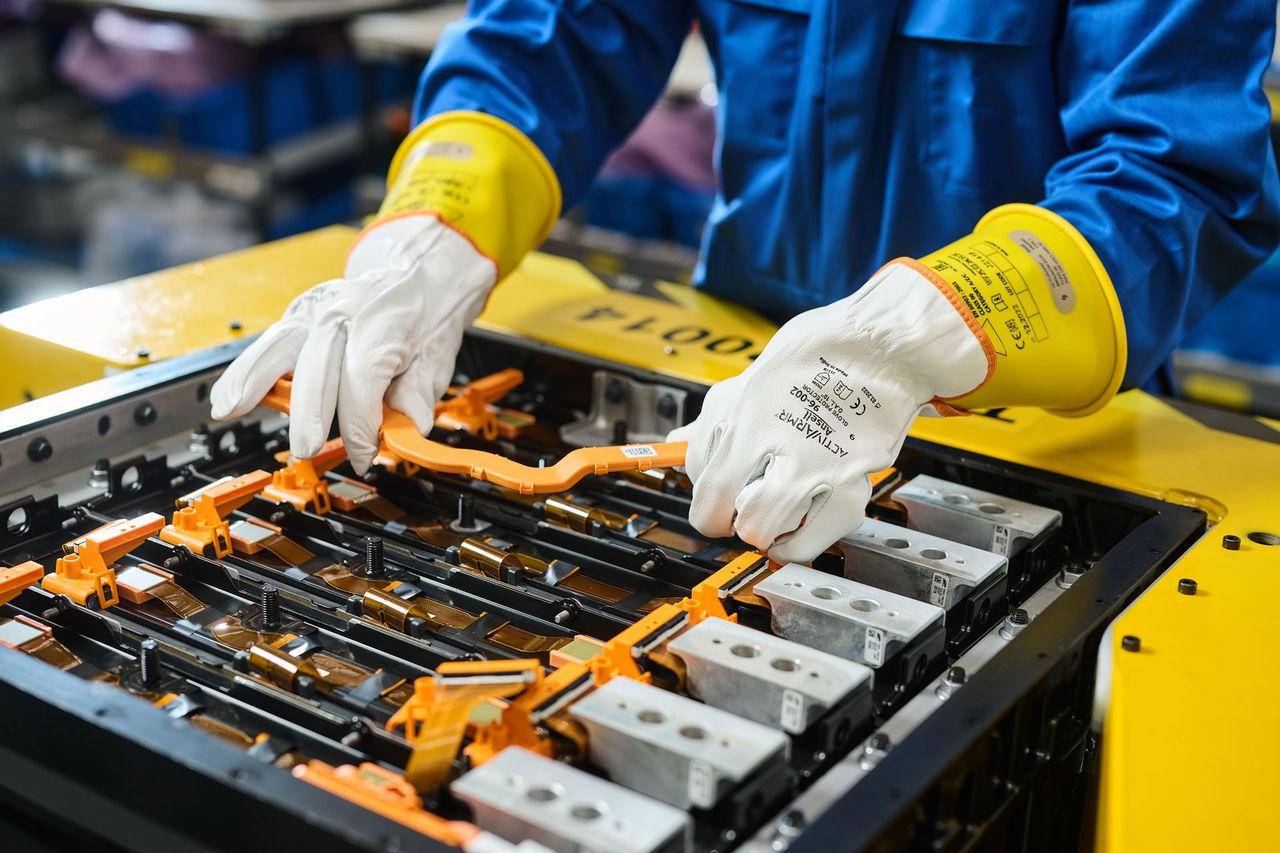
Rigorous quality control at every stage of the manufacturing process ensures that the zinc chloride electrolyte performs safely and efficiently.
Global Supply Chain: Sourcing Quality Materials
The global battery industry relies on a steady supply of high-quality chemicals. Sourcing from established zinc chloride manufacturers by country is vital for maintaining production consistency and meeting international safety standards.
Leading Global Producers
- China: The undisputed leader in both zinc chloride production and battery assembly, offering integrated supply chains for global brands.
- India: A major exporter of battery-grade chemicals, supporting the growing demand for portable power in the Asia-Pacific region.
- United States: Focuses on high-purity specialized grades and innovative battery chemistries for aerospace and defense.
The Future of Zinc-Based Energy Storage
As the world moves toward more sustainable energy, zinc-based chemistries are seeing a resurgence. From traditional dry cells to advanced zinc-air and zinc-ion batteries, the role of Zinc Chloride for Batteries continues to evolve.
Sustainability and Recycling
Zinc is more abundant and easier to recycle than lithium or cobalt. This makes zinc chloride batteries an environmentally attractive option for many applications, especially as global recycling infrastructure for “heavy-duty” cells continues to improve.
Zinc Chloride in Industrial Applications: See it in Action!
Want to see how zinc chloride is used in a real industrial setting? Check out this short video. It demonstrates its crucial role in the metal treatment process.
Frequently Asked Questions
Q: Are zinc chloride batteries the same as alkaline?
A: No. While both are superior to standard carbon-zinc, alkaline batteries use a different electrolyte (potassium hydroxide) and generally offer even higher energy density for high-drain devices.
Q: Can I recharge a zinc chloride battery?
A: No, these are primary (single-use) batteries. Attempting to recharge them can cause the cell to leak or rupture.
Q: Why are they called “Heavy Duty”?
A: The term refers to their ability to handle higher current loads and last longer than standard cells, thanks to the concentrated zinc chloride electrolyte.
Conclusion: Powering the Modern World
The humble “heavy-duty” battery owes its performance to the chemical properties of zinc chloride. By providing a stable, high-conductivity electrolyte, this compound ensures that our essential devices remain powered when we need them most.
Whether you are a manufacturer sourcing bulk chemicals or a consumer looking for reliable power, understanding the impact of Zinc Chloride for Batteries highlights the importance of chemical purity in our everyday technology.
Industrial Buyers: Next Steps for Sourcing Bulk Zinc Chloride
Why Buyers Choose Us During Volatile Zinc Chloride Price Trends:
✅ Compliant with EU, UN, ISO Standards – No Legal Headaches
✅ Guaranteed Purity – Stability for your Processing Plant
✅ Batch-Specific COA Provided – Full Transparency per Shipment.
Download Our EU-approved FREE COA & Specifications.[Specifications Page]