



In the competitive world of metal finishing, achieving a perfect balance between aesthetic appeal and long-lasting protection is paramount. Zinc chloride has emerged as a vital component in modern electroplating, particularly within acid-based plating baths. This versatile compound not only provides the essential zinc ions for the coating but also significantly improves the overall efficiency of the plating process.
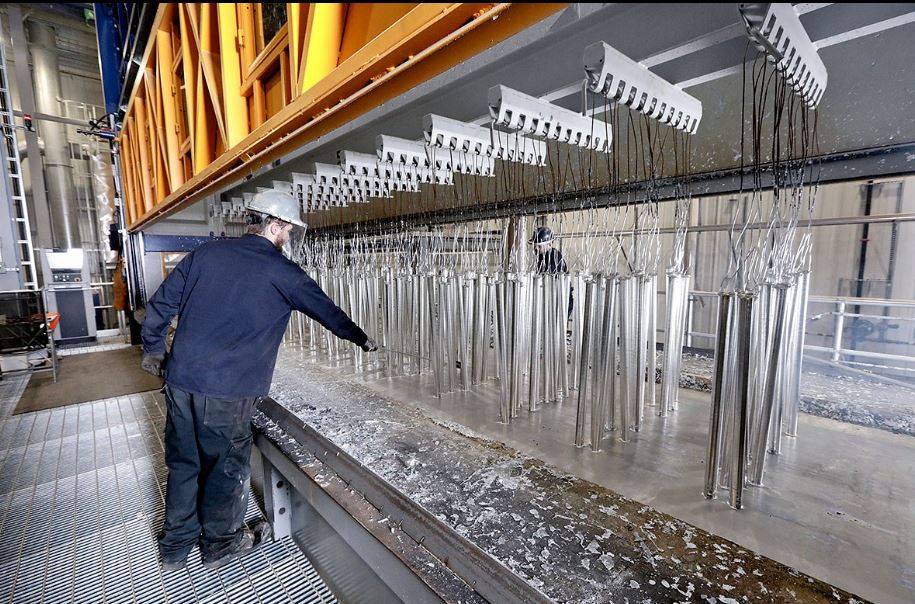
Zinc chloride-based electroplating bath coats metal parts with a protective and shiny zinc layer
Understanding the technical nuances of using Zinc Chloride for Electroplating allows manufacturers to produce high-quality finishes that meet the rigorous demands of the automotive, construction, and electronics industries.
The Role of Zinc Chloride in Acid Zinc Plating
Acid zinc plating is a popular alternative to cyanide-based methods, offering higher efficiency and a brighter finish. In this process, zinc chloride serves as the primary source of zinc metal, which is deposited onto the substrate to create a protective layer.
Why Choose Acid Zinc Baths?
Unlike alkaline systems, acid zinc baths utilizing zinc chloride provide excellent “throwing power,” allowing the plating to reach deep into complex geometries. This makes it ideal for intricate parts that require uniform coverage and a brilliant, mirror-like shine.
“The transition to acid zinc plating has revolutionized the industry by offering a more environmentally friendly process without compromising on the decorative quality of the final product.”
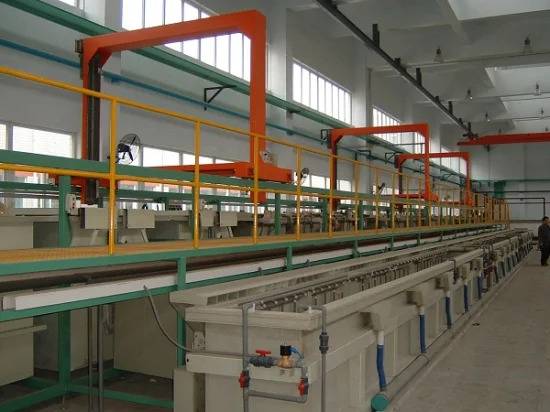
Modern electroplating facilities utilize automated lines to maintain precise control over the zinc chloride concentration and bath temperature.
Key Benefits of Using Zinc Chloride for Electroplating
The integration of zinc chloride into plating baths offers several distinct advantages that directly impact the quality and cost-effectiveness of the metal finishing process.
1. Superior Conductivity and Efficiency
Zinc chloride, often paired with potassium chloride, enhances the electrical conductivity of the plating bath. This allows for faster deposition rates and lower energy consumption, making the entire operation more sustainable and profitable.
2. Exceptional Brightness and Leveling
When combined with organic brighteners, zinc chloride helps produce a smooth, leveled surface. This is particularly important for decorative applications where a high-gloss finish is required to enhance the visual appeal of the metal parts.
3. Enhanced Corrosion Resistance
The zinc coating produced from a chloride-based bath is dense and uniform. This provides a robust barrier against environmental factors, significantly extending the service life of the plated components.
Comparison of Plating Bath Components
| Component | Typical Concentration | Primary Function |
| Zinc Chloride (ZnCl₂) | 60 – 120 g/L | Primary source of zinc ions |
| Potassium Chloride (KCl) | 180 – 250 g/L | Enhances bath conductivity |
| Boric Acid (H₃BO₃) | 25 – 30 g/L | Acts as a pH buffer |
| Brighteners | As required | Improves surface shine and leveling |
Technical Specifications and Bath Control
Maintaining the stability of the electroplating bath is crucial for consistent results. Manufacturers must monitor several key parameters to ensure the Zinc Chloride for Electroplating performs optimally.
pH and Temperature Management
The pH of an acid zinc bath typically ranges between 4.5 and 6.0. Regular adjustments using hydrochloric acid or potassium hydroxide are necessary to prevent the precipitation of zinc salts. Additionally, maintaining a temperature between 20°C and 35°C ensures the best balance between plating speed and brightness.
Filtration and Purification
Continuous filtration is essential to remove any suspended solids or metallic impurities that could cause defects in the coating. Periodic purification using zinc dust can also help eliminate contaminants like copper or lead, which may affect the adhesion and appearance of the zinc layer.

Rigorous manual and laboratory inspections are vital to ensure that the electroplating process meets the required industrial standards.
When choosing an industrial zinc chloride supplier.
Contact our team today for a quotation, sample, and supplier verification checklist.
WhatsApp Us for Free a Consultation
Global Sourcing: Finding the Right Manufacturers
The quality of your electroplating process starts with the quality of your raw materials. Sourcing from reputable zinc chloride manufacturers by country ensures that you receive high-purity chemicals that won’t introduce unwanted contaminants into your plating baths.
Leading Production Hubs
- China: A dominant force in the global market, providing a wide range of grades suitable for both industrial and high-end electroplating.
- India: Known for its rapidly expanding chemical sector and commitment to international quality standards.
- Germany: Offers high-purity zinc chloride solutions that are preferred for specialized applications requiring extreme precision.
Optimizing the Electroplating Workflow
To achieve the best results with Zinc Chloride for Electroplating, manufacturers should follow a structured workflow that emphasizes pre-treatment and post-treatment.
Critical Pre-Treatment Steps
- Degreasing: Removing all oils and lubricants to ensure perfect adhesion.
- Pickling: Using acid to strip away rust and scale from the metal surface.
- Activation: A final mild acid dip to prepare the surface for the zinc ions.
Post-Plating Enhancements
After the zinc layer is deposited, passivation (often using trivalent chromium) is applied to further enhance corrosion resistance and provide a specific color, such as blue, yellow, or black.
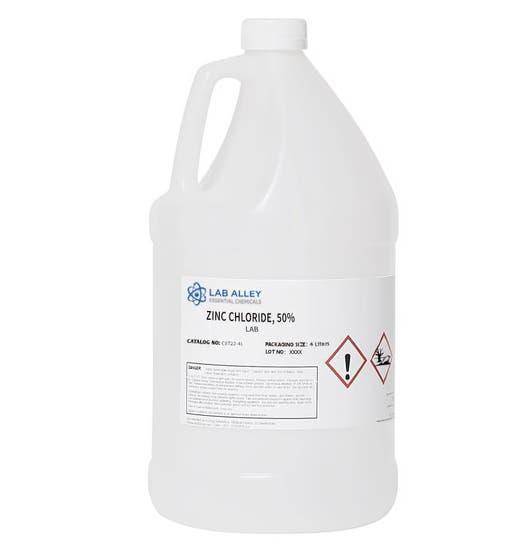
Pre-mixed zinc chloride solutions offer ease of handling and precise dosing for maintaining electroplating bath concentrations.
Zinc Chloride in Industrial Applications: See it in Action!
Want to see how zinc chloride is used in a real industrial setting? Check out this short video. It demonstrates its crucial role in the metal treatment process.
Frequently Asked Questions
Q: Is acid zinc plating better than cyanide plating?
A: Acid zinc plating is generally preferred for its higher efficiency, brighter finish, and lower environmental impact, although cyanide plating still has niche applications for certain complex shapes.
Q: How often should I analyze my plating bath?
A: For high-volume operations, daily analysis of zinc and chloride levels is recommended, along with weekly Hull cell tests to monitor the performance of brighteners and additives.
Q: Can I use industrial-grade zinc chloride for electroplating?
A: While industrial grade is common, using a higher purity “plating grade” is often recommended to minimize the risk of introducing metallic impurities that can cause plating defects.
Conclusion: The Future of Zinc Electroplating
As industries continue to demand more durable and aesthetically pleasing metal products, the role of Zinc Chloride for Electroplating will only grow in importance. By mastering the chemistry of acid zinc baths and sourcing high-quality materials, manufacturers can stay ahead of the curve and deliver superior value to their customers.
Whether you are plating small fasteners or large automotive components, the right combination of zinc chloride, additives, and process control is the key to success in the modern metal finishing landscape.
Industrial Buyers: Next Steps for Sourcing Bulk Zinc Chloride
Why Buyers Choose Us During Volatile Zinc Chloride Price Trends:
✅ Compliant with EU, UN, ISO Standards – No Legal Headaches
✅ Guaranteed Purity – Stability for your Processing Plant
✅ Batch-Specific COA Provided – Full Transparency per Shipment.
Download Our EU-approved FREE COA & Specifications.[Specifications Page]