


South Africa represents one of the most sophisticated industrial landscapes on the African continent, serving as a hub for mining, manufacturing, and chemical processing. The usage of zinc chloride in South Africa is a critical component of this industrial engine, providing essential chemical properties for sectors that drive the national economy.
As an inorganic salt with the formula ZnCl₂, zinc chloride is valued for its role as a powerful dehydrating agent, catalyst, and metallurgical flux. In South Africa, its application spans from the deep-level mines of the Witwatersrand to the high-tech textile mills in the Western Cape, highlighting its versatility and industrial importance.
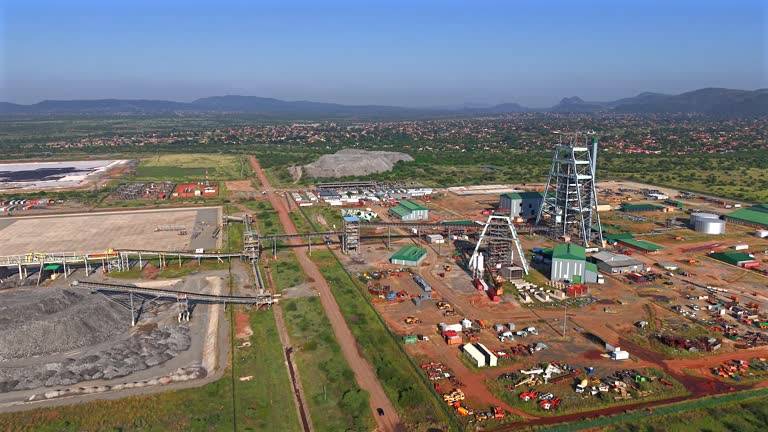
South Africa’s robust mining sector is a major consumer of industrial chemicals, including high-purity zinc chloride solutions.
The Industrial Landscape of Zinc Chloride in South Africa
The South African market for industrial chemicals is characterized by a high demand for quality and consistency. To meet these needs, businesses rely on a trusted industrial zinc chloride supplier network that can provide various grades, including technical, battery, and high-purity chemical grades.
Zinc chloride’s ability to facilitate complex chemical reactions and protect metals from the harsh southern African climate makes it an indispensable asset. As the country continues to invest in infrastructure and energy projects, the strategic importance of ZnCl₂ only continues to grow.
Key Industrial Drivers in 2026
- Infrastructure Maintenance: Protecting South Africa’s bridges, railways, and coastal structures through advanced galvanizing processes.
- Energy Storage: The rise of renewable energy projects has increased the demand for battery-grade zinc chloride for electrolyte production.
- Chemical Synthesis: Serving as a catalyst in the production of resins and specialized organic compounds for the domestic market.

Rigorous quality control ensures that zinc chloride imports meet the strict technical specifications required for South African industry.
1. Hot-Dip Galvanizing: Protecting National Infrastructure
One of the primary areas of zinc chloride usage in South Africa is in the hot-dip galvanizing industry. South Africa’s hot-dip galvanizing industry is governed by SANS 121:2011, which aligns with ISO 1461 requirements for galvanized steel coatings.
The fluxing stage is essential for removing any remaining oxides from the steel surface before it is dipped into the molten zinc bath. This ensures a metallurgically bonded coating that can protect steel for decades, even in highly corrosive coastal environments like Durban or Cape Town.
The Role of Fluxing in Metal Treatment
- Surface Preparation: Removes oxides and prevents further oxidation before the zinc dip.
- Wetting Agent: Improves the “wetting” of the steel by the molten zinc, ensuring a uniform and continuous coating.
- Impurity Removal: Helps to clear away any residual salts or contaminants from the pickling stage.

The fluxing bath is a critical step in the galvanizing process, ensuring the long-term durability of South African steel products.
2. Textile Industry: Mordants and Dyeing Processes
South Africa’s textile industry, particularly in regions like KwaZulu-Natal and the Western Cape, utilizes zinc chloride as a mordant in the dyeing and printing of fabrics. A mordant is a substance used to set dyes on fabrics by forming a coordination complex with the dye, which then attaches to the fabric.
Zinc chloride is particularly effective in ensuring vibrant, long-lasting colors that are resistant to fading. This is vital for the production of high-quality apparel and industrial textiles that must withstand the intense South African sun.
Applications in Textile Manufacturing
| Process | Benefit of Zinc Chloride | Result |
| Mordanting | Fixes dyes to natural and synthetic fibers | Enhanced color fastness |
| Printing | Acts as a catalyst in certain pigment prints | Sharper patterns and designs |
| Finishing | Improves the texture and durability of fabrics | High-quality end products |
By sourcing from a reliable industrial zinc chloride supplier, South African textile manufacturers can ensure their products meet international quality and safety standards.

Industrial-scale galvanizing provides essential corrosion protection for South Africa’s mining and construction sectors.
3. Mining and Metallurgical Applications
South Africa is a global leader in the production of platinum group metals (PGMs), gold, and chrome. In these sectors, zinc chloride finds specialized applications in ore processing and metal refining. It is used as a reagent in the separation of certain minerals and in the purification of metal solutions.
Furthermore, zinc chloride is used in the manufacturing of specialized resins and adhesives used in mine support structures. Its ability to act as a fire retardant is also valued in underground mining environments where safety is the highest priority.
Mining Sector Applications
- Mine Water Treatment: Used in certain industrial water-treatment processes to remove impurities and adjust chemical balance.
- Specialty Metallurgy: Applied in limited refining and metal-treatment operations where chloride-based fluxes or catalysts are required.
- Timber Support Preservation: Historically used to protect wooden supports in older underground shafts against decay and fire.

The vast scale of South African mining operations requires a consistent and high-volume supply of industrial chemicals.
Need help sourcing bulk zinc chloride in 2026?
Contact our team today for a quotation, free sample, and zinc chloride specification guide.
WhatsApp Us for Free a Consultation
Typical Zinc Chloride Specifications for South African Buyers
| Property | Typical Industrial Value |
| Chemical Formula | ZnCl₂ |
| CAS Number | 7646-85-7 |
| Purity | 95–99% |
| Appearance | White crystalline powder |
| Melting Point | 290–293°C |
| UN Number | UN 2331 |
| Hazard Class | Class 8 Corrosive |
| Packing Group | Group III |
Safety, Health, and Environmental (SHE) Compliance
The zinc chloride manufacturers by country must comply with South African regulations such as the Occupational Health and Safety Act (OHSA) and the National Environmental Management Act (NEMA). Zinc chloride is classified as a hazardous substance, requiring careful management.
Compliance and Safety Standards
- GHS Labeling: All containers must be clearly labeled according to the Globally Harmonized System (GHS).
- Spill Management: Facilities must have specialized kits and protocols to manage any accidental release of ZnCl₂.
- PPE Requirements: Workers must be equipped with chemical-resistant overalls, gloves, and respiratory protection when handling concentrated solutions.

Continuous laboratory testing is essential to maintain the high standards required by South African industrial partners.
Zinc Chloride in Industrial Applications: See it in Action!
Want to see how zinc chloride is used in a real industrial setting? Check out this short video. It demonstrates its crucial role in the metal treatment process.
Frequently Asked Questions (FAQs)
Q1: Is zinc chloride produced locally in South Africa?
A1: While South Africa has a strong chemical industry, a significant portion of high-purity and specialized zinc chloride is imported from global manufacturing hubs like China and India to meet the specific needs of the local market.
Q2: Why is zinc chloride preferred in South African galvanizing?
A2: It is preferred due to its excellent fluxing properties, which are essential for achieving the high-quality galvanized coatings required by South African national standards (SANS 121).
Q3: How is zinc chloride transported within South Africa?
A3: As a Class 8 corrosive substance, it is transported in specialized UN-certified containers by road and rail, following the strict regulations for the transport of dangerous goods.
Q4: Can zinc chloride be used in water treatment in South Africa?
A4: Yes, it is used in certain industrial water treatment processes as a coagulant and to help remove impurities from wastewater before it is discharged or reused.
Q5: What are the environmental impacts of zinc chloride?
A5: Zinc chloride is toxic to aquatic life. In South Africa, strict environmental laws ensure that industrial users have proper waste management systems to prevent any environmental contamination.
Conclusion: Driving South African Industrial Excellence
The usage of zinc chloride in South Africa is a testament to the compound’s versatility and its critical role in modern industry. From the infrastructure that connects the nation to the textiles that clothe its people, ZnCl₂ is a silent but powerful partner in South Africa’s progress.
By partnering with a globally recognized industrial zinc chloride supplier, South African businesses can ensure they have the high-quality chemical inputs needed to thrive in an increasingly competitive global market. As the nation looks toward 2027, the role of zinc chloride in driving industrial excellence will only continue to expand.
Industrial Buyers: Next Steps for Sourcing Bulk Zinc Chloride
Why South Africa Buyers Choose Us as Their Zinc Chloride Supplier:
✅ Compliant with EU, UN, ISO Standards – No Legal Headaches
✅ Guaranteed Purity – Stability for your Processing Plant
✅ Batch-Specific COA Provided – Full Transparency per Shipment.
Download Our EU-approved FREE COA & Specifications.[Specifications Page]