



Zinc chloride plays a pivotal role in countless manufacturing processes, often behind the scenes. This versatile compound is far more than just a laboratory reagent. It’s a cornerstone in sectors ranging from advanced electronics to everyday construction materials. Understanding the main zinc chloride applications is crucial for manufacturers and procurement managers.
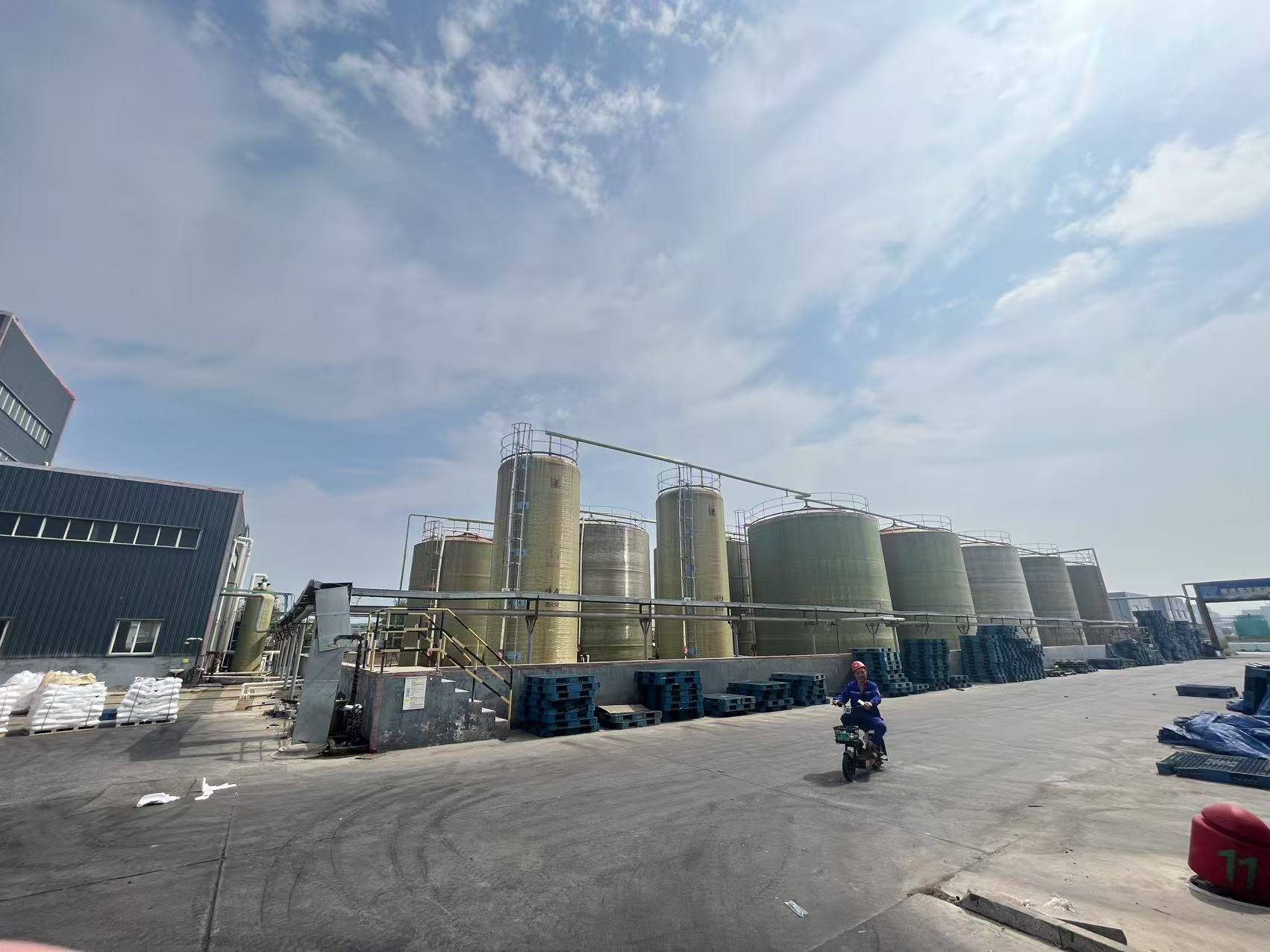
State-of-the-art zinc chloride production facility with large storage tanks and daily operations.
In this comprehensive guide, we will delve into the top 5 industrial applications of zinc chloride. We’ll explore how this powerful chemical contributes to innovation and efficiency across various sectors. Knowing these applications offers a clear picture of zinc chloride’s widespread importance. Whether you’re a chemist, an engineer, or a business owner, this guide will illuminate its diverse uses.
What is Zinc Chloride? A Versatile Chemical Compound
So, what exactly is zinc chloride? It’s an inorganic chemical compound with the formula ZnCl₂. It’s highly soluble in water and known for its unique chemical properties.
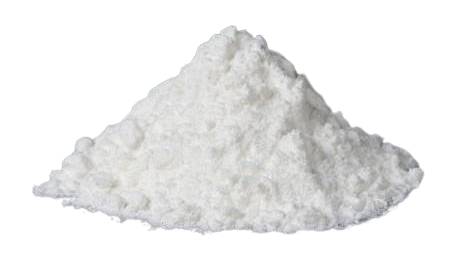
High-purity zinc chloride in powder form, ready for industrial applications.
Think of it as a chemical chameleon, adapting to various roles. From acting as a strong Lewis acid to serving as a dehydrating agent, its versatility is unmatched. This makes it invaluable across industries. The global demand for zinc chloride continues to grow steadily. This is largely thanks to its expanding applications in new technologies and traditional manufacturing. Its market presence is robust.
Top 5 Industrial Applications of Zinc Chloride
Let’s explore the primary ways zinc chloride is utilized in industrial settings. These applications showcase its unique properties and indispensable role in modern manufacturing.
1. Textile Processing: Enhancing Fabric Quality
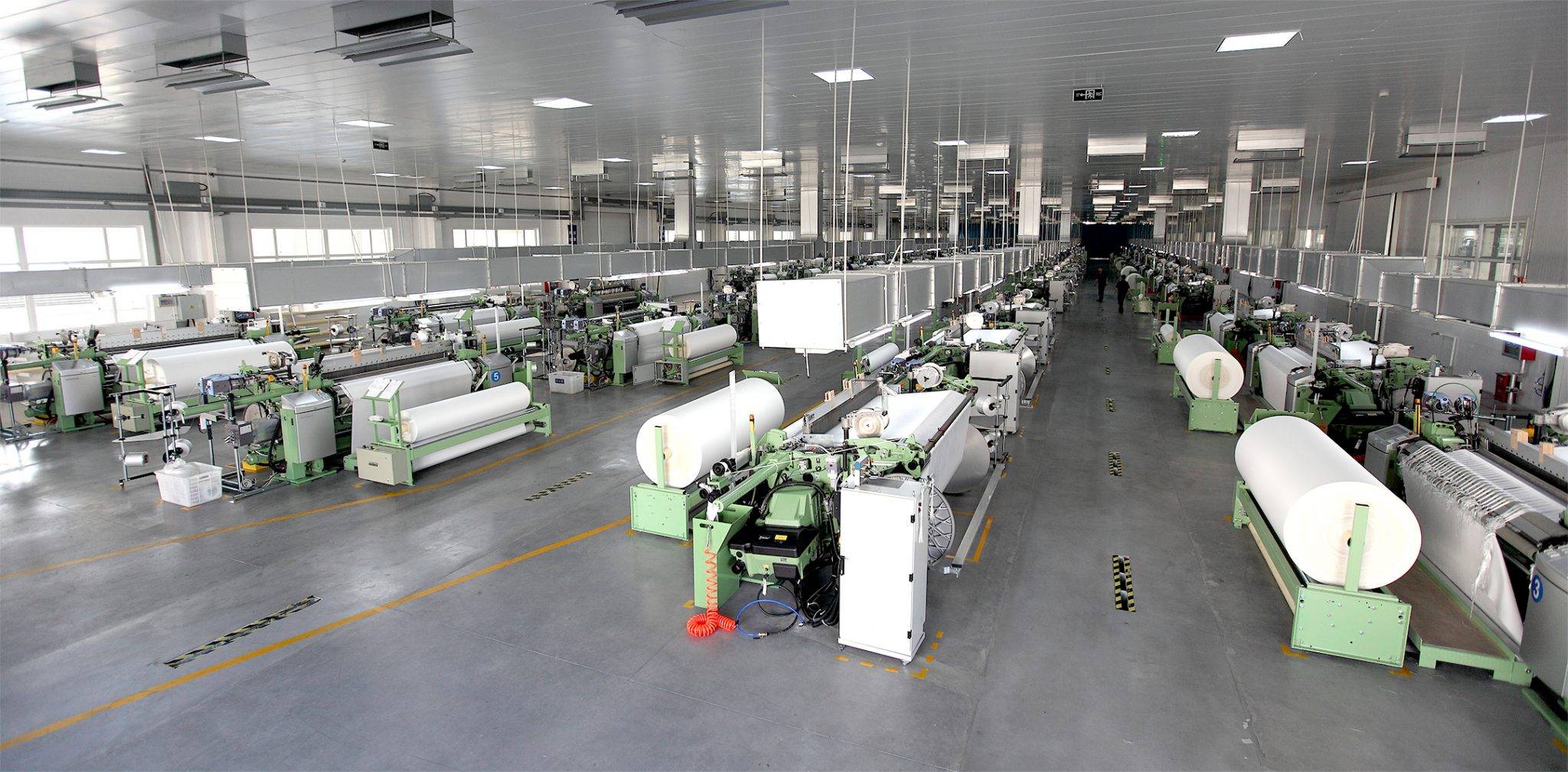
Advanced textile manufacturing facility where zinc chloride is used as a mordant and fire retardant.
In the textile industry, zinc chloride is a crucial component. It acts as a powerful mordant, helping dyes bind effectively to fabrics. This ensures vibrant, long-lasting colors.
It also functions as a weighting agent for silk and a fireproofing agent for various textiles. This enhances both the aesthetic and safety properties of fabrics.
- Dyeing Aid: Improves color fastness and brilliance.
- Weighting Agent: Adds body and drape to fabrics like silk.
- Fire Retardant: Increases resistance to ignition in textiles.
2. Metallurgical Flux: Precision in Metalworking
Zinc chloride is widely used as a flux in metallurgy. It plays a vital role in soldering, galvanizing, and other metal treatment processes. Its primary function is to clean metal surfaces.
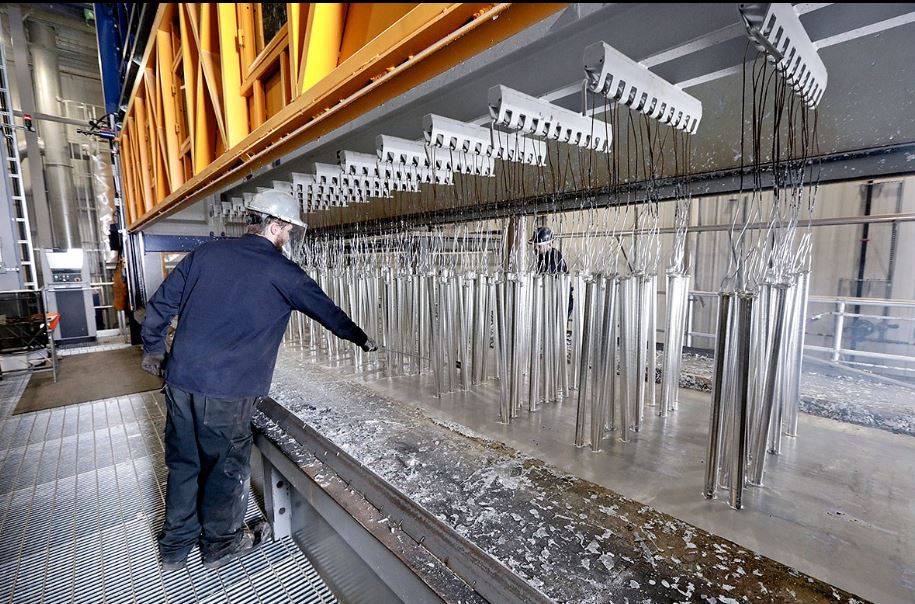
Metallurgical flux application in galvanizing – zinc chloride cleans surfaces for strong zinc coating.
It effectively removes oxide layers and other impurities. This allows molten solder or zinc to bond more effectively with the base metal. The result is stronger, more reliable joints and coatings.
- Soldering: Facilitates the flow of solder by cleaning surfaces.
- Galvanizing: Prepares steel surfaces for zinc coating, preventing corrosion.
- Metal Cleaning: Removes oxides, ensuring optimal adhesion.
3. Battery Manufacturing: Powering Portable Devices
Electrolyte used primarily in zinc-carbon and heavy-duty dry cell batteries. It facilitates the electrochemical reactions that generate electricity.
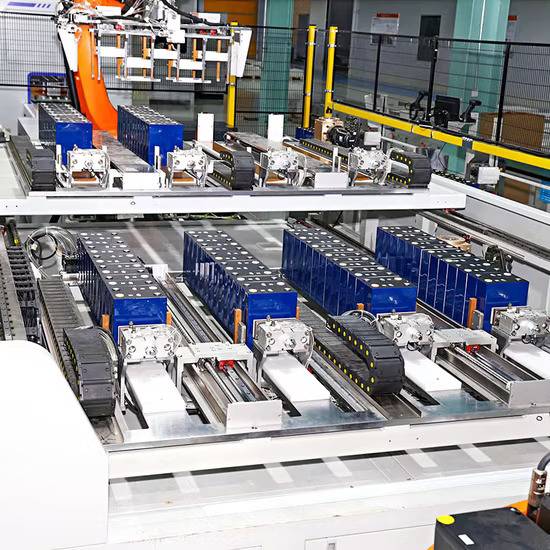
Its role ensures the efficient operation and longevity of these power sources. This makes it indispensable for countless portable electronic devices we use daily.
- Electrolyte: Enables ion flow for power generation.
- Stability: Contributes to the consistent performance of batteries.
- Cost-Effective: A practical choice for mass-produced batteries.
4. Chemical Synthesis: A Versatile Catalyst
In organic chemistry, zinc chloride serves as a highly effective Lewis acid catalyst. It promotes a wide array of reactions, including Friedel-Crafts alkylation and acylation.

It’s also used in the synthesis of various organic compounds, such as resins, dyes, and pharmaceuticals. Its catalytic properties make it a cornerstone in chemical manufacturing.
- Catalysis: Accelerates and directs organic reactions.
- Dehydrating Agent: Removes water in specific chemical processes.
- Versatility: Applicable in synthesizing diverse organic compounds.
5. Wood Preservation: Protecting Timber Assets
Zinc chloride is an effective wood preservative. Protects timber from fungal decay and insect attack; It may also be used in fire-retardant formulations when combined with other chemicals.
Comparison of Industrial Applications
To give you a clearer perspective, here’s a table summarizing the key applications and their primary benefits:
| Application | Primary Function | Key Benefit |
| Textile Processing | Mordant & Fire Retardant | Vibrant Colors & Safety |
| Metallurgical Flux | Surface Cleaning Agent | Stronger Bonds & Coatings |
| Battery Manufacturing | Electrolyte Component | Reliable Portable Power |
| Chemical Synthesis | Lewis Acid Catalyst | Efficient Organic Reactions |
| Wood Preservation | Preservative & Fire Retardant | Durability & Safety |
Ready to Source Bulk Zinc Chloride for Your Application?
WhatsApp Us for Free a Consultation
The Journey of Quality Zinc Chloride: From Production to Application
Producing high-quality zinc chloride isn’t a simple task. It requires precision, advanced technology, and state-of-the-art facilities. Our manufacturing process adheres to strict international standards.
This ensures that every batch meets the exact needs of our global partners. We take immense pride in delivering consistent quality. This applies whether for large-scale industrial use or highly specialized laboratory applications.
Why Purity is Paramount in Applications
When it comes to industrial chemicals like zinc chloride, purity is critical. It directly impacts performance and safety in every application. Here’s why it’s so important:
- Optimal Performance: High-purity zinc chloride ensures chemical reactions proceed as intended. No unwanted interference from impurities means predictable and efficient processes.
- Reduced Waste: Quality chemicals lead to more efficient processes. This means less byproduct waste, which is good for both the environment and your bottom line.
- Safety First: Pure compounds are more predictable and safer to handle. This reduces risks for your workforce and your operations.
Logistics and Packaging: Ensuring Safe Delivery for Applications
Transporting chemicals globally is complex. It demands careful planning and robust packaging. We use specialized containers and moisture-resistant bags.
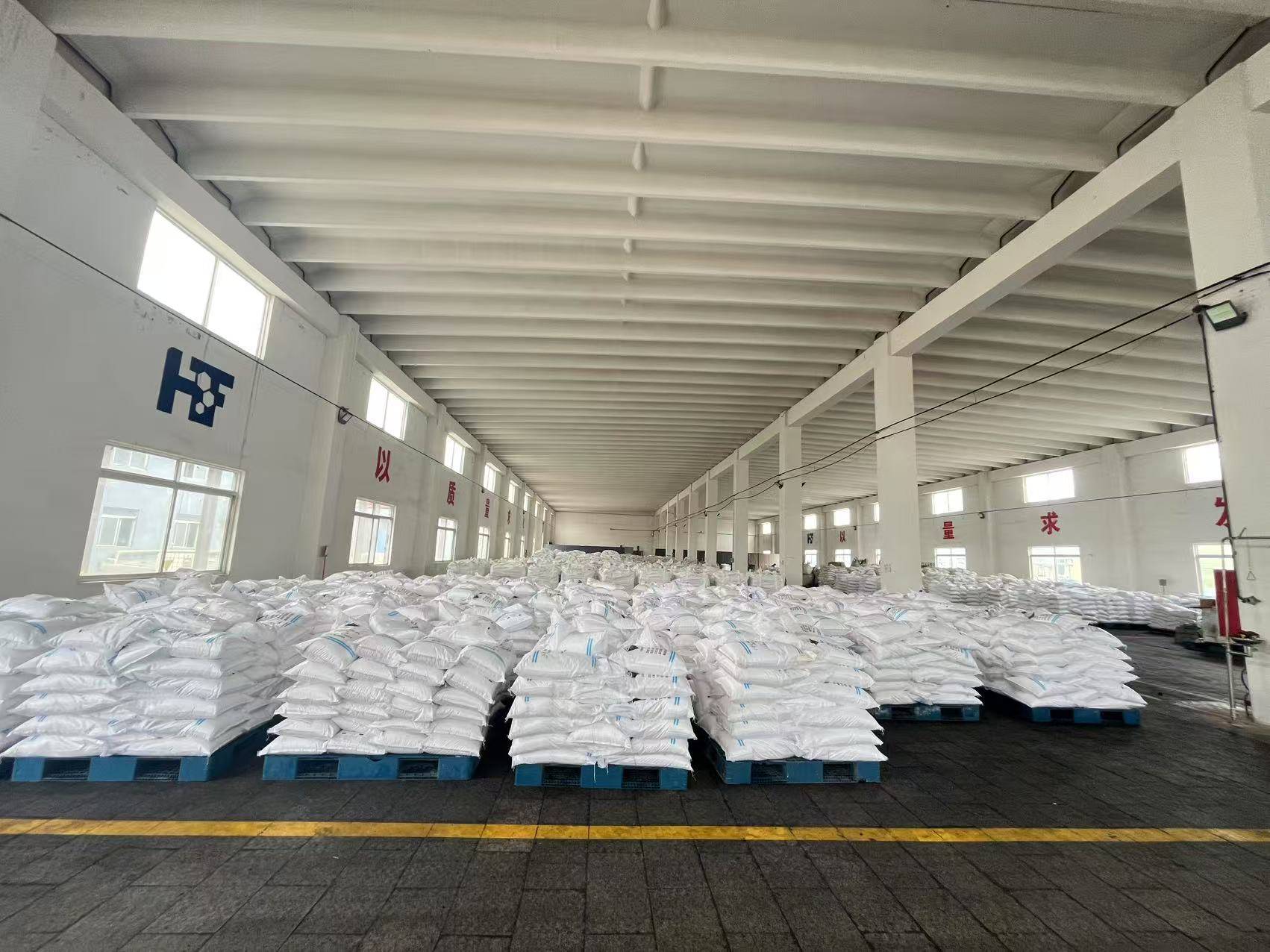
Organized storage of bulk zinc chloride bags ready for industrial distribution and use.
This ensures our products arrive in perfect condition, no matter the distance. Whether it’s a small shipment or a large industrial order, our logistics team manages every detail. This guarantees timely and safe delivery to our international clients.
Our Global Shipping Network
We’ve built a robust global shipping network. We partner with leading logistics providers. This allows us to reach every corner of the globe efficiently and reliably.
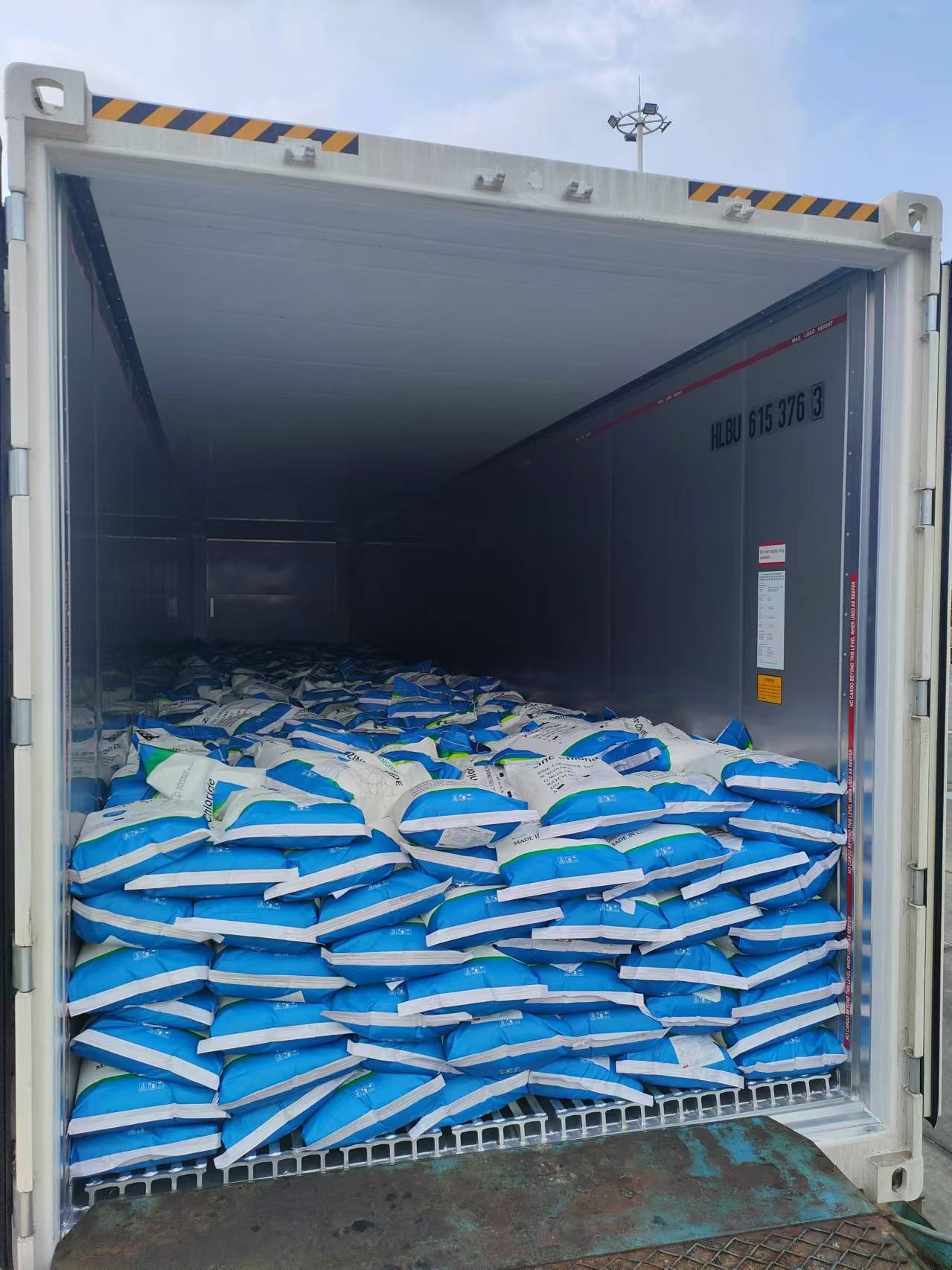
Prepared export shipment of high-quality zinc chloride bags securely loaded in container.
From the bustling ports of Vietnam to the industrial centers of India, our products are always on the move. They are ready to meet your demands.
Technical Properties of Zinc Chloride
For those who appreciate the specifics, here are some key technical properties of zinc chloride:
| Property | Value |
| Melting Point | ~290 °C |
| Density | ~2.9 g/cm³ |
| CAS Number | 7646-85-7 |
| Chemical Formula | ZnCl₂ |
Zinc Chloride in Industrial Applications: See it in Action!
Want to see how zinc chloride is used in a real industrial setting? Check out this short video. It demonstrates its crucial role in the metal treatment process.
Camachem Video: Overview of Key Zinc Chloride Applications and Our Production Method
Frequently Asked Questions (FAQs) About Zinc Chloride Applications
We understand you might have more questions about zinc chloride and its diverse uses. Here are some of the most common inquiries we receive, answered simply and directly:
Q1: What makes zinc chloride so versatile in industrial applications?
Zinc chloride’s versatility stems from its unique chemical properties. It acts as a strong Lewis acid, a dehydrating agent, and an effective flux. These properties allow it to facilitate various chemical reactions and processes.
Its ability to interact with different materials makes it indispensable across multiple industries, from textiles to metallurgy.
Q2: Is zinc chloride safe to use in all industrial applications?
When handled properly and used according to safety guidelines, zinc chloride is safe for industrial applications. However, like many industrial chemicals, it requires careful handling due to its corrosive nature.
Always refer to the Safety Data Sheet (SDS) and follow all recommended safety protocols for its specific application. Proper ventilation and personal protective equipment are essential.
Q3: How does zinc chloride contribute to environmental protection?
Zinc chloride contributes to environmental protection in several ways. As a wood preservative, it extends the life of timber, reducing the need for new logging. In metallurgy, its flux properties lead to more efficient processes.
Its role in battery manufacturing supports portable energy storage, but environmental impact depends on battery disposal and recycling practices.
Q4: Can zinc chloride be recycled or reused after industrial application?
The recyclability and reusability of zinc chloride depend heavily on the specific application and the purity levels required. In some closed-loop systems, it can be recovered and reused.
However, in many applications, it may be consumed or become contaminated, making direct reuse challenging. Proper disposal or treatment of waste containing zinc chloride is crucial.
Q5: Where can I find more detailed information on specific zinc chloride applications?
For more in-depth information on specific industrial applications of zinc chloride, you can visit our dedicated Zinc Chloride application page. This resource provides detailed insights into its use in various sectors.
Conclusion: Zinc Chloride – An Indispensable Industrial Partner
Zinc chloride is undeniably an indispensable chemical in modern industry. Its diverse applications, from enhancing textiles to protecting wood, underscore its critical role in global manufacturing. Understanding these applications is key to leveraging its full potential. It’s about making informed decisions for efficiency and innovation.
Industrial Buyers: Next Steps for Sourcing Bulk Zinc Chloride
What makes our Zinc Chloride Better:
✅ Compliant with EU, UN, ISO Standards – No Legal Headaches
✅ Guaranteed Purity – Stability for your Processing Plant
✅ Batch-Specific COA Provided – Full Transparency per Shipment.
Download Our EU-approved FREE COA & Specifications.[Specifications Page]